Introduction to Sustainable Home Exteriors
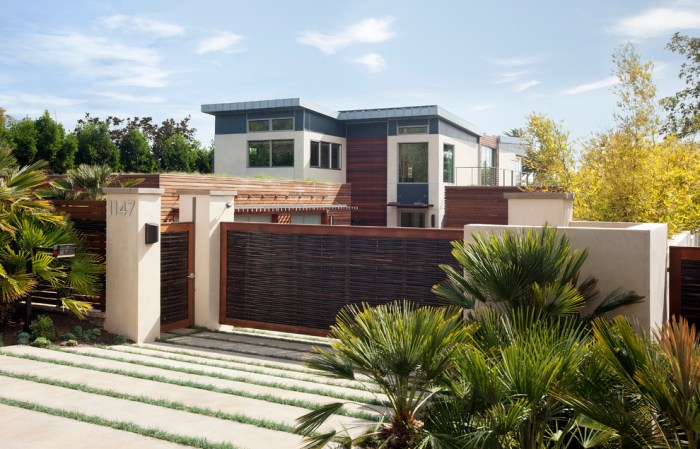
Source: hzcdn.com






Sustainable home exteriors encompass design and material choices that minimize environmental impact while maximizing energy efficiency and durability. The focus is on creating homes that not only look good but also contribute positively to the environment and reduce carbon footprints. This approach integrates eco-friendly materials, efficient building techniques, and thoughtful landscaping to foster a harmonious relationship between the home and its surroundings.The importance of sustainability in home design cannot be overstated.
With increasing concerns about climate change and resource depletion, sustainable practices in construction are crucial. According to the U.S. Green Building Council, buildings account for 40% of the nation’s energy consumption and 72% of electricity use. Traditional home exteriors often rely heavily on non-renewable resources, leading to significant waste and emissions. In contrast, sustainable options can reduce energy costs and improve indoor air quality, promoting a healthier living environment.
Environmental Impact of Traditional vs. Sustainable Home Exteriors
The environmental impacts of traditional home exteriors are often substantial, from the extraction of raw materials to the energy consumed during their lifespan. In contrast, sustainable home exteriors aim to lessen these impacts through conscious material selection and design strategies. The following points highlight the differences in environmental impact:
- Traditional materials such as vinyl and certain types of wood can contribute to deforestation and habitat destruction, while sustainable materials, like bamboo and reclaimed wood, promote resource conservation.
- Energy-efficient exteriors, such as those with proper insulation and reflective roofing, can reduce reliance on heating and cooling systems, leading to a significant decrease in energy consumption over time.
- Homes designed with sustainable landscaping practices, including native plants and permeable surfaces, help to manage stormwater effectively and preserve local ecosystems.
- Using low-VOC (volatile organic compounds) paints and finishes in sustainable homes improves indoor air quality compared to traditional alternatives that often release harmful chemicals.
- Life cycle assessments indicate that sustainable building materials not only reduce greenhouse gas emissions but also lower overall environmental impact when evaluated over their entire lifespan.
Building sustainably not only protects the environment but also enhances the livability and efficiency of homes, paving the way for a greener future.
The shift towards sustainable home exteriors reflects a growing recognition of the interconnectedness between human activity and environmental health. Embracing these practices is essential for fostering a sustainable future where homes contribute positively to the planet.
Materials for Sustainable Home Exteriors
When it comes to building sustainable homes, the choice of materials plays a crucial role in reducing environmental impact. Eco-friendly materials not only contribute to energy efficiency but also enhance the aesthetic and durability of your home. Selecting the right materials can significantly influence both the longevity of the structure and the maintenance required over time.A variety of eco-friendly materials are available for home exteriors, each with unique properties and advantages.
By comparing renewable materials, which are sourced from replenishable resources, with non-renewable materials, derived from finite resources, homeowners can make informed decisions. Renewable materials often provide better environmental benefits, while non-renewable options may offer certain advantages in durability and cost-effectiveness.
Eco-Friendly Materials
There are several materials that are both sustainable and suitable for home exteriors. Understanding these options helps in making choices that align with sustainable living goals. The following list showcases some prominent eco-friendly materials along with their key attributes:
- Recycled Steel: Extremely durable and resistant to rust, recycled steel can be used for roofing, siding, and framing. It saves energy and resources since it’s made from existing materials.
- Bamboo: Known for its rapid growth and strength, bamboo is an excellent alternative for siding and decking. It is lightweight and can be harvested sustainably.
- Reclaimed Wood: Sourced from old buildings or furniture, reclaimed wood adds character to home exteriors. It reduces waste and the need for new timber.
- Adobe and Rammed Earth: Natural materials that offer excellent thermal mass, keeping homes cool in summer and warm in winter. They are highly durable and energy-efficient.
- Fiber Cement: Made from a mixture of sand, cement, and cellulose fiber, fiber cement siding is resistant to termites and doesn’t require frequent repainting, making it low-maintenance.
Renewable vs. Non-Renewable Materials
Understanding the differences between renewable and non-renewable materials is essential for making sustainable choices. Renewable materials, such as bamboo and reclaimed wood, can be sourced repeatedly without depleting natural resources. Non-renewable materials, like concrete and certain metals, have a higher environmental cost due to the extraction and processing methods involved.The benefits of using renewable materials include:
- Lower Carbon Footprint: Renewable materials generally require less energy to produce and cause less environmental disturbance.
- Sustainability: They promote ecological balance, as they can be grown or sourced without exhausting resources.
On the other hand, non-renewable materials may offer benefits like:
- Durability: Materials like concrete can withstand harsh weather conditions, making them long-lasting.
- Initial Cost: Non-renewable options can sometimes be more economical upfront, though they may incur higher maintenance costs over time.
Durability and Maintenance of Sustainable Materials
The durability and maintenance needs of sustainable materials can vary significantly. Choosing materials that require minimal upkeep is essential for long-term sustainability.Durability is a critical factor that influences the longevity and maintenance requirements of exterior materials. For example:
- Recycled Steel: Offers a lifespan of up to 50 years with little maintenance, resisting warping, rotting, and insect damage.
- Fiber Cement: Lasts over 25 years and requires only periodic cleaning, making it highly low-maintenance.
- Reclaimed Wood: While it can be treated for longevity, it may require periodic sealing and maintenance to prevent decay.
Understanding the properties of these materials enables homeowners to choose effective solutions that contribute positively to the environment while also meeting their aesthetic and durability needs.
Design Principles for Sustainable Homes: Sustainable Home Exterior
The design of a sustainable home exterior goes beyond aesthetics; it embodies a commitment to the environment and a desire for efficiency. By adhering to key design principles, homeowners can create spaces that minimize energy consumption, utilize natural resources, and promote overall well-being. Understanding these principles is essential for anyone looking to build or remodel with sustainability in mind.
Key Design Principles Enhancing Sustainability
Incorporating sustainable design principles into home exteriors requires careful planning and creativity. These principles focus on energy efficiency, resource conservation, and the integration of natural surroundings. Essential principles include:
- Orientation: Positioning the home to maximize natural light and ventilation can significantly reduce heating and cooling costs. For example, in northern climates, larger windows facing south can capture solar gain during winter months.
- Form and Function: Designing a compact shape minimizes the surface area exposed to the elements, reducing energy loss. Simple geometric shapes often yield the most efficient designs.
- Material Selection: Utilizing sustainable materials like reclaimed wood, bamboo, or recycled steel not only reduces the carbon footprint but also contributes to a unique aesthetic.
Energy-Efficient Designs
Creating energy-efficient designs involves strategic choices in both architectural features and technology. This aspect is crucial for reducing energy costs and promoting environmental sustainability. Key components of energy-efficient design include:
- Insulation: Proper insulation is vital for preventing heat transfer. Materials such as cellulose or spray foam can enhance thermal performance, keeping homes warm in winter and cool in summer.
- Windows and Doors: Energy-efficient windows with double or triple glazing and low-emissivity (Low-E) coatings help minimize heat loss while maximizing natural light. Additionally, proper sealing of doors prevents drafts.
- Renewable Energy Sources: Integrating solar panels or wind turbines into the design contributes to energy independence and can decrease reliance on fossil fuels. These technologies can be seamlessly incorporated into the roof design or landscape.
Integrating Natural Elements into Exterior Designs
Incorporating natural elements into the exterior design enhances both aesthetic appeal and ecological harmony. This integration fosters a connection between the home and its environment, creating a more inviting and serene atmosphere. Considerations for integrating natural elements include:
- Landscaping: Native plants require less water and maintenance, making them ideal for sustainable landscaping. The use of drought-resistant plants and xeriscaping techniques can enhance biodiversity while conserving water.
- Natural Water Features: Ponds, rain gardens, or permeable pavers can manage stormwater effectively, reducing runoff and promoting groundwater recharge.
- Outdoor Living Spaces: Creating patios or decks using sustainable materials extends the living space outdoors, encouraging interaction with nature while being mindful of resource use.
Focusing on these principles not only enhances the sustainability of home exteriors but also contributes to a healthier living environment, both for residents and the planet.
Energy Efficiency and Sustainable Technologies
Incorporating energy-efficient technologies into home designs is essential for reducing environmental impact and enhancing overall sustainability. These technologies not only lower utility bills but also contribute to a healthier living environment. By focusing on energy efficiency, homeowners can significantly reduce their carbon footprint while enjoying modern comforts.
Energy-Efficient Technologies for Home Exteriors, Sustainable home exterior
Integrating energy-efficient technologies into the exterior of a home can lead to substantial savings and a reduced ecological footprint. Below are some key technologies that can enhance energy efficiency:
- High-Performance Windows: These windows minimize heat transfer, keeping homes warmer in winter and cooler in summer.
- Insulation: Proper insulation in walls, roofs, and foundations improves energy retention and reduces heating and cooling demands.
- Energy-Efficient HVAC Systems: Advanced heating, ventilation, and air conditioning systems optimize energy use and maintain comfortable indoor climates.
- LED Outdoor Lighting: Energy-efficient LED lights consume less power and have longer lifespans compared to traditional lighting.
- Smart Home Technology: Smart thermostats and energy monitoring devices allow homeowners to control energy use effectively.
Incorporation of Solar Panels into Home Design
Solar panels are a vital component of sustainable home exteriors, transforming sunlight into usable electricity. To incorporate solar panels effectively into home designs, consider the following factors:
1. Placement
Solar panels should be installed on rooftops with optimal sun exposure, ideally facing south to capture maximum sunlight.
2. Integration with Architecture
Solar panels can be designed to blend with the roofline or incorporated into building facades, enhancing aesthetics while serving a functional purpose.
3. Orientation and Tilt
Adjusting the angle of solar panels can significantly enhance their efficiency, making them more effective at converting solar energy into electricity.
4. Battery Storage Systems
Including battery storage allows homeowners to store excess energy generated during the day for use at night or during cloudy days.
By considering these elements, solar panels can become a seamless and attractive addition to any home exterior, promoting energy independence.
Benefits of Using Green Roofs and Walls
Green roofs and walls, also known as living roofs and vertical gardens, provide numerous environmental and aesthetic benefits. Here are some advantages of integrating them into home designs:
- Insulation: Green roofs and walls offer natural insulation, reducing heating and cooling costs and improving energy efficiency.
- Stormwater Management: They absorb rainwater, reducing runoff and minimizing the risk of flooding, which is crucial for urban environments.
- Biodiversity Enhancement: Green roofs and walls create habitats for various species, promoting urban biodiversity and improving ecosystem health.
- Air Quality Improvement: Plants filter pollutants and carbon dioxide, contributing to better air quality in densely populated areas.
- Aesthetic Appeal: These features enhance the visual appeal of buildings, providing a sense of nature in urban settings and potentially increasing property values.
Incorporating green roofs and walls into home designs not only showcases innovation but also reinforces a commitment to sustainability, making them a valuable addition to modern architecture.
Landscaping for Sustainability
Sustainable landscaping is an essential component of creating a harmonious and eco-friendly home exterior. It not only enhances the aesthetic appeal of a property but also plays a significant role in promoting biodiversity, reducing water usage, and improving overall environmental health. By implementing sustainable landscaping practices, homeowners can create beautiful outdoor spaces that contribute positively to the surrounding ecosystem.Incorporating sustainable landscaping practices can lead to a thriving environment around your home.
Techniques such as xeriscaping, which involves designing landscapes that require minimal irrigation, and utilizing organic gardening methods can greatly reduce the ecological footprint of your garden. Additionally, selecting native plants that are well-adapted to the local climate helps to maintain ecological balance and promote biodiversity.
Sustainable Landscaping Practices
Several landscaping practices can be adopted to promote sustainability. These practices not only benefit the environment but can also create a low-maintenance and resilient garden. Key practices include:
- Xeriscaping: This practice emphasizes water conservation through drought-resistant plants and minimal irrigation. By selecting plants that thrive in your local climate, you can reduce water usage significantly.
- Companion Planting: This technique involves planting different species together for mutual benefits, such as pest control and improved pollination. For instance, planting marigolds alongside vegetables can deter pests naturally.
- Organic Gardening: Avoiding synthetic fertilizers and pesticides helps maintain soil health and reduces chemical runoff into local waterways. Instead, organic compost and natural pest deterrents can enhance plant growth sustainably.
Native Plants for Ecological Balance
Using native plants in landscaping is a powerful way to enhance local biodiversity. Native species are adapted to the local environment, requiring less water and maintenance while providing essential habitat for wildlife. Examples of effective native plants include:
- Purple Coneflower (Echinacea purpurea): Known for its vibrant blooms, this plant attracts pollinators like bees and butterflies, promoting a healthy ecosystem.
- Black-eyed Susan (Rudbeckia hirta): This hardy flower is not only aesthetically pleasing but also serves as a food source for birds and insects.
- Little Bluestem (Schizachyrium scoparium): A native grass that provides cover for wildlife and stabilizes soil, this plant is ideal for creating natural landscapes.
Water-Efficient Irrigation Systems
Implementing water-efficient irrigation systems is crucial for sustainable landscaping. These systems are designed to conserve water while ensuring that plants receive the necessary hydration. Notable examples include:
- Drip Irrigation: This system delivers water directly to the roots of plants, minimizing evaporation and runoff. It’s an efficient way to maintain moisture in gardens, especially during hot months.
- Rainwater Harvesting: Collecting rainwater from roofs and directing it to storage tanks can provide an eco-friendly water source for irrigation, reducing reliance on municipal water systems.
- Smart Irrigation Controllers: These devices adjust watering schedules based on weather conditions and soil moisture levels, ensuring optimal water usage and reducing waste.
Sustainable landscaping practices not only beautify our homes but also play a critical role in conserving resources and enhancing ecological health.
Case Studies of Sustainable Home Exteriors
Source: vecteezy.com
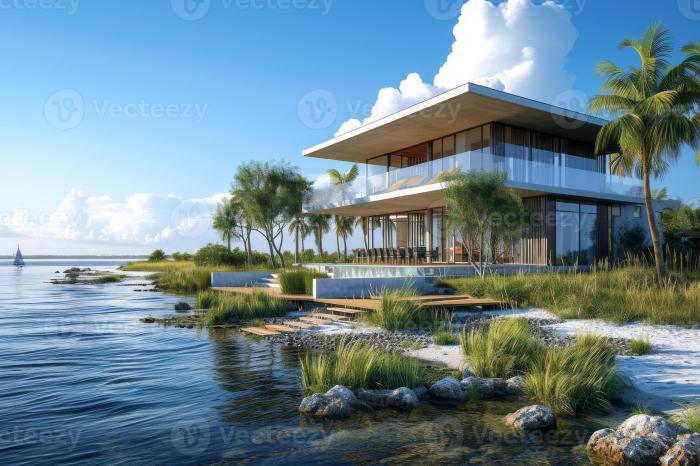
Exploring real-world examples of sustainable home exteriors provides valuable insights into the practical application of eco-friendly designs and materials. By analyzing these case studies, we can better understand the impact of sustainable practices on energy efficiency, environmental conservation, and overall aesthetic appeal.One notable aspect of sustainable home exteriors is the diversity in design approaches and the innovative materials used. Here are several successful examples that highlight different strategies for achieving sustainability in residential architecture.
Successful Examples of Sustainable Homes
Several homes across the globe exemplify the effective use of sustainable materials and design principles. These projects serve as benchmarks in the sustainable building industry.
- Earthship Biotecture in Taos, New Mexico: This innovative home utilizes recycled materials such as tires and glass bottles, combined with passive solar design, to create a self-sufficient living environment. Earthships are designed to provide natural heating and cooling, demonstrating a harmonious relationship with the environment.
- The Edge in Amsterdam: This iconic office building is equipped with a green roof and an advanced energy management system. Its innovative exteriors, which utilize a blend of glass and aluminum, maximize natural light while minimizing energy consumption.
- Shoreline House in Maine: Built with locally sourced timber and stone, this home exemplifies sustainability while blending with its natural surroundings. The use of energy-efficient windows and insulation ensures reduced energy usage throughout the year.
Comparison of Different Sustainable Designs
Comparing sustainable designs highlights both the variety of methods employed and their respective impacts on the environment and lifestyle.
- Passive Solar Design vs. Active Solar Systems: Homes that utilize passive solar design capture sunlight for heating without mechanical systems, while active solar systems depend on photovoltaic panels to generate energy. While passive systems often have lower installation costs, active systems offer greater energy independence.
- Green Roofs vs. Traditional Roofs: Green roofs, covered with vegetation, provide insulation and manage rainwater runoff, contributing to biodiversity. In contrast, traditional roofs may generate heat and contribute to urban heat islands, thereby increasing energy demands.
- Recycled Materials vs. New Sustainable Materials: Homes using recycled materials not only reduce waste but also often bring unique design elements. New sustainable materials, like bamboo or reclaimed wood, offer durability and aesthetic appeal, while promoting eco-friendly harvesting practices.
Lessons Learned from Innovative Sustainable Projects
Analysis of innovative sustainable projects reveals critical lessons and best practices that can be applied to future endeavors.
- The Importance of Local Materials: Utilizing locally sourced materials not only reduces transportation emissions but also supports local economies. Projects like the Shoreline House exemplify how this practice enhances both sustainability and community engagement.
- Integrating Green Spaces: Incorporating gardens and green roofs can enhance biodiversity and improve air quality. The Edge in Amsterdam showcases how green spaces can also serve as communal areas, fostering social interaction among occupants.
- Emphasizing Energy Efficiency: Innovative designs that focus on energy efficiency, such as those seen in Earthship Biotecture, prove that long-term savings on energy bills can accompany eco-friendly living. This approach encourages homeowners and builders to prioritize efficiency from the outset.
Government Regulations and Incentives
Government regulations and incentives play a pivotal role in promoting sustainable building practices. Local, state, and federal governments have recognized the importance of sustainable development for environmental preservation and community welfare. As a result, various regulations and incentive programs have been established to encourage homeowners and builders to adopt eco-friendly designs and materials, ensuring a more sustainable future for our communities.The regulatory framework for sustainable home exteriors often includes building codes focused on energy efficiency, water conservation, and material sustainability.
These regulations can vary widely based on location, so it is essential to understand the specific laws applicable in your area. Additionally, government incentives and grants are available for homeowners who choose to integrate sustainable designs, significantly reducing upfront costs.
Key Regulations Promoting Sustainable Building Practices
In many regions, several regulations have been established to ensure that sustainable building practices are not just encouraged but mandated. Understanding these regulations can help homeowners and builders make informed decisions about their projects. Some of the key regulations include:
- Energy Efficiency Standards: Many places enforce codes that require new homes to meet specific energy efficiency ratings, such as those Artikeld in the International Energy Conservation Code (IECC).
- Water Conservation Regulations: Local governments often require water-efficient fixtures and irrigation systems to minimize water usage in landscaping.
- Recycling and Waste Management Codes: Regulations may mandate the recycling of construction debris and the use of sustainable materials sourced from recycled content.
- Green Building Certifications: Programs like LEED (Leadership in Energy and Environmental Design) and Green Globes provide frameworks for sustainable building practices and may influence local building codes.
Incentives and Grants for Sustainable Designs
To encourage homeowners to invest in sustainable construction, various incentives and grants are available that can significantly offset costs. These financial aids can help make sustainable options more accessible to a broader range of homeowners.Some of the incentives include:
- Tax Credits: Homeowners may qualify for federal tax credits for installing renewable energy systems like solar panels or for making energy-efficient upgrades.
- Rebates: Many utility companies offer rebates for energy-efficient appliances and home improvements, encouraging consumers to reduce their energy consumption.
- Grants: Government and nonprofit organizations often provide grants to support the construction or renovation of homes following sustainable practices.
- Low-Interest Loans: Special financing programs may be available for homeowners who commit to sustainable building practices, making it easier to fund green renovations.
Navigating Local Building Codes
Understanding local building codes is crucial for anyone looking to undertake a sustainable construction project. Each municipality may have its own set of codes that can affect the design, materials, and techniques used in building a home.When navigating local building codes:
- Consult Local Authorities: Engaging with local building departments can provide clarity on what regulations apply to your project.
- Research Zoning Laws: Zoning regulations may affect the type of sustainable practices that are permissible in certain areas.
- Review Permit Requirements: Different projects will have different requirements for permits; knowing these up front can save time and resources.
- Stay Informed About Changes: Building regulations can change; it’s vital to keep abreast of any new policies that may impact sustainable building practices.
“Understanding the intersection of regulations and incentives is key to successfully implementing sustainable home designs.”
Future Trends in Sustainable Home Exteriors
Source: dreamstime.com
As the world grapples with the challenges posed by climate change, the evolution of sustainable home exteriors is not just a trend but a necessity. Homeowners and builders alike are increasingly prioritizing eco-friendly practices, pushing the boundaries of materials and designs to create structures that are both functional and environmentally responsible. With advancements in technology and a deeper understanding of sustainability, the next decade promises exciting developments in how homes are designed and constructed.
Emerging Materials and Technologies
The future of sustainable home exteriors is heavily influenced by innovative materials and technologies that reduce environmental impact while enhancing aesthetic appeal. Notable trends include:
- Recycled Construction Materials: Products made from recycled plastics, metals, and wood are gaining traction. For instance, composite decking and siding made from recycled plastics not only reduce waste but also minimize the need for new materials.
- Biodegradable Materials: Natural materials like straw bales, rammed earth, and bamboo are being used for their sustainability and minimal environmental footprint. These materials are not only eco-friendly but also provide excellent insulation.
- Self-Healing Concrete: An exciting development is the use of self-healing concrete, which contains bacteria that can mend cracks when they form, thereby extending the lifespan of structures and reducing maintenance costs.
- Smart Home Technologies: Integration of IoT devices for monitoring and managing energy use, such as smart windows that adjust their tint based on sunlight, is becoming more common, enhancing energy efficiency in sustainable homes.
Impact of Climate Change on Design
Climate change is reshaping the way we think about home exterior designs. Architects and builders are adapting to extreme weather patterns, incorporating resilient design elements to withstand future climate conditions. Key considerations include:
- Climate-Responsive Architecture: Homes are being designed with orientation and materials that respond to local climate conditions, enhancing natural cooling and heating to reduce energy consumption.
- Water Management Solutions: Rainwater harvesting systems and permeable pavements help manage stormwater runoff, addressing flooding issues and conserving water resources.
- Insulation Innovations: Enhanced insulation materials are crucial for adapting to temperature fluctuations, keeping homes comfortable while reducing reliance on heating and cooling systems.
Predictions for Sustainable Architecture
Looking ahead, the evolution of sustainable architecture is set to accelerate, driven by consumer demand and regulatory pressures. Predictions for the next decade include:
- Increased Use of Green Roofs: Urban environments are likely to see a rise in green roofs, which provide insulation, reduce urban heat, and promote biodiversity by creating habitats for wildlife.
- 3D Printing Technology: The adoption of 3D printing for building materials is expected to revolutionize construction practices by minimizing waste and enabling more complex designs that traditional methods cannot achieve.
- Net-Zero Homes: The concept of net-zero homes, which produce as much energy as they consume, will become more mainstream. This is facilitated by advancements in solar panel efficiency and energy storage solutions.
- Regenerative Design Principles: Future homes will likely be designed with a focus on regenerative practices, where homes not only minimize their ecological footprint but also contribute positively to their environments.
Ending Remarks
In conclusion, the journey towards embracing sustainable home exteriors offers numerous benefits, from reduced environmental impact to enhanced energy efficiency. As we move forward, the integration of innovative materials and designs will play a pivotal role in shaping the homes of tomorrow. By prioritizing sustainability, we ensure a healthier planet for future generations.
FAQ Compilation
What are the main benefits of using sustainable materials?
Sustainable materials are often more durable, require less maintenance, and have a lower environmental impact compared to traditional options.
How do I choose energy-efficient designs for my home?
Consider natural lighting, insulation quality, and the orientation of your home when selecting energy-efficient designs.
What types of landscaping practices are considered sustainable?
Native plants, xeriscaping, and water-efficient irrigation systems are key components of sustainable landscaping.
Are there any financial incentives for building sustainable homes?
Many governments offer grants, tax credits, or rebates to homeowners who invest in sustainable building practices.
How can solar panels be integrated into home designs?
Solar panels can be installed on rooftops or integrated into building materials to optimize energy efficiency.