Importance of Exterior Landscaping: Exterior Landscaping & Home Facade
Exterior landscaping & home facade – Exterior landscaping plays a crucial role in defining the overall aesthetic and functional appeal of a home. A well-thought-out landscape design not only enhances the visual allure of a property but also creates an inviting atmosphere for homeowners and visitors alike. From manicured lawns to vibrant flower beds, exterior landscaping serves as the first impression for any property, making it essential for homeowners to invest time and resources into cultivating an appealing outdoor space.Landscaping contributes significantly to property value, reflecting careful attention to detail and a commitment to maintaining a home.
Properties with well-designed landscapes often see a return on investment that can range from 10% to 20% higher than similar homes without landscaping features. The presence of attractive trees, shrubs, and flowers can make a home more marketable, appealing not just to potential buyers but also to renters. Additionally, well-maintained landscaping can reduce the time a property spends on the market by enhancing curb appeal.






Environmental Benefits of Well-Designed Landscaping, Exterior landscaping & home facade
A thoughtfully executed landscape does more than just beautify a space; it also serves vital environmental functions. Homeowners can utilize exterior landscaping to improve air quality, manage stormwater, and promote biodiversity. Here are some key environmental benefits of well-designed landscaping:
- Air Quality Improvement: Trees and plants absorb carbon dioxide and release oxygen, resulting in fresher air. For instance, a mature tree can absorb about 48 pounds of carbon dioxide annually, significantly contributing to cleaner air.
- Stormwater Management: Proper landscaping can reduce runoff and erosion by promoting water absorption into the ground. Features like rain gardens or permeable pavements help manage excess rainwater, preventing flooding and pollution in local water bodies.
- Biodiversity Support: Landscaping that incorporates native plants provides habitats for various wildlife species, fostering local biodiversity. Native plants are adapted to the local climate and soil, requiring less water and maintenance, which benefits the environment.
- Energy Efficiency: Strategically placed trees and shrubs can create windbreaks and provide shade, reducing energy costs for heating and cooling a home. For example, placing trees on the west side of a house can reduce cooling costs by up to 30%.
Implementing these landscaping practices not only enhances the functionality of outdoor spaces but also contributes to a healthier ecosystem, making it clear that exterior landscaping goes beyond mere aesthetics.
Elements of Home Facade Design
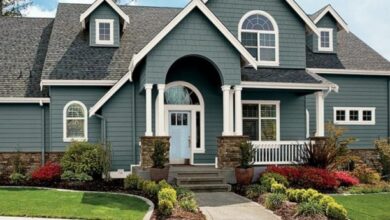
The facade of a home is not just its exterior; it’s a vital element that dictates the first impression of the property. A well-designed facade can enhance the aesthetic appeal, increase property value, and create a sense of harmony with the surrounding environment. Understanding the key components and styles of home facades is essential for any homeowner looking to make thoughtful design decisions.
Key components that make up a home’s facade include materials, colors, architectural style, and landscaping. Each of these elements plays a significant role in defining the character and functionality of the home’s exterior. The choice of materials can influence durability and maintenance, while color schemes can affect visual appeal and how the home integrates with its surroundings. Architectural styles, ranging from traditional to modern, have distinct characteristics that can either complement or clash with the overall design.
Key Components of Home Facade
The fundamental components of a home’s facade contribute to its overall design and functionality. Understanding these elements helps in achieving a cohesive and attractive exterior. Key components include:
- Materials: Common materials include brick, stone, wood, stucco, and vinyl. Each material has its own aesthetic and functional qualities, such as insulation and maintenance requirements.
- Color Palette: Color choices should harmonize with the environment and style of the home. Neutral tones often enhance architectural features, while bold colors can make a statement.
- Windows and Doors: The size, shape, and placement of windows and doors not only influence light and ventilation but also play a crucial role in the facade’s overall symmetry and style.
- Roof Design: Rooflines, materials, and slopes can dictate the architectural style and influence the home’s energy efficiency through ventilation and insulative properties.
- Trim and Details: Architectural details such as moldings, railings, and decorative elements contribute to the character and individual style of the facade.
Architectural Styles and Their Impact on Facade Design
Different architectural styles have unique characteristics that affect facade design. Recognizing these styles helps in maintaining aesthetic consistency and enhances the home’s curb appeal. Various architectural styles include:
- Victorian: Characterized by intricate details, asymmetrical shapes, and vibrant colors, Victorian facades often include decorative trim, large porches, and ornate gables.
- Modern: Emphasizing clean lines and minimalism, modern facades often use materials like glass, concrete, and steel. This style promotes functionality and simplicity.
- Colonial: This style features symmetrical designs, central entrances, and brick or wood siding. Colonials often include gabled roofs and evenly spaced windows.
- Craftsman: Recognized by its use of natural materials, low-pitched roofs, and exposed beams, Craftsman homes showcase artistry and handcrafted details.
- Ranch: Single-story homes with wide footprints often feature large windows and open floor plans. The facade typically includes a combination of brick and wood elements.
Selecting Materials for Home Exteriors
Choosing the right materials for a home’s facade is crucial for achieving a cohesive look while ensuring durability and maintenance. Factors to consider when selecting materials include:
- Climate Compatibility: Materials should withstand local weather conditions. For instance, stucco may be preferable in dry climates, while brick is often used in humid areas for its moisture resistance.
- Maintenance Requirements: Understand the upkeep each material requires. Wood may need regular painting or staining, while vinyl is often low maintenance.
- Aesthetic Appeal: The right materials should enhance the overall design and reflect the homeowner’s personal style. Mixing materials can create visual interest while maintaining coherence.
- Environmental Impact: Sustainable materials, such as reclaimed wood or recycled metal, not only reduce environmental impact but can also add character to a home’s facade.
- Longevity and Durability: Invest in materials that can withstand the test of time, ensuring that the facade remains appealing and functional for years to come.
Landscaping Styles and Themes
Source: parkerscustombuilders.com
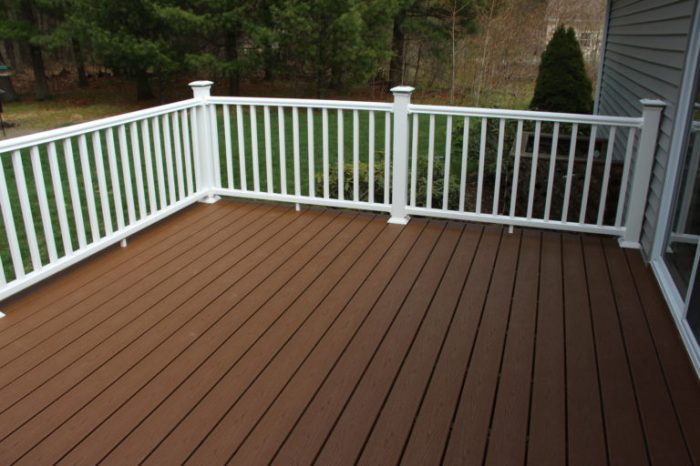
Landscaping is not just about planting flowers or laying sod; it’s an art form that enhances the overall aesthetic of your home. Different landscaping styles can reflect your personality, complement your home’s architecture, and create a cohesive outdoor environment. By understanding various landscaping themes and styles, homeowners can create stunning exteriors that harmoniously blend with their home facades.Different landscaping styles offer unique characteristics and design elements that can tailor the outdoor space to fit personal preferences and architectural styles.
Modern landscaping often features clean lines, minimalism, and a focus on sustainable practices, while traditional styles may incorporate classic elements such as symmetrical layouts and ornate details. Cottage gardens, on the other hand, embrace a more relaxed, whimsical approach, with abundant flowering plants and a charming, informal layout.
Landscaping Styles
Each landscaping style brings its distinct flavor, and selecting the right one can enhance both the beauty and functionality of your outdoor space. Here is a breakdown of popular landscaping styles:
- Modern Landscaping: Characterized by simplicity and functionality, it often employs materials such as concrete, steel, and glass. The design emphasizes open spaces and geometric shapes.
- Traditional Landscaping: This style embraces classic design principles with elements like hedges, well-defined flower beds, and ornamental features such as fountains or sculptures.
- Cottage Gardening: A charming, informal style, this approach features a mix of colorful flowers, herbs, and vegetables, creating a lush and inviting atmosphere.
Unifying Themes for Landscaping and Home Facade
The theme chosen for landscaping can significantly unify the garden with the home facade, creating a seamless transition between indoor and outdoor spaces. Here are some themes that can bridge this connection:
- Coastal Theme: Ideal for homes near the beach, incorporating sandy hues, native plants, and driftwood elements.
- Tropical Theme: Features bold, lush foliage and vibrant flowers, perfect for homes with a laid-back, breezy vibe.
- Rustic Theme: Employs natural materials, native plants, and a more organic approach, complementing homes with wooden or stone exteriors.
Plant Recommendations for Specific Home Styles
Choosing the right plants is crucial for enhancing the aesthetic appeal of your home. Here’s a curated list of plants suited for different architectural styles:
- Modern Homes: Succulents, ornamental grasses, and bamboo can reflect the clean lines and minimalism associated with modern design.
- Traditional Homes: Roses, boxwoods, and lilacs bring a classic charm that aligns well with traditional architecture.
- Cottage Homes: Lavender, daisies, and peonies offer a whimsical and colorful feel, encapsulating the essence of cottage gardening.
In landscaping, the right plant selection can not only enhance beauty but also support the overall theme and architecture of the home.
Sustainable Landscaping Practices
Sustainable landscaping refers to the practice of designing and maintaining outdoor spaces in a way that is environmentally responsible, economically viable, and socially beneficial. It emphasizes the use of natural resources efficiently and promotes biodiversity while minimizing any negative impact on the ecosystem. As climate change and water scarcity become pressing global issues, embracing sustainable landscaping practices not only enhances the aesthetic appeal of outdoor spaces but also contributes to the overall health of the environment.
Water Conservation Techniques
Water is a precious resource, and employing effective water conservation techniques in landscaping can significantly reduce waste. Implementing these strategies not only conserves water but also promotes healthier plants and landscapes. Below are some key techniques to consider:
- Drip Irrigation Systems: This method delivers water directly to the roots of plants, minimizing evaporation and runoff. It’s a highly efficient way to ensure plants receive the moisture they need without excess waste.
- Rainwater Harvesting: Collecting rainwater using barrels or cisterns allows homeowners to use this natural resource for irrigation. This practice not only saves water but also reduces stormwater runoff.
- Xeriscaping: Designing landscapes with drought-tolerant plants can drastically reduce the need for irrigation. By selecting native or adapted species that thrive in local conditions, water usage can be minimized.
- Mulching: Applying organic or inorganic mulch helps retain moisture in the soil while suppressing weeds. This reduces the need for frequent watering and allows for healthier soil conditions.
Incorporating Native Plants
Native plants are species that naturally occur in a particular region and are well-adapted to the local climate and soil conditions. Incorporating these plants into landscaping designs can significantly enhance sustainability efforts. Here are some ways to effectively utilize native plants:
- Soil Health Improvement: Native plants often have deep root systems that improve soil structure and health, enhancing water retention and reducing erosion.
- Biodiversity Support: Using native plants in landscaping supports local wildlife, including pollinators like bees and butterflies, which are crucial for ecosystem balance.
- Reduced Maintenance: Native plants typically require less water, fertilizers, and pesticides, leading to lower maintenance costs and less environmental impact.
- Seasonal Interest: Many native species provide year-round beauty with seasonal blooms, vibrant foliage, and unique textures, offering aesthetic value to landscapes.
By focusing on sustainable landscaping practices, homeowners can create beautiful yet eco-friendly environments that benefit both the community and the planet.
Hardscaping vs. Softscaping
Hardscaping and softscaping are two essential components of landscape design that contribute to the overall aesthetic and functionality of outdoor spaces. Understanding the differences between these two elements can help homeowners make informed decisions when planning their exterior landscaping projects.Hardscaping refers to the non-plant elements of landscaping, encompassing a variety of structures and surfaces that provide durability and functionality. Key components of hardscaping include patios, walkways, retaining walls, and driveways.
These elements not only enhance the visual appeal of a property but also offer practical benefits such as improved accessibility, defined pathways, and outdoor living spaces.
Components of Hardscaping
Hardscaping components play a crucial role in shaping the outdoor environment. The following elements are commonly found in hardscaping designs:
- Patios: Patios provide a flat surface for outdoor activities and gatherings. Materials can range from natural stone to concrete pavers, each offering different styles and durability.
- Walkways: Walkways guide visitors through the landscape, connecting various areas. They can be constructed from bricks, gravel, or interlocking stones, contributing to the overall flow of the garden.
- Retaining Walls: These structures prevent soil erosion and create level areas in sloped landscapes, adding visual interest and functionality.
- Driveways: A well-designed driveway not only serves as an entrance but also adds curb appeal. Choices in materials include asphalt, concrete, and decorative stones.
Softscaping, in contrast, includes all the living elements of landscaping, primarily focusing on plants, trees, shrubs, and garden beds. This aspect of landscaping is vital for creating a vibrant and inviting atmosphere, enhancing the property’s natural beauty. There is an emphasis on plant selection, which can significantly impact the aesthetics and sustainability of the landscape.
Benefits of Softscaping
Softscaping offers numerous advantages that contribute to the ecological balance and visual appeal of outdoor spaces. Important benefits include:
- Visual Appeal: A well-planned garden enhances the beauty of a property and creates a welcoming atmosphere.
- Environmental Impact: Plants improve air quality, provide habitats for wildlife, and support pollinators like bees and butterflies.
- Temperature Regulation: Trees and shrubs offer shade and cool the surrounding environment, reducing the need for air conditioning in nearby structures.
- Soil Health: Garden beds with diverse plant selections help maintain soil structure and fertility, promoting a healthy ecosystem.
Comparing the costs and sustainability of hardscaping versus softscaping reveals key insights for homeowners. Generally, hardscaping involves higher upfront costs due to the materials and labor required for installation. For instance, a stone patio can range from $15 to $50 per square foot, depending on the materials used. Additionally, hardscaping elements often require minimal maintenance once installed, thus providing long-term value.In contrast, softscaping tends to have lower initial costs, especially if homeowners choose to plant flowers and shrubs themselves.
However, ongoing maintenance such as watering, fertilizing, and pruning is necessary to keep plants healthy. Sustainability is also a significant factor; softscaping supports biodiversity and can be designed to require less water through the use of native plants or xeriscaping techniques.
The choice between hardscaping and softscaping ultimately depends on individual preferences, budget considerations, and specific landscape goals.
Lighting in Exterior Landscaping
Proper lighting in exterior landscaping not only enhances the visual appeal of outdoor spaces but also plays a crucial role in safety and functionality. Thoughtful lighting design can transform a garden or yard into a stunning nighttime retreat, while also ensuring pathways and entrances are illuminated for safe navigation. Understanding the types of lighting available and how to integrate them effectively can elevate the overall aesthetic of your home facade during the nighttime.
Types of Outdoor Lighting
There are several types of lighting suitable for outdoor areas, each designed to fulfill specific functions and enhance the beauty of landscaping.
- Pathway Lights: These lights are installed along walkways and garden paths to provide safe passage. They often come in various styles, from solar-powered to low-voltage options.
- Spotlights: Used to highlight specific features such as trees, sculptures, or architectural details of the home. Spotlights can create dramatic effects and are essential for highlighting focal points.
- Flood Lights: These provide broad illumination across large areas, making them ideal for patios, driveways, or larger gardens. They can deter crime and enhance security.
- String Lights: Often used for creating a warm, inviting ambiance in outdoor entertaining areas. They can be hung from trees, fences, or pergolas, adding a festive touch.
- Wall Lights: Mounted on walls or fences, these lights can illuminate vertical spaces, guiding guests towards entrances and enhancing the facade of the home.
Integrating Lighting into Landscaping
Integrating lighting thoughtfully into landscaping enhances both safety and aesthetics. Here are effective methods for doing so:
- Layering Light: Combining different types of lighting (ambient, task, and accent lights) creates depth and interest in the landscape. Layering allows various features to shine while providing a balanced overall illumination.
- Lighting Pathways: Illuminating pathways with soft, low-level lighting helps prevent accidents while adding charm. Opt for fixtures that cast light downwards to minimize light pollution.
- Highlighting Trees and Plants: Use spotlights or uplights to illuminate trees and larger plants, creating beautifully lit silhouettes against the night sky.
- Safety Lighting: Ensure areas like steps, entrances, and patios are well-lit to prevent trips and falls. Motion sensor lights can be particularly effective for entrances, activating only when someone approaches.
Enhancing Home Facade with Lighting
Lighting can dramatically enhance the home facade during nighttime, making it stand out and ensuring it remains inviting.
- Architectural Lighting: Use uplights to accentuate architectural features such as columns, eaves, or unique textures of the facade. This can create a stunning view from the street that emphasizes the structure’s beauty.
- Accent Lighting: Highlight specific elements, such as a front door or a decorative window, to draw attention and create a welcoming atmosphere.
- Soft Wash Lighting: A gentle wash of light across the facade provides an elegant glow that enhances the home’s color and texture without being overpowering.
- Color Changing Lights: Incorporating LED lights that change colors can add a dynamic aspect to the home’s appearance, especially during special occasions or holidays.
“The right lighting can turn an ordinary landscape into a breathtaking nighttime oasis, while also providing safety and security.”
Seasonal Considerations in Landscaping

Source: numerade.com
Understanding seasonal considerations in landscaping is vital for creating a vibrant and functional outdoor space throughout the year. The changing seasons not only influence the aesthetic appeal of your landscape but also dictate the types of plants, maintenance routines, and design elements that are most suitable at any given time. By taking these seasonal dynamics into account, homeowners can ensure a flourishing facade that enhances curb appeal, while also catering to the needs of the local climate and environment.Seasons impact landscaping choices significantly, as each season brings its own unique challenges and opportunities.
For instance, spring is the time for planting and rejuvenation, while summer requires more intensive maintenance to combat heat. Fall often involves preparation for winter, and winter can provide a blank canvas for certain design elements. Proper planning for seasonal maintenance ensures that your landscaping remains healthy and visually appealing throughout the year.
Impact of Seasons on Plant Selection
Selecting the right plants for your landscape can create a dynamic display that changes with the seasons. Understanding which species thrive in specific conditions allows for a garden that is not only beautiful but also sustainable. Here are some examples of plants that excel in each season:
- Spring: Tulips, daffodils, and hyacinths burst into bloom, adding vibrant colors as winter fades.
- Summer: Sunflowers, zinnias, and daylilies thrive in the warmth, showcasing bright, cheerful flowers.
- Fall: Asters, chrysanthemums, and ornamental grasses provide stunning autumn hues and textures as leaves change.
- Winter: Evergreens like pines and spruces, along with winterberry holly, offer structure and color against the stark winter landscape.
Maintaining a thoughtful timeline for seasonal maintenance is equally crucial. Each season comes with specific tasks that need to be executed to keep the landscape in top shape:
- Spring: Fertilization, planting, and mulching should be done to prepare for growth.
- Summer: Regular watering, weeding, and pest control help plants thrive in the heat.
- Fall: Raking leaves, dividing perennials, and planting bulbs for spring are essential for a healthy transition.
- Winter: Protecting delicate plants with mulch and planning for spring projects ensures your landscape is ready to awaken.
By aligning plant selections and maintenance tasks with seasonal changes, homeowners can create a landscape that’s not only beautiful year-round but also manageable and sustainable.
“Seasonal landscaping not only enhances the beauty of your home but also ensures that plants flourish in their optimal conditions.”
DIY Landscaping Projects
Enhancing your home’s curb appeal can be both enjoyable and rewarding, especially when you take the DIY route. Simple landscaping projects not only boost the aesthetic of your property but also provide a sense of accomplishment. With the right approach, you can transform your outdoor space into a welcoming oasis that reflects your personal style.One of the great aspects of DIY landscaping is that it allows you to customize your outdoor space in a way that suits your preferences and budget.
Below are some straightforward DIY projects that can significantly enhance your curb appeal along with guidance on selecting tools and materials for each task.
List of Simple DIY Projects to Enhance Curb Appeal
Implementing these simple projects can give your exterior a fresh look while being manageable for most homeowners.
- Planting a flower bed: Create a colorful display with annuals or perennials that bloom at different times throughout the year.
- Building raised garden beds: These not only make gardening easier but also add visual interest.
- Installing a pathway: A well-defined walkway can guide visitors to your entrance and elevate the landscape design.
- Adding decorative mulch: This offers a clean finish to garden beds while helping to retain moisture in the soil.
- Setting up outdoor lighting: Highlighting pathways or garden features can create a cozy evening atmosphere.
Creating Garden Beds
Building garden beds is an excellent way to enhance your landscape visually and functionally. Here’s a step-by-step guide to creating your own raised garden bed:
1. Select the Location
Choose an area that receives at least 6-8 hours of sunlight daily.
2. Gather Materials
Use untreated wood (like cedar), screws, and a drill for assembly. For a 4×4 foot bed, you’ll need four 2×6 boards, each 4 feet long.
3. Cut the Wood
If necessary, cut the boards to size.
4. Assemble the Frame
Create a square frame by securing the corners with screws.
5. Prepare the Ground
Clear the area of grass and debris, leveling the surface if needed.
6. Place the Frame
Position the frame on the prepared ground.
7. Add Soil
Fill with a mix of topsoil and compost.
8. Plant
Select your desired plants and follow spacing guidelines.
Installing Walkways
Creating a pathway can define your outdoor spaces and guide visitors effectively. Here’s how to install a simple gravel walkway:
1. Design Your Path
Decide on the shape and width of the walkway.
2. Select Materials
Choose gravel, pavers, or stepping stones based on your design preference.
3. Mark the Artikel
Use stakes and string to Artikel your path.
4. Excavate the Area
Dig down about 4-6 inches along the path.
5. Add Landscape Fabric
Lay landscape fabric to prevent weeds.
6. Lay Your Material
Pour gravel or set pavers, ensuring they are level.
7. Fill Gaps
If using gravel, brush it into the gaps for a finished look.
Selecting Tools and Materials for DIY Landscaping Tasks
Having the right tools and materials is crucial for successful DIY landscaping. Basic tools include shovels, rakes, trowels, and gloves. When selecting materials, consider the following:
Durability
Choose materials that can withstand your local climate.
Aesthetics
Select colors and textures that complement your home’s facade.
Cost
Budget for both tools and materials to avoid overspending.
“Investing in quality tools can make your landscaping projects easier and more enjoyable.”
With these DIY landscaping projects and guidance, you are well on your way to enhancing your outdoor space while enjoying the satisfaction of completing the work yourself.
Hiring Professionals vs. DIY
Source: ytimg.com
When it comes to enhancing your exterior landscaping and home facade, one of the key decisions is whether to hire a professional landscaper or tackle the project yourself. Each option offers unique advantages, and considering various factors can help you make the best choice for your situation. Let’s dive into the benefits of both approaches and what to keep in mind when making your decision.Hiring a professional landscaper can bring a wealth of experience and expertise to your project.
Professionals have the training and knowledge to create cohesive designs, select the right plants, and implement the latest landscaping trends. For those who may lack the time, skills, or tools necessary for an extensive landscaping project, hiring an expert can save considerable effort and lead to higher-quality results.
Benefits of Hiring a Professional
Opting for a professional landscaping service comes with several key benefits that can alleviate stress and enhance the overall outcome of your project. Here are some advantages to consider:
- Expertise: Professionals have an understanding of local climate conditions, soil types, and plant species that thrive in your area, ensuring a successful and sustainable landscape.
- Design Skills: Landscape architects and designers can create visually appealing layouts that enhance your home’s curb appeal while considering functional aspects like drainage and sunlight exposure.
- Time Savings: Hiring a pro frees up your time, allowing you to focus on other priorities while the landscaping work is completed efficiently and effectively.
- Access to Resources: Professionals often have access to a network of suppliers, which can lead to better material options and competitive pricing.
- Long-term Value: A well-executed professional landscape design can increase your property’s value and reduce future maintenance costs.
Considerations When Choosing a Landscaping Service
Selecting the right landscaping service is crucial to ensuring your vision comes to life. Here are some important factors to consider:
- Experience and Portfolio: Review portfolios of past projects to assess the company’s style and expertise in designs similar to what you envision.
- References and Reviews: Check client testimonials and ask for references to gauge the quality of service and reliability of the landscaper.
- Certifications and Insurance: Verify that the professional holds the necessary certifications and insurance to protect yourself from potential liabilities.
- Communication: Choose a landscaper who listens to your ideas and communicates clearly about timelines, expenses, and design concepts.
- Budget Flexibility: Ensure the service provider is willing to work within your budget while still delivering quality results.
Budgeting for Professional Landscaping Services
Budgeting for professional landscaping can vary widely based on the scope of the project. Understanding the costs involved will help in planning effectively. Here are important considerations to keep in mind:
- Initial Consultation Fees: Many landscapers charge a fee for the first consultation, which may be applied to the overall project cost.
- Design Fees: Depending on the complexity of the design, fees can range from a few hundred to thousands of dollars.
- Installation Costs: Labor costs, materials, and any necessary equipment rentals should be factored into the budget, often making up a substantial portion of the expense.
- Maintenance: Consider ongoing maintenance costs that may arise after the initial installation, such as lawn care and seasonal clean-ups.
- Contingency Fund: Set aside an additional 10-20% of your total budget for unexpected expenses that may arise during the project.
“Investing in professional landscaping can enhance your home’s aesthetic appeal and functionality, leading to increased property value and personal satisfaction.”
Making the decision between hiring a professional landscaper and pursuing a DIY approach ultimately comes down to your specific needs, budget, and comfort level with landscaping tasks. By carefully weighing these factors, you can choose the best route to achieve your dream outdoor space.
Outcome Summary
In conclusion, the art of combining exterior landscaping & home facade can transform an ordinary dwelling into an extraordinary sanctuary. By considering elements like style, sustainability, and seasonal changes, homeowners can create a harmonious outdoor space that reflects their vision while increasing property value. Whether you choose to delve into DIY projects or hire professionals, the journey of enhancing your home’s exterior is both rewarding and enriching.
FAQ
What is the best time to start landscaping?
The best time to start landscaping is typically in the spring or early fall when temperatures are moderate and rainfall is abundant, allowing plants to establish roots.
How can I improve my home’s curb appeal?
Improving curb appeal can be achieved by adding fresh paint to the facade, updating fixtures, maintaining the lawn, and incorporating attractive landscaping features.
What types of plants are best for low-maintenance landscaping?
Low-maintenance plants include native species, succulents, and ornamental grasses, as they require less water and minimal upkeep.
How do I choose the right materials for my home’s facade?
Choosing the right materials involves considering your home’s architectural style, local climate, and durability, while also ensuring they complement each other.
What role does lighting play in exterior landscaping?
Lighting enhances the safety and aesthetic appeal of your landscape by highlighting features and creating ambiance in outdoor spaces during nighttime.