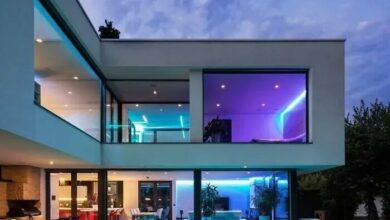
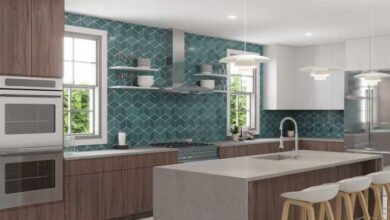
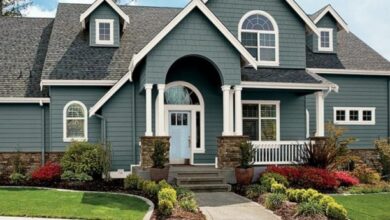
Importance of Home Exterior Design
Home exterior design – The exterior design of a home plays a pivotal role in its overall appeal and value. It serves as the first impression for visitors and potential buyers alike, making it crucial to invest thought and effort into the aesthetics of a property. A well-designed exterior can significantly enhance not only the beauty of a home but also its market value.The impact of exterior design on property value cannot be overstated.
When homeowners prioritize their home’s curb appeal, they often see a tangible return on investment. A study by the National Association of Realtors found that homes with attractive exteriors can sell for 7-14% more than similar homes without those enhancements. This increase is attributed to buyers’ preferences for homes that are visually appealing and well-maintained. Additionally, a thoughtfully designed exterior can reduce the time a home spends on the market.






Neighborhood Appeal
The aesthetics of a home extend beyond its individual walls; they contribute to the overall charm of the neighborhood. When homes are visually consistent and pleasing, it enhances the community’s atmosphere and encourages a sense of pride among residents. Key factors that contribute to neighborhood appeal include:
- Architectural Harmony: Homes that share similar styles or designs create a cohesive look that attracts buyers and fosters community identity.
- Landscaping: Well-kept gardens, trees, and green spaces not only beautify individual properties but also elevate the entire neighborhood’s appeal.
- Maintenance: Properties that are well-maintained signal to potential buyers that the neighborhood values upkeep, which can enhance property values across the board.
The psychological effects of color choices in home design also play a significant role in exterior aesthetics. Different colors evoke various emotions and can influence perceptions of a home.
Psychological Effects of Color Choices
Understanding the psychology of color can help homeowners make intentional choices that enhance their exterior design. The colors selected for a home can affect its ambiance, mood, and even the perceived value. Here are some common color associations:
- Blue: Often associated with calmness and serenity, blue can create a tranquil environment that invites relaxation.
- Red: This bold color can evoke excitement and energy, making a home stand out. However, it can also be overwhelming if overused.
- Green: Symbolizing nature and growth, green tones can create a refreshing and welcoming vibe, ideal for homes surrounded by gardens.
- Neutral Tones: Colors like beige, gray, and white convey elegance and simplicity, appealing to a broad range of potential buyers.
In conclusion, choosing the right color scheme can have a profound impact on how a home is perceived, further influencing its overall value and appeal in the neighborhood. Homeowners should consider these aspects carefully to create an inviting and attractive exterior.
Key Elements of Home Exterior Design
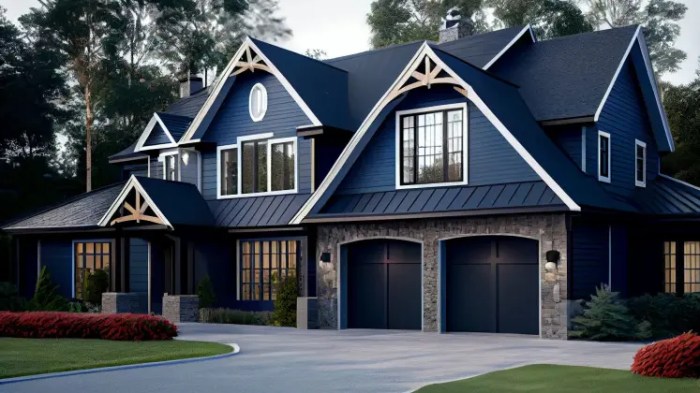
Source: jdhostetter.com
The exterior design of a home plays a vital role in establishing its character and enhancing its curb appeal. It encapsulates various elements that work in harmony to create an inviting and aesthetically pleasing environment. A well-thought-out home exterior design not only reflects the homeowner’s personal style but also contributes to the overall value of the property.One of the fundamental components of exterior design is the choice of materials, which significantly impacts both the functionality and visual appeal of a home.
Different materials offer unique benefits and can affect the overall ambiance. The selection of materials influences durability, insulation, maintenance requirements, and even the energy efficiency of the home. For instance, using natural stones or brick provides a classic look while ensuring longevity, whereas wood can offer warmth but may require more upkeep.
Role of Materials in Exterior Design
Materials play a crucial role in determining the aesthetic and functional aspects of home exteriors. Their selection can influence everything from style to sustainability. Here are some key materials commonly used in home exterior design and their benefits:
- Brick: Known for its durability and low maintenance, brick offers excellent insulation and a timeless appeal. It resists weathering and is fireproof, making it a popular choice for various architectural styles.
- Wood: Wood adds warmth and natural beauty to a home. It is highly versatile and can be used in various architectural styles. However, it requires regular maintenance to protect against rot and pests.
- Vinyl: Vinyl siding is a cost-effective option that mimics the look of wood without the maintenance. It is weather-resistant and available in a wide array of colors.
- Stucco: This material is known for its unique texture and energy efficiency. It is often used in Mediterranean-style homes and can be painted in various colors, allowing for personalization.
- Stone: Natural stone exteriors provide unmatched beauty and durability. They are low maintenance and often increase property value due to their high-end appearance.
Architectural Styles and Their Characteristics
The architectural style of a home profoundly influences its exterior design. Each style carries distinct characteristics that define its visual language. Here are a few popular architectural styles and their defining features:
- Colonial: Characterized by symmetry and classic proportions, Colonial homes often feature brick or wood siding, gabled roofs, and prominent front doors.
- Modern: Emphasizing clean lines and minimal ornamentation, modern homes often utilize materials like glass and steel to create an open, airy feel.
- Craftsman: Known for their low-pitched roofs and large front porches, Craftsman homes often use natural materials like wood and stone for a rustic charm.
- Victorian: With intricate details and bold colors, Victorian homes often feature decorative trim, steep roofs, and asymmetrical facades, reflecting a rich history.
- Farmhouse: This style emphasizes practicality, featuring large porches and simple lines, often constructed with wood and metal accents for a cozy look.
Common Features of Well-Designed Home Exteriors
A well-designed home exterior incorporates several key features that contribute to its overall appeal and functionality. These elements ensure that the home not only looks attractive but also meets the needs of the inhabitants.
- Landscaping: Thoughtful landscaping enhances the home’s appearance and provides a welcoming atmosphere. Elements such as shrubs, trees, and flowers create a vibrant environment.
- Entryway Design: A well-defined entryway is crucial. Features like a stylish front door, well-placed lighting, and decorative elements draw attention and create a warm welcome.
- Windows and Doors: High-quality windows and doors improve energy efficiency and add character. Features like decorative trims and unique shapes can enhance visual interest.
- Outdoor Living Spaces: Patios, decks, and outdoor kitchens expand the living area and provide space for relaxation or entertainment, making the home more functional.
- Color Scheme: A cohesive color scheme ties the elements of the exterior together. Choosing colors that complement the architectural style enhances the home’s overall appeal.
Color Schemes and Patterns
Source: ftcdn.net
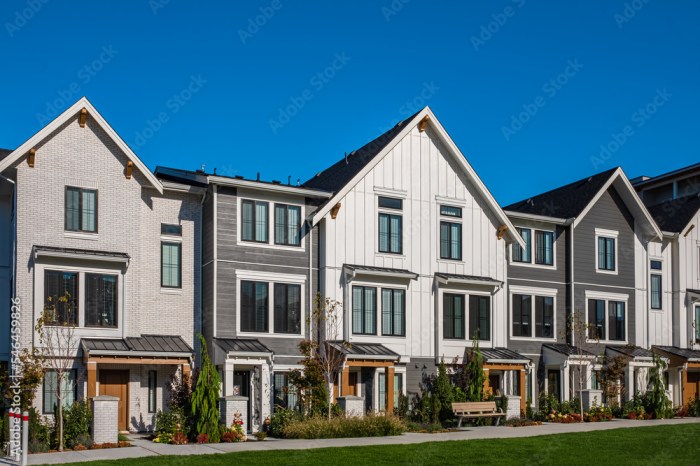
Choosing the right color scheme for your home’s exterior can significantly enhance its aesthetic appeal and contribute to a harmonious neighborhood appearance. The colors you select affect not only how your house looks but also how it feels. An effective color palette can evoke emotions, create a sense of unity with the surrounding environment, and even increase your property’s value.Understanding the dynamics of color saturation and brightness is crucial in achieving a balanced exterior design.
Saturation refers to the intensity or purity of a color, while brightness indicates how light or dark a color appears. Together, these elements can dramatically influence the visual weight of your design. High-saturation colors tend to stand out and can be used as accents, while softer, less saturated colors might be more suitable for larger surfaces.
Choosing Complementary Colors
When selecting colors for your home’s exterior, it’s essential to consider complementary combinations that enhance each other without clashing. This can create a cohesive look that draws attention without overwhelming the senses. Here are some tips for choosing complementary colors:
1. Use a Color Wheel
A color wheel can help identify complementary colors, which are opposite each other on the wheel. For example, pairing blue and orange creates a vibrant contrast that is visually appealing.
2. Consider Architectural Style
The architectural style of your home greatly influences the color choices. Traditional homes may benefit from classic palettes, while modern designs can embrace bold, contemporary colors.
3. Test Samples
Always test paint samples on your home’s exterior before making a final decision. Observe how colors look at different times of the day, as natural light can alter their appearance.
4. Natural Elements
Take inspiration from surrounding landscapes and natural elements. Greens and browns from the garden can complement earthy tones, while blues might harmonize with nearby water features.
Popular Color Combinations
Several color combinations have stood the test of time and remain popular among homeowners. Here are a few examples that illustrate successful color pairings:
Navy Blue and White
This classic combination offers a nautical feel, perfect for coastal homes. The deep navy adds sophistication, while crisp white provides a refreshing contrast.
Gray and Soft Yellow
A gray exterior can look modern and chic, and adding soft yellow accents brings warmth and a cheerful touch, especially in trim or shutters.
Earthy Greens and Browns
These colors mimic nature and work well for homes nestled in wooded areas. Earthy tones provide a calming effect and blend seamlessly with surrounding greenery.
Charcoal and Bright Red
For a more contemporary look, pairing charcoal with bright red creates a striking visual impact. The dark base provides a strong foundation, while the red adds a pop of energy.
“Color is the keyboard, the eyes are the harmonies, the soul is the piano with many strings.” -Wassily Kandinsky
Experimenting with these color schemes can ultimately lead to a home exterior that reflects your personal style while remaining visually cohesive with its environment.
Landscaping and its Role
Source: turbosquid.com
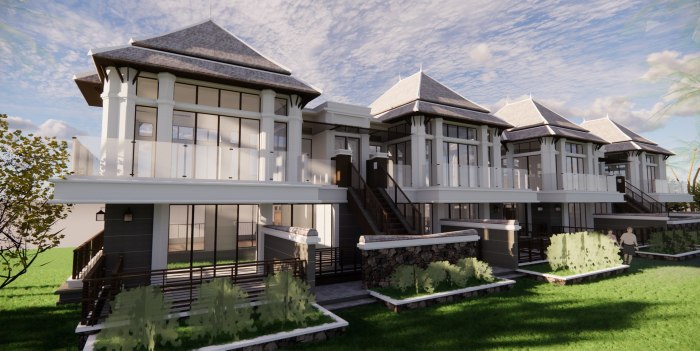
Landscaping is an essential component of home exterior design, creating an inviting atmosphere that enhances the overall aesthetic appeal of a property. It serves not only to beautify but also to integrate various elements of the home’s exterior, making every corner feel connected and thoughtfully designed.Effective landscaping complements the architectural style of the home while adding functional spaces and improving environmental quality.
By choosing the right plants and outdoor features, homeowners can create visually striking areas that draw the eye and enhance curb appeal. Additionally, landscaping can aid in energy efficiency by providing shade and windbreaks, which can lower heating and cooling costs.
Integration of Landscaping with Exterior Design
When planning landscaping, it’s crucial to consider how it integrates with the home’s overall exterior design. The following elements should be considered:
- Architectural Style: Ensure that the landscaping reflects the home design; for example, modern homes may benefit from minimalistic plantings, while traditional homes may look best with lush gardens.
- Color Coordination: Select plants and materials that complement the home’s color scheme, enhancing the visual harmony of the exterior.
- Functional Spaces: Design outdoor areas that serve specific purposes, such as patios, pathways, and seating areas, providing both beauty and usability.
- Natural Flow: Create pathways and planted areas that lead naturally from one part of the yard to another, making the landscape feel cohesive.
Selecting Plants to Enhance Home Appearance
The choice of plants can significantly affect the charm of a home’s exterior. Factors to keep in mind when selecting plants include:
- Climate Adaptability: Choose plants that thrive in your local climate to ensure they flourish without excessive maintenance.
- Size and Scale: Consider the mature size of plants to avoid overcrowding and ensure they fit well within their designated spaces.
- Seasonal Interest: Opt for a mix of plants that provide year-round color and texture, incorporating evergreens, flowering plants, and seasonal blooms.
- Maintenance Requirements: Select low-maintenance plants to reduce upkeep while still achieving a polished look.
Importance of Outdoor Lighting in Exterior Design
Outdoor lighting is a vital aspect of exterior design that enhances both safety and aesthetic appeal. Proper lighting can highlight architectural features, illuminate pathways, and create a warm ambiance. Effective outdoor lighting also ensures that spaces are functional after dark, allowing for evening gatherings or simply enjoying the beauty of the landscape.
- Highlighting Features: Use spotlights to accentuate trees, sculptures, or architectural details, adding depth and interest to the yard.
- Safety and Security: Well-lit pathways and entryways minimize hazards and deter intruders, making your home safer.
- Creating Ambiance: String lights or lanterns can create a cozy atmosphere, perfect for evening entertaining.
- Energy Efficiency: Opt for LED fixtures to reduce energy consumption while providing effective lighting solutions.
Sustainable and Eco-Friendly Design
Embracing sustainable and eco-friendly design choices in home exterior layouts not only benefits the environment but also enhances the home’s overall appeal and efficiency. Homeowners today are increasingly recognizing the importance of reducing their carbon footprint and opting for materials and practices that promote environmental stewardship. This approach not only leads to a healthier living space but also contributes to long-term savings on energy and maintenance costs.
Materials and Practices for Eco-Friendly Exteriors
Selecting sustainable materials is crucial in creating an eco-friendly home exterior. Utilizing renewable resources and materials with low environmental impact can make a significant difference. Here are some effective choices:
- Bamboo: This fast-growing plant is an excellent alternative to traditional lumber, providing durability while being renewable.
- Recycled Materials: Using recycled metal, glass, or plastic in exterior finishes can significantly reduce waste and energy consumption in production.
- Sustainable Wood: Opting for wood sourced from responsibly managed forests ensures that deforestation is minimized and ecosystems are protected.
- Natural Stone: Local stone not only adds aesthetic value but also reduces transportation emissions, making it an eco-friendly choice for siding or landscaping.
- Green Roofs: Installing a green roof can improve insulation, reduce stormwater runoff, and create a habitat for wildlife.
Benefits of Energy-Efficient Windows and Doors
Energy-efficient windows and doors play an essential role in maintaining a sustainable home exterior. They are designed to minimize heat loss and gain, leading to significant energy savings. Here are the advantages:
- Reduced Energy Costs: Homes equipped with energy-efficient windows and doors can reduce heating and cooling bills by up to 25%.
- Improved Comfort: Proper insulation helps maintain a consistent indoor temperature, enhancing comfort for occupants throughout the year.
- Environmental Impact: By reducing energy consumption, homeowners contribute to lower greenhouse gas emissions and a healthier planet.
- No More Drafts: Energy-efficient designs eliminate drafts, improving indoor air quality and reducing the need for constant heating or cooling.
Innovative Ideas for Incorporating Green Technology
Incorporating green technology into home exterior designs not only promotes sustainability but also enhances the beauty and functionality of the property. Here are some innovative ideas:
- Solar Panels: Integrating solar panels on roofs or walls can generate renewable energy, reducing reliance on fossil fuels and lowering electricity bills.
- Rainwater Harvesting Systems: Installing systems to collect and reuse rainwater can reduce water waste and support landscaping needs without relying on municipal supplies.
- Smart Home Technology: Utilizing smart systems for lighting, heating, and cooling can optimize energy use and improve efficiency, allowing homeowners to monitor and control their consumption.
- LED Outdoor Lighting: Switching to LED outdoor lighting not only enhances curb appeal but also significantly reduces energy use compared to traditional lighting options.
- Geothermal Heating Systems: Implementing geothermal technology can provide sustainable heating and cooling solutions while reducing energy bills and carbon emissions.
“Creating a sustainable home exterior is not only about making choices for today, but it’s also about designing for the future.”
Trends in Home Exterior Design
The world of home exterior design is constantly evolving, driven by changing tastes, advancements in technology, and a growing awareness of sustainability. As homeowners seek to create unique and functional spaces, new trends emerge that reflect both aesthetic and practical considerations. This section explores the latest trends in home exterior appearance and materials, the rise of minimalism, and the impact of technology on modern design.
Emerging Trends in Home Exterior Appearance and Materials
Today’s homeowners are gravitating towards innovative materials and designs that reflect their personality while prioritizing durability and maintenance. The following trends are at the forefront of home exterior design:
- Natural Materials: There’s a significant shift towards the use of natural materials like wood, stone, and clay. These materials not only provide a timeless aesthetic but also promote sustainability.
- Bold Textures: Textured surfaces such as stucco, exposed brick, and wood paneling are gaining popularity, allowing homeowners to create depth and interest in their exterior designs.
- Mixed Materials: Combining various materials, such as metal, wood, and glass, is a trend that allows for creative versatility and unique designs that stand out in neighborhoods.
- Large Windows: Expansive windows that blur the lines between indoor and outdoor spaces are becoming the norm, offering natural light and enhanced views while creating an inviting atmosphere.
Influence of Minimalism on Modern Exterior Designs
Minimalism continues to shape home exterior design, emphasizing simplicity and functionality. This trend promotes clean lines, open spaces, and a ‘less is more’ philosophy. Key characteristics of minimalist designs include:
- Sleek Rooflines: Many modern homes feature flat or low-pitched roofs that contribute to an uncluttered silhouette, enhancing the minimalist aesthetic.
- Neutral Color Palettes: Soft whites, grays, and beiges dominate the exterior color schemes, allowing the architecture and landscaping to take center stage without overwhelming visuals.
- Integrated Outdoor Spaces: Minimalist designs often include seamless transitions from the interior to the exterior, promoting outdoor living areas that are functional yet visually serene.
How Technology is Shaping the Future of Home Exteriors
Technology is rapidly transforming home exterior design in ways that enhance functionality and aesthetics. Innovations in materials, energy efficiency, and smart home integration are leading the charge. Notable examples include:
- Smart Siding: Products like insulated vinyl or fiber cement that can adapt to weather conditions, enhancing energy efficiency and protecting homes from the elements.
- Solar Panels: The incorporation of solar technology into roofs not only promotes sustainability but also visually integrates renewable energy solutions into the home’s design.
- Automated Lighting and Security: Smart exterior lighting solutions that adjust based on time of day or occupancy, combined with advanced security systems, provide both safety and convenience.
- 3D Printing: Emerging technologies like 3D printing are beginning to influence the construction of home exteriors, offering customized designs with reduced material waste.
DIY Home Exterior Projects: Home Exterior Design
Taking on DIY home exterior projects can be an exciting and fulfilling way to enhance your home’s curb appeal. Whether you’re looking to refresh the paint, update your landscaping, or create a welcoming entryway, these projects not only save you money but also give you a sense of accomplishment. Here’s how you can tackle some popular DIY exterior projects, step by step.
Repainting an Exterior
Repainting your home’s exterior can dramatically improve its appearance and protect it from the elements. Here’s a straightforward process to follow:
1. Prep the Surface
Start by cleaning the walls with a pressure washer to remove dirt and mildew. Allow the surface to dry completely before proceeding.
2. Repair Any Damage
Inspect for cracks or peeling paint and fill them with caulk or a suitable filler. Sand the repaired areas smooth once dry.
3. Choose Quality Paint
Select exterior paint that is durable and weather-resistant. Consider a color that complements your home’s architecture.
4. Gather Your Tools
You will need brushes, rollers, painter’s tape, a drop cloth, and a ladder for higher areas.
5. Tape Off Edges
Use painter’s tape to mask off windows, doors, and other areas to ensure clean lines.
6. Apply Primer (if necessary)
If you’re switching from a dark to a light color or if the surface is bare, applying primer first will help achieve better coverage.
7. Start Painting
Begin painting from the top down. Use a roller for larger areas and a brush for edges and corners. Apply at least two coats for a uniform finish.
8. Clean Up
Once the paint is dry, remove the painter’s tape carefully, clean your brushes, and dispose of any waste properly.
“A fresh coat of paint can rejuvenate the entire look of your home, making it feel new again.”
DIY Landscaping Updates
Updating your landscaping can transform your yard into an inviting oasis. Here are some methods to consider:
Planting Perennials
Select low-maintenance perennial flowers that thrive in your climate. Space them according to their mature size for a lush look.
Creating Flower Beds
Define the borders of your flower beds using stones or wood edging. Fill them with soil and your chosen plants for a polished appearance.
Adding Mulch
After planting, apply mulch to help retain moisture and suppress weeds. Choose organic mulch for added benefits to the soil.
Installing Pathways
Use stepping stones or gravel to create pathways that lead visitors through your garden. This not only enhances accessibility but also adds character.
Incorporating Lighting
Solar lights along paths or spotlighting particular plants can create a beautiful evening ambiance and improve safety.Each element works in harmony to create a cohesive and inviting landscape.
Creating a Welcoming Entryway
Your entryway is the first impression guests have of your home, making it essential to create a warm and inviting atmosphere. You can achieve this without professional help by following these simple steps:
Add Potted Plants
Place vibrant potted plants or flowers on either side of your front door. Choose seasonal plants for a fresh update throughout the year.
Install a New Door Mat
A stylish door mat not only serves a practical purpose but also adds a personal touch to your entryway.
Hang a Wreath
Seasonal wreaths can add charm and welcome to your door. Use natural materials for a rustic feel or colorful accents for a more vibrant approach.
Paint the Front Door
A pop of color on your front door can enhance curb appeal. Choose a color that complements your home’s exterior while also standing out.
Install Outdoor Lighting
Wall sconces or lanterns by the door not only illuminate the area but also contribute to the overall aesthetic.With these DIY projects, you can enhance your home’s exterior while expressing your personal style and creativity.
Professional Help in Home Exterior Design
When embarking on a home exterior design project, many homeowners consider the DIY route. However, enlisting the expertise of a professional designer can yield benefits that far exceed the initial investment. From refined aesthetic vision to technical know-how, a professional can elevate your project and ensure that your home’s exterior reflects your style and meets functionality standards.Professional designers bring a wealth of experience and knowledge that can streamline the design and implementation process.
They understand the nuances of various materials, color palettes, and design trends, which can significantly enhance the outcome of your project. Furthermore, they are skilled in navigating zoning laws, building codes, and permit requirements, which can often be overwhelming for homeowners.
Benefits of Hiring a Professional Designer
Choosing to hire a professional designer can offer multiple advantages that contribute to the overall success of your project. The following points Artikel the key benefits:
- Expertise and Experience: Professionals have a trained eye for design and can provide insights that you may not have considered, transforming your vision into a cohesive and stylish exterior.
- Access to Resources: Designers often have access to a network of contractors, suppliers, and resources that can streamline the purchasing and construction processes, possibly resulting in cost savings.
- Time Efficiency: With their knowledge and experience, professionals can complete projects more quickly than a DIY enthusiast, allowing you to enjoy your newly designed exterior sooner.
- Project Management: A designer can handle the details, ensuring that materials are ordered on time, work is scheduled properly, and any issues that arise are resolved swiftly.
- Increased Property Value: A well-designed exterior can enhance your home’s curb appeal and potentially increase its market value, making it a wise investment.
Selecting the Right Contractor for Home Improvements, Home exterior design
Finding the correct contractor is crucial for a successful home exterior project. The right contractor will align with your vision and deliver quality work that meets your expectations. Here are some tips for selecting a contractor:Start by conducting thorough research and gathering recommendations from friends, family, or online reviews. Look for contractors with extensive experience in exterior projects similar to yours.
Set up interviews with potential candidates and ask for their portfolios to assess their previous work.
“Always check references and reach out to past clients to inquire about their experiences. This can reveal valuable insights into the contractor’s reliability and quality of work.”
Importance of Project Planning and Budgeting
Effective project planning and budgeting are vital components of successful home exterior design. A clear plan helps in setting realistic expectations and avoiding costly mistakes. Here are elements to consider during this process:
- Define Goals: Clearly Artikel what you want to achieve with your exterior design project. This helps guide all subsequent decisions.
- Set a Budget: Determine how much you are willing to spend on the project. Be sure to factor in costs for materials, labor, and any unexpected expenses that may arise.
- Prioritize Tasks: Organize your project into phases, prioritizing aspects that are essential and can be tackled within your budget constraints.
- Timeline Planning: Establish a realistic timeline for your project, considering potential delays due to weather or supply chain issues.
- Contingency Fund: Set aside a contingency budget (typically 10-20% of the overall budget) to cover unforeseen costs that may emerge during the project.
Closure
In summary, the art of home exterior design is a multifaceted endeavor that requires thoughtful consideration of various elements, from materials and colors to landscaping and sustainability. By embracing innovative trends and understanding the significance of professional help when needed, you can transform your home’s exterior into a true reflection of your style and values. Ultimately, a well-designed exterior not only boosts your property’s curb appeal but also creates a welcoming atmosphere that you and your guests will enjoy for years to come.
FAQ Summary
What are the best materials for exterior design?
Common materials include wood, vinyl, brick, and stucco, each offering unique aesthetics and benefits.
How can I improve my home’s curb appeal?
Simple updates like fresh paint, updated landscaping, and new lighting fixtures can make a significant difference.
What colors are popular for home exteriors?
Neutral colors, such as greys and beiges, are popular, along with bold accents for doors and trims.
How much does it cost to redesign a home’s exterior?
Costs can vary widely based on the scope of work, materials chosen, and whether you hire professionals or do it yourself.
Can I incorporate sustainable practices into my exterior design?
Yes, using energy-efficient materials, native plants, and eco-friendly products can create a sustainable exterior.