Importance of House Facade Design

Source: thearchitectsdiary.com




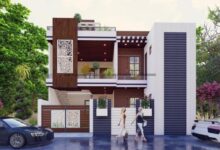
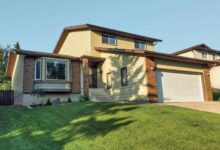
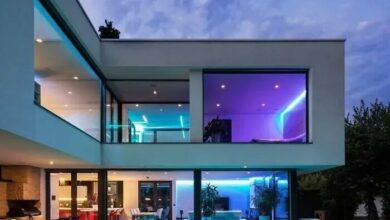
House facade design – The facade of a house is not merely its outer shell; it’s a crucial aspect of architectural aesthetics that can significantly influence the perception of the entire structure. A well-designed facade can enhance the visual appeal, creating an inviting atmosphere while also reflecting the personality of the homeowners. Its importance extends beyond just looks; it plays a vital role in defining the overall character and style of a building.The design of a house facade impacts property value in numerous ways.
Aesthetic appeal can catch a buyer’s eye and create a lasting first impression, which is essential in a competitive real estate market. Homes with attractive, well-maintained facades often command higher prices and can sell faster than those with neglected exteriors. The integration of complementary architectural elements, such as windows, doors, and materials, contributes to this enhanced value.
Role of Facade Design in Architectural Aesthetics
The facade serves as an architectural canvas, showcasing design elements that contribute to the building’s style. Factors such as symmetry, proportion, and texture play significant roles in defining a facade’s attractiveness. A well-planned facade incorporates various elements cohesively, creating a harmonious look.Key elements that influence facade aesthetics include:
- Color: The choice of color can significantly alter the perception of a building. Lighter colors can make a structure appear larger and more inviting, while darker shades can convey elegance and sophistication.
- Materials: The use of natural materials like wood and stone adds warmth and authenticity. In contrast, modern materials like glass and metal can create sleek, contemporary looks.
- Architectural Features: Elements such as balconies, cornices, and shutters can add character and uniqueness to the facade, enhancing its overall aesthetic appeal.
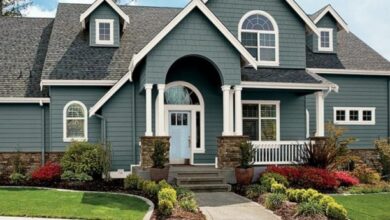
The psychological effects of color and materials used in facades are profound. Color psychology suggests that different hues can evoke varied emotional responses. For instance, blues and greens are often associated with tranquility and calmness, making them ideal for residential areas. On the other hand, vibrant colors like red or orange can evoke excitement and energy, suitable for commercial spaces.
Materials also carry psychological weight. Natural materials create a sense of comfort and connection to nature, while modern materials can project innovation and progressiveness. The combination of these elements influences not just the aesthetics but also how people feel and interact with the space.
“A house is made of walls and beams; a home is built with love and dreams.”
Ralph Waldo Emerson
In summary, the design of a house facade is crucial for enhancing architectural aesthetics, influencing property value, and impacting the psychological perception of the space. A thoughtfully designed facade is not just visually appealing, but it also speaks to the identity of the inhabitants and their lifestyle.
Elements of House Facade Design
The facade of a house is its first impression and plays a crucial role in defining both its aesthetics and functionality. Effective facade design incorporates various elements that not only enhance the visual appeal but also contribute to the overall performance of the building. Key components such as materials, colors, textures, forms, and architectural features work together to create a harmonious and inviting exterior.One of the most significant aspects of facade design is the selection of materials.
The right materials can dramatically affect the look and feel of a house while also impacting its durability and energy efficiency. Various materials are available for facade construction, ranging from traditional options like brick and stone to contemporary choices like metal and glass. Understanding the properties and characteristics of these materials is essential for making informed design decisions.
Key Components of Facade Design
The effectiveness and appeal of a facade are influenced by several key components. Below are the primary elements that contribute to an effective facade design:
- Materials: The choice of materials significantly impacts the aesthetics and functionality of the facade. Common materials include:
- Brick: Known for its durability and classic appearance, brick is a quintessential choice for traditional designs.
- Stone: Offers a rugged and natural look, often used in high-end residential designs.
- Wood: Provides warmth and texture, ideal for both traditional and modern styles.
- Metal: Popular in contemporary designs, metal can offer sleek lines and a modern aesthetic.
- Glass: Used for creating transparency and openness, glass facades are common in urban designs.
The following table illustrates the differences between traditional and modern facade elements, highlighting the evolution of design practices:
| Aspect | Traditional Facade Elements | Modern Facade Elements |
|---|---|---|
| Materials | Brick, Stone, Wood | Glass, Metal, Composite Materials |
| Patterns | Ornamental, Symmetrical | Smooth, Asymmetrical |
| Colors | Earthy Tones, Pastels | Bold Colors, Monochromatic Schemes |
| Windows | Small, Divided Panes | Large, Floor-to-Ceiling |
| Roofing | Pitched Roofs, Gables | Flat Roofs, Green Roofs |
“An effective facade design balances aesthetics, functionality, and sustainability.”
Selecting the right combination of these elements is vital for achieving a successful facade design. Each component must work in concert with the others to create a cohesive and attractive exterior that resonates with the surrounding environment and meets the needs of the inhabitants.
Styles of House Facade Design
House facade design is influenced by various architectural styles that reflect cultural, historical, and climatic factors. Understanding these styles can help homeowners choose the best design to enhance both aesthetic appeal and functionality. Different regions also showcase unique styles that cater to local climate conditions, which can significantly impact facade choices.
Popular Architectural Styles
Several architectural styles have gained popularity for house facades, each with distinctive characteristics and materials. Here’s a closer look at a few of them:
- Modern Style: Known for clean lines and minimalistic design, modern facades often feature large windows and flat roofs. Materials typically include concrete, metal, and glass, creating a sleek appearance.
- Traditional Style: This style reflects historical influences with elements like symmetry, pitched roofs, and decorative moldings. Common materials include brick, wood, and stone, providing a classic and timeless look.
- Colonial Style: Originating from early American architecture, colonial facades are characterized by their rectangular shapes, columns, and centered front doors. Materials such as wood siding and brick are commonly used in this style.
- Contemporary Style: Often confused with modern style, contemporary design incorporates current trends and can include a mix of materials. It features asymmetrical shapes and open spaces, utilizing wood, stone, and metal.
- Victorian Style: Known for its ornate details, Victorian facades include steep roofs, decorative trim, and vibrant colors. Materials used often involve wood and brick, emphasizing craftsmanship.
Regional Climate Influence on Facade Styles
Regional climates play a crucial role in determining the style and materials used in house facades. Homeowners tend to select designs that not only look appealing but also withstand local weather conditions. In hotter climates, for instance, houses often feature wide overhangs and large windows to enhance ventilation and cooling. Materials like stucco and light-colored stone help reflect sunlight, keeping interiors cooler.
Conversely, in colder regions, homes may showcase narrower windows and steep roofs to prevent snow accumulation. Here, materials like brick and heavy timber are favored for their insulation properties.
Materials Associated with Architectural Styles
Understanding the materials associated with various architectural styles can aid in making informed design choices. Here’s a list of common materials linked with specific styles:
- Modern Style: Concrete, metal, glass.
- Traditional Style: Brick, wood, stone.
- Colonial Style: Wood siding, brick.
- Contemporary Style: Wood, stone, metal.
- Victorian Style: Wood, brick.
Choosing the right facade style not only enhances a home’s beauty but also ensures it is functional and energy-efficient based on its environment.
Trends in House Facade Design
The landscape of house facade design is ever-evolving, influenced by advances in technology, sustainability, and aesthetic preferences. As homeowners and architects strive for a perfect blend of form and function, current trends are reflecting a strong commitment to sustainability, innovative materials, and the integration of smart technology. These trends not only enhance the visual appeal of homes but also contribute positively to their environmental impact.The focus on sustainable materials has gained momentum, with architects increasingly opting for eco-friendly options that reduce carbon footprints and promote energy efficiency.
The rise of smart technology in facade applications is transforming how buildings interact with their environment, promoting a blend of comfort and convenience. These advancements go hand-in-hand with innovative design techniques that are shaping the future of residential architecture.
Sustainable Materials in Facades
Sustainable materials are becoming a cornerstone in modern facade design. Homeowners are now more aware of the environmental impact of their choices, leading to a preference for materials that are not only aesthetically pleasing but also eco-friendly. Key sustainable materials include:
- Bamboo: A rapidly renewable resource that offers durability and aesthetic appeal.
- Recycled Metal: Utilized for its longevity and lower environmental impact compared to traditional materials.
- Wood Composites: Made from recycled wood fibers and plastic, providing both sustainability and resilience.
- Green Glass: This includes low-emissivity (low-E) glass that minimizes heat loss and is highly energy-efficient.
Smart Technology in Facade Applications
The integration of smart technology within facade design is on the rise, enhancing the functionality of the building while improving energy efficiency and occupant comfort. This involves the use of sensors, automated systems, and energy-efficient solutions that adjust to environmental conditions.For instance, dynamic glass can change its tint based on sunlight exposure, reducing the need for air conditioning. Moreover, smart facades can integrate solar panels seamlessly, providing a renewable energy source while enhancing the building’s aesthetics.
Innovative Design Techniques
Today’s facade design is characterized by a variety of innovative techniques that push the boundaries of traditional architecture. These techniques not only enhance visual interest but also improve energy performance and functionality. Here are some notable techniques currently in use:The following innovative design techniques are making waves in the industry:
- Vertical Gardens: Incorporating greenery into facades to improve air quality and enhance aesthetics.
- 3D Printing: Allows for unique, custom designs that are both lightweight and structurally sound.
- Modular Facades: Prefabricated panels that simplify installation and reduce waste.
- Responsive Facades: Systems that adapt to weather conditions, optimizing energy usage and comfort levels.
Planning and Designing a House Facade
Source: hibuwebsites.com
Creating a captivating and functional house facade requires a well-thought-out approach. It involves understanding the objectives of the design, the architectural language, and how these elements blend harmoniously with the surroundings. A well-planned facade not only enhances the visual appeal but also reflects the personality of the homeowner while ensuring practicality.The process of designing a house facade includes several key steps, each contributing to the final outcome.
These steps are crucial in developing a conceptual facade design that aligns with the homeowner’s vision and the environmental context. Below are the primary considerations involved in this process.
Steps in Creating a Conceptual Facade Design
The following steps Artikel the necessary phases of designing a facade:
- Research and Inspiration: Gather ideas from various sources such as architectural magazines, websites, and local buildings to understand different styles and materials.
- Define Objectives: Identify the main goals of the facade design, including aesthetic preferences, functional requirements, and budget constraints.
- Site Analysis: Examine the surrounding environment, including neighboring structures, landscaping, sunlight exposure, and local climate conditions.
- Sketching Concepts: Create preliminary sketches that visualize the facade layout, incorporating elements like windows, doors, and decorative features.
- Select Materials: Choose appropriate materials that align with the design vision and are suitable for the local environment, considering durability and maintenance.
- Refine Design: Iterate the design based on feedback and further analysis, ensuring the facade is functional and visually appealing.
Considerations for Harmonizing the Facade with the Surrounding Environment, House facade design
To ensure the facade complements its surroundings, several important factors should be taken into account:
“A well-designed facade should not only reflect the homeowner’s style but also resonate with the architectural context of its environment.”
These considerations include:
- Architectural Style: The facade should reflect or contrast thoughtfully with the predominant architectural styles in the neighborhood.
- Color Palette: Selecting colors that either blend in or stand out harmoniously can enhance the overall aesthetic while maintaining coherence with neighboring houses.
- Material Compatibility: Choosing materials that are locally sourced or commonly used in the area can create a sense of continuity and familiarity.
- Landscaping Integration: The facade design should incorporate landscape features such as trees, shrubs, and pathways, enhancing the visual connection between the home and its surroundings.
- Environmental Context: Consider aspects like the local climate, natural light patterns, and topography to ensure the facade is functional and energy-efficient.
Timeline for the Design Process
The following table Artikels a typical timeline for the facade design process, offering an overview of how long each phase may take:
| Phase | Duration |
|---|---|
| Research and Inspiration | 1-2 weeks |
| Define Objectives | 1 week |
| Site Analysis | 1 week |
| Sketching Concepts | 2-3 weeks |
| Select Materials | 1-2 weeks |
| Refine Design | 2 weeks |
| Total Time | 8-12 weeks |
Challenges in House Facade Design
The design and implementation of house facades come with a unique set of challenges that can impact not only the aesthetic appeal but also the functionality and durability of a structure. Understanding these challenges is crucial for architects, builders, and homeowners alike. This segment delves into common obstacles faced during facade design and offers solutions to mitigate their effects.
Common Challenges in Facade Design Implementation
Numerous factors can complicate the facade design process, resulting in potential issues that need to be addressed. These challenges include:
- Material Selection: Choosing appropriate materials that align with the design vision while also accounting for durability and maintenance costs can be daunting.
- Weather Resistance: Facades must withstand varying weather conditions, which necessitates careful consideration of materials and construction techniques.
- Structural Integrity: Ensuring that the facade can support its weight and resist external forces such as wind and seismic activity is essential for safety.
- Aesthetic Consistency: Achieving a cohesive look that blends with the surrounding environment while satisfying personal or community standards can be challenging.
Solutions for Overcoming Adverse Weather Conditions
Adverse weather can severely affect the longevity and performance of facade materials. Here are effective strategies to counteract these challenges:
- Material Innovation: Utilize advanced materials such as fiber-reinforced polymers, which provide superior durability against harsh weather while being lightweight.
- Protective Coatings: Applying weather-resistant coatings can enhance the lifespan of materials by offering a barrier against moisture, UV rays, and temperature fluctuations.
- Design Considerations: Incorporating design features such as overhangs and sloped surfaces can help divert rainwater and reduce wind impact on the facade.
Examples of Design Failures and Lessons Learned
Learning from past design failures can provide valuable insights for future projects. Here are notable examples where facade design did not meet expectations:
- The Ronan Point Tower Collapse: A partial collapse due to inadequate structural support and poor weather-proofing highlighted the importance of rigorous engineering standards and thorough material assessments.
- The Walkie Talkie Building: This building in London caused unintended solar glare, damaging parked cars below. This incident emphasizes the need for comprehensive environmental impact assessments during the design phase.
“Designing a facade is not just about aesthetics; it’s about harmonizing function, safety, and resilience.”
Case Studies of Notable House Facade Designs

Source: behance.net
House facades serve as the first point of interaction between a building and its environment, providing insights into architectural style and functionality. This section explores iconic house facades from around the globe, examining the design choices that have made them remarkable and the impact of these choices on the overall structure. Each case study highlights how different elements like materials, colors, and patterns come together to create a cohesive design that speaks to both aesthetics and purpose.
Iconic House Facades from Around the World
The following case studies focus on specific houses renowned for their unique facades. Each example illustrates different architectural styles and the thought processes behind their designs.
- Fallingwater, Pennsylvania, USA
Designed by Frank Lloyd Wright in 1935, Fallingwater is an iconic representation of organic architecture. The facade incorporates native sandstone, seamlessly blending into the natural surroundings. The cantilevered terraces extend over a waterfall, creating a harmonious relationship between the built environment and nature.
- The Glass House, Connecticut, USA
Philip Johnson’s Glass House, completed in 1949, is an emblem of minimalist design. The facade consists entirely of transparent glass walls, allowing unobstructed views of the surrounding landscape. This design choice challenges the notion of boundaries between indoor and outdoor spaces, emphasizing simplicity and light.
- Villa Savoye, Poissy, France
Le Corbusier’s Villa Savoye, built in 1931, embodies the principles of modernist architecture. The facade features a stark white exterior with a flat roof and horizontal windows. This design reflects functionality and simplicity, creating an engaging interplay of light and shadow, showcasing the structure’s geometric forms.
- The Mies van der Rohe House, Illinois, USA
Designed by Ludwig Mies van der Rohe in the 1950s, this house features a robust facade of steel and glass, characteristic of the International Style. The large glass panels create a transparent effect, connecting the interiors to the exterior landscape, while the use of minimal materials highlights the elegance of simplicity.
- K House, Japan
K House, designed by Mizuishi Architects Atelier, is a contemporary residence that showcases a dynamic facade with a series of angular shapes. The exterior is clad in white concrete and layered wooden slats, creating visual interest while ensuring privacy in a densely populated area. The design cleverly utilizes light and shadow to enhance the architectural features.
Comparison of Key Features
To facilitate a clearer understanding of these notable house facades, the table below Artikels key features from each case study.
| House | Architect | Year Completed | Facade Material | Design Style |
|---|---|---|---|---|
| Fallingwater | Frank Lloyd Wright | 1935 | Sandstone | Organic Architecture |
| The Glass House | Philip Johnson | 1949 | Glass | Minimalism |
| Villa Savoye | Le Corbusier | 1931 | Concrete | Modernism |
| The Mies van der Rohe House | Ludwig Mies van der Rohe | 1950s | Steel and Glass | International Style |
| K House | Mizuishi Architects Atelier | Contemporary | Concrete and Wood | Contemporary |
These case studies illustrate the diverse approaches to facade design, emphasizing how each architectural choice contributes significantly to the building’s identity and functionality.
End of Discussion
In conclusion, house facade design is not merely an aesthetic choice but a vital component that impacts property value and community identity. As we explore new materials and innovative techniques, the potential for unique and sustainable designs continues to grow. Understanding the elements and styles of facades enables homeowners and architects alike to make informed decisions, ensuring that each facade not only stands out but stands the test of time.
Clarifying Questions
What materials are best for house facades?
Materials like brick, wood, stone, and modern composites are popular for their durability and aesthetic appeal.
How can I choose a facade style that suits my home?
Consider your home’s architectural style, local climate, and personal preferences when selecting a facade design.
What are the latest trends in facade design?
Sustainable materials, smart technology integration, and biophilic designs are among the current trends in facade design.
How does facade design affect energy efficiency?
A well-designed facade can improve insulation, reducing heating and cooling costs and decreasing energy consumption.
Can I DIY my house facade design?
While some aspects can be DIY, it’s often best to consult with professionals to ensure structural integrity and compliance with local regulations.