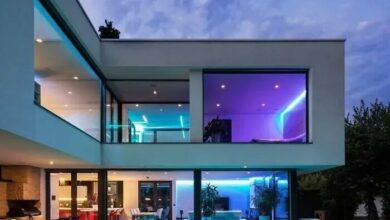
Types of Exterior Lighting
Exterior lighting ideas – Exterior lighting serves both functional and aesthetic purposes, enhancing the safety and beauty of outdoor spaces. With a variety of types available, homeowners can choose lighting solutions that meet their specific needs and complement their architectural style. Understanding the different types of outdoor lighting can help in creating a visually appealing and well-lit environment.There are several types of exterior lighting, each with distinct benefits and ideal applications.
Below are some prominent types of outdoor lighting, along with examples of popular styles in each category.






Wall Sconces
Wall sconces are fixtures mounted on exterior walls, providing illumination while adding character to the façade of a home. They are effective for highlighting entryways and corridors, ensuring that pathways are safely lit while enhancing the overall curb appeal.
- Benefits: Wall sconces create a warm, inviting atmosphere and can act as decorative elements.
- Popular Styles: Lantern-style sconces, modern geometric designs, and rustic wrought iron options are widely favored.
Path Lights
Path lights are low-height fixtures designed to illuminate walkways and garden paths. They guide guests safely through outdoor spaces and can also accentuate landscaping features.
- Benefits: Path lights improve safety by illuminating walkways while highlighting plants and garden features.
- Popular Styles: Solar-powered stakes, contemporary bollard lights, and vintage lanterns are common choices.
Spotlights
Spotlights are adjustable fixtures that provide focused beams of light, making them ideal for highlighting specific features such as trees, sculptures, or architectural details.
- Benefits: Spotlights enhance the visual interest of outdoor spaces and can create dramatic effects at night.
- Popular Styles: LED floodlights, adjustable garden spotlights, and outdoor track lighting are frequently used.
String Lights
String lights consist of multiple bulbs strung along a cable, creating a whimsical and festive ambiance. They are perfect for patios, decks, or outdoor gatherings.
- Benefits: String lights offer a casual and inviting atmosphere, making outdoor spaces more enjoyable.
- Popular Styles: Edison bulb strings, globe lights, and fairy light designs are popular for festive occasions.
Post Lights
Post lights are mounted on tall posts and are often used to illuminate driveways or large open spaces. They provide significant illumination and can act as decorative features.
- Benefits: Post lights enhance visibility and add architectural interest to landscaping.
- Popular Styles: Classic New England-style lanterns, modern sleek designs, and solar-powered options are commonly seen.
Utilizing various types of exterior lighting can greatly enhance both the functionality and aesthetic appeal of outdoor spaces, ensuring safety while creating an inviting atmosphere.
Energy-Efficient Lighting Solutions
Energy-efficient lighting solutions are transforming the way we illuminate our outdoor spaces. Not only do these options help in reducing our carbon footprint, but they also provide significant savings on electricity costs over time. This section will delve into popular energy-efficient lighting options, their benefits, and how they compare in terms of longevity and maintenance.
LED Lighting Options
LED (Light Emitting Diode) lights are one of the most popular energy-efficient lighting options available today. These fixtures use up to 80% less energy than traditional incandescent bulbs, making them an economical choice for outdoor lighting. The initial investment may be higher, but the long-term savings on electricity bills are substantial.
- Average lifespan of LED lights can reach up to 25,000 hours or more, compared to just 1,000 hours for incandescent bulbs.
- LED fixtures generate less heat, which not only enhances safety but also reduces cooling costs in warmer months.
- They require minimal maintenance due to their long lifespan, meaning fewer replacements over time.
Switching to LED lighting can save homeowners an average of $100 per year in energy costs.
Solar Lighting Solutions
Solar lights are another excellent energy-efficient option, especially for outdoor use. These fixtures harness sunlight during the day to power LED bulbs at night, offering a completely off-grid lighting solution.
- Solar lights do not require any wiring, making installation easy and cost-effective.
- They are reliable in areas with ample sunlight, and advancements in technology have improved their performance even on cloudy days.
- The average lifespan of solar lights is around 5 to 10 years, depending on the quality of the product and battery maintenance.
Solar lighting can reduce electricity consumption to zero in outdoor areas, leading to significant savings over time.
Comparative Longevity and Maintenance
When selecting energy-efficient lighting options, it’s important to consider the longevity and maintenance requirements of each type.
- LED lights, with their extended lifespan, require less frequent replacements, thus minimizing waste and maintenance costs.
- Solar lights typically require battery replacements every few years, but most of the fixtures are designed for easy access, simplifying maintenance.
- Both options are generally more durable than traditional incandescent bulbs, resisting harsh weather conditions and reducing the likelihood of burnout.
Investing in energy-efficient lighting is not just beneficial for the environment; it also leads to long-term financial savings.
Lighting for Security and Safety
Source: recolux-lighting.com
Exterior lighting plays a crucial role in enhancing the security and safety of your home. Well-lit areas deter potential intruders and provide a sense of comfort and security for residents and visitors alike. By strategically placing lights around your property, you can significantly enhance visibility and reduce dark spots where unwanted activities may occur.Properly illuminated spaces not only protect your home from burglaries but also reduce the risk of accidents by helping people navigate safely around your property.
Areas that require adequate lighting for safety include driveways, walkways, entrances, and any secluded areas that may be more vulnerable to trespassers.
Areas Requiring Adequate Lighting
Identifying specific areas that need sufficient lighting is essential for both security and safety. Below are critical zones that should be well-lit:
- Entrances and Doorways: Front and back doors should be illuminated to provide clear visibility and deter trespassers.
- Driveways: Bright lighting along driveways ensures safe navigation for vehicles and pedestrians, minimizing the risk of accidents.
- Walkways: Pathways leading to your home should be adequately lit to prevent slips and falls, especially during nighttime.
- Garages and Sheds: These areas should be secured and well-lit to prevent unauthorized access and to allow for safe entry and exit.
- Yard Perimeters: Lighting around the edges of your property enhances visibility and can act as a deterrent for intruders.
Strategies for Selecting Motion-Sensor Lights and Security Floodlights
Choosing the right lighting solutions for security involves understanding the types of lights available and their specific functionalities. Motion-sensor lights and security floodlights are effective options that can enhance safety around your property.When selecting motion-sensor lights, consider the following strategies:
- Detection Range: Opt for lights with a wide detection range to cover as much area as possible, ideally 30 feet or more.
- Adjustable Sensitivity: Choose lights that allow you to adjust sensitivity to prevent false triggers from animals or passing cars.
- Durability: Ensure that the lights are weather-resistant, especially if installed outdoors, to withstand various weather conditions.
- Energy Efficiency: Look for LED options which consume less power and have a longer lifespan than traditional bulbs.
For security floodlights, keep these factors in mind:
- Brightness Level: Select floodlights with high lumens output to ensure maximum visibility around the property.
- Wattage and Energy Use: Energy-efficient LED floodlights provide ample illumination while keeping electricity costs low.
- Installation Height: Install floodlights at an appropriate height to cover larger areas without being easily accessible to tampering.
- Lighting Patterns: Consider floodlights that allow for adjustable angles to focus on critical areas like entrances and corners.
Effective exterior lighting is a fundamental aspect of home security, ensuring protection and safety for residents and visitors alike.
Creating Ambiance with Exterior Lighting
Creating a cozy atmosphere in outdoor spaces can transform your yard, patio, or balcony into an inviting retreat. The right exterior lighting can enhance the features of your landscape, making it a perfect spot for gatherings or a quiet evening under the stars. By utilizing various types of lighting, you can set the mood, whether it’s for a festive occasion or a romantic dinner outdoors.To effectively create ambiance, layering different types of lighting is essential.
This technique involves combining ambient, task, and accent lighting to achieve a well-balanced and versatile illumination scheme. Ambient lighting provides overall illumination, while task lighting focuses on specific areas, and accent lighting highlights architectural features or landscaping.
Methods for Layering Different Types of Lighting
Employing a mix of lighting types allows for greater depth and versatility in your outdoor spaces. Here are a few methods to consider:
- Ambient Lighting: Use soft fixtures such as string lights or lanterns hanging from trees or overhead structures. These lights create a warm glow that fills the space without being overpowering.
- Task Lighting: Incorporate lights that serve specific functions, like path lights or recessed lighting on decks. These are crucial for safety and usability while also contributing to the overall aesthetic.
- Accent Lighting: Highlight special features like sculptures, textured walls, or beautiful plants with spotlights or well lights. This adds drama and interest to your outdoor areas.
Layering these different lighting types not only enhances the beauty of your space but also allows you to adapt the atmosphere to different occasions.
Themed Outdoor Lighting Ideas
Themed outdoor lighting can elevate your gatherings and celebrations. Here are some inspiring ideas to create themed atmospheres:
- Festive Lighting: For a party or holiday celebration, use bright colored string lights or festive lanterns. Incorporate elements like themed projections (e.g., snowflakes for winter), or even lighted garlands to add a cheerful touch.
- Romantic Setup: Create a serene and intimate ambiance using soft, warm white lights. Consider using candles or solar-powered lanterns placed on tables. Drape sheer fabrics to diffuse light and add elegance.
- Garden Party Theme: Combine fairy lights wrapped around trees with glowing orbs placed strategically on the ground. This whimsical setup encourages an enchanting garden atmosphere, perfect for entertaining.
By tailoring your lighting to specific themes, you can easily shift the mood of your outdoor space, making it suitable for various occasions and experiences.
Landscape Lighting Techniques
Landscape lighting is an essential component of outdoor design that enhances the beauty and functionality of gardens, yards, and patios. By employing various lighting techniques, homeowners can create stunning visual effects that highlight architectural features, natural elements, and outdoor living spaces. Effective landscape lighting not only improves the aesthetic appeal but also adds a layer of safety and usability to outdoor areas after dark.
Here, we will explore some of the most popular landscape lighting techniques, discussing their effects on aesthetics and their suitability for different garden styles.
Uplighting Techniques
Uplighting involves placing light fixtures on the ground and directing the light upwards to illuminate trees, shrubs, and architectural features. This technique creates dramatic shadow effects and highlights textures and forms that might otherwise go unnoticed. Uplighting is particularly effective for tall trees or structures, where the light can create a majestic silhouette against the night sky.
Aesthetic Impact
Uplighting enhances the verticality of plants and structures, adding depth and dimension to your landscape. It can also create a mystical ambiance in gardens, especially when used to highlight the unique shapes of trees or ornamental features.
Best Suited For
This technique works wonderfully in formal gardens with tall trees, contemporary spaces with modern sculptures, or traditional settings with well-defined architectural elements.
Downlighting Techniques
Downlighting, also known as moonlighting, involves positioning lights above the area to cast light downward, mimicking the natural light of the moon. This technique is often used to illuminate pathways, patios, and seating areas, creating a soft, ambient glow that is both inviting and functional.
Aesthetic Impact
Downlighting provides a natural look, enhancing the beauty of the landscape while ensuring safety in walking areas. It is effective for creating a cozy atmosphere in outdoor dining or gathering spaces, allowing for intimate conversations under the stars.
Best Suited For
This technique is ideal in casual gardens, property entrances, and outdoor living areas where a warm, inviting environment is desired.
Moonlighting Techniques, Exterior lighting ideas
Moonlighting is a specific form of downlighting that involves placing fixtures high in trees to create a soft, diffused light effect, simulating the principles of natural moonlight. This technique not only illuminates large areas but also casts gentle shadows that add a serene quality to the landscape.
Aesthetic Impact
The ethereal quality of moonlighting enhances the natural elements of the garden, creating a dreamlike atmosphere that is particularly enchanting for nighttime entertainment. The subtle illumination helps to highlight features like flower beds and water elements while maintaining a tranquil ambiance.
Best Suited For
Moonlighting is particularly effective in wooded areas, rustic gardens, and landscapes with water features, where a soft, ethereal glow can create a magical setting.
Comparison of Techniques Across Garden Styles
Different landscape lighting techniques can significantly influence the overall feel and functionality of a garden, depending on the style and layout. Below is a comparative overview of how uplighting, downlighting, and moonlighting can be applied effectively in various garden styles:
| Garden Style | Uplighting | Downlighting | Moonlighting |
|---|---|---|---|
| Formal Garden | Effective for highlighting symmetrical shapes. | Used to illuminate pathways and seating areas. | Not commonly used due to a desire for crisp lines. |
| Contemporary Garden | Highlights modern sculptures and architectural features. | Provides ambient light in lounge areas. | Can create unique shadow effects on hardscapes. |
| Rustic Garden | Enhances natural elements like trees and stone walls. | Illuminates seating areas with a cozy feel. | Creates a magical atmosphere among wooded areas. |
| Tropical Garden | Accentuates palm trees and vibrant foliage. | Ideal for illuminating paths and outdoor dining. | Provides a soft light effect that complements lush greenery. |
Smart Lighting Options for Outdoor Spaces: Exterior Lighting Ideas
Smart lighting is revolutionizing how we illuminate our outdoor areas. By integrating technology into your exterior lighting systems, you can enhance convenience, energy efficiency, and security while adding a touch of modernity to your home’s exterior. Smart lighting goes beyond manual switches, allowing homeowners to control their outdoor lights with ease and precision.The benefits of smart lighting systems in outdoor areas include energy savings, enhanced security, and customizable lighting scenarios.
With the ability to control lighting remotely via smartphones or voice commands, you can adjust your outdoor lights based on your needs and preferences. Moreover, smart lighting can provide added security by simulating occupancy when you are away, deterring potential intruders.
Automation and Programming of Outdoor Lighting
Automating your outdoor lighting can significantly improve your lifestyle. Setting schedules for your lights to turn on and off at specific times ensures your home is well-lit when you need it while conserving energy when you don’t.Consider the following features for effective automation:
- Scheduling: Program your lights to turn on at sunset and off at sunrise or during specific hours.
- Motion Sensors: Use sensors that trigger lights upon detecting movement, perfect for pathways or entrances.
- Geofencing: This technology uses your smartphone’s location to turn on lights when you arrive home.
- Weather Conditions: Some smart lighting systems can adjust based on weather, ensuring lights are only activated during inclement weather.
Compatibility with Home Automation Systems
Smart outdoor lighting systems often integrate seamlessly with existing home automation platforms, allowing for a cohesive smart home experience. Compatibility with systems like Google Home, Amazon Alexa, or Apple HomeKit enables you to control your lights using voice commands or through dedicated apps.Key compatibility features include:
- Voice Control: Use smart speakers or devices to control your outdoor lights hands-free.
- Centralized Control: Manage all your smart devices, including lighting, from a single app for convenience.
- Integration with Security Systems: Your outdoor lights can work in conjunction with security cameras and alarms for enhanced safety.
- Remote Access: Control your lights from anywhere, providing peace of mind when you’re away from home.
“Smart lighting not only enhances the aesthetic appeal of outdoor spaces but also elevates security and energy efficiency, truly transforming your home.”
DIY Exterior Lighting Projects
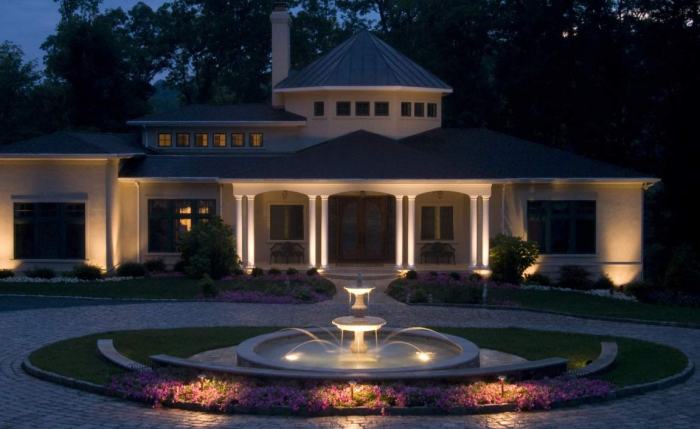
Source: outdoorlightingexpressions.com
Creating your own exterior lighting fixtures can be a rewarding way to enhance your outdoor space while adding a personal touch. DIY projects not only save money but also allow you to customize your lighting according to your style and needs. In this section, we will explore various simple projects, the materials required, and step-by-step instructions to help you successfully add charm and illumination to your outdoor areas.
Creating Custom Outdoor Lighting Fixtures
Making your own outdoor lighting can be both fun and functional. Here are some appealing projects that can elevate your outdoor ambiance without breaking the bank.
- Mason Jar Lanterns: A rustic and charming option, these lanterns can be hung from trees or placed along pathways. All you need are mason jars, LED tea lights, wire, and hooks.
- Pallet Wood Lights: If you have old pallets, they can be transformed into unique wall-mounted or freestanding light fixtures. Simply cut the pallet into your desired shape, add string lights, and secure them in place.
- Solar Bottle Lights: Recycle plastic bottles into creative light sources. Fill a clear bottle with solar-powered fairy lights, and place them in your garden for a magical glow at night.
Materials Needed for Various DIY Lighting Projects
Choosing the right materials is crucial for the success of your projects. Below are some essential items to consider for your DIY exterior lighting efforts.
- Light Sources: Options include LED bulbs, solar lights, or battery-operated tea lights.
- Containers: Use mason jars, glass bottles, or wood crates depending on the project.
- Hanging Mechanisms: Wire, hooks, or chains are effective for suspension purposes.
- Outdoor Electrical Supplies: For wired projects, ensure you have weatherproof wiring and connectors.
Examples of Simple Projects to Enhance Outdoor Spaces
Even small DIY projects can make a significant impact. Consider these budget-friendly ideas to illuminate your outdoor areas.
- Pathway Lights: Stick solar lights along your walkway for easy visibility and safety.
- String Light Canopy: Drape string lights overhead to create a cozy atmosphere for outdoor gatherings.
- Tabletop Lanterns: Use simple lantern designs on dining tables for an inviting glow during evening meals.
DIY exterior lighting projects not only improve the aesthetic of your space but also enhance safety and functionality.
Seasonal Considerations for Exterior Lighting

Source: tshirtdesigns.com
Adapting exterior lighting designs to match the seasons is essential for enhancing the aesthetic and functional aspects of outdoor spaces. Each season brings unique opportunities to showcase your home and landscape through thoughtful lighting choices. Whether it’s a cozy winter glow or festive holiday decorations, seasonal lighting can dramatically transform your outdoor experience.To effectively adapt your lighting design across seasons, consider both the aesthetic and functional needs of your outdoor area.
Integrating seasonal themes can enhance the visual appeal while ensuring your lighting continues to serve its primary purpose, such as safety and security. Here are some key factors to consider for seasonal lighting:
Adapting Lighting Designs for Different Seasons
Understanding how to modify your lighting setup for seasonal changes can greatly enhance your outdoor ambiance. Here are tailored suggestions for each season:
- Spring: As nature comes back to life, utilize soft and warm lighting to highlight blooming flowers and vibrant greenery. Consider string lights or lanterns to create a cheerful atmosphere for outdoor gatherings.
- Summer: Longer daylight hours allow for more outdoor activities. Use bright, focused lights around seating areas and pathways to enhance safety while enjoying summer nights. Adding solar lights along walkways can be an energy-efficient option.
- Autumn: Embrace autumn colors by using warm-toned lights. Incorporate accent lighting to illuminate fall decorations and pumpkins, creating a cozy atmosphere. Low-voltage landscape lights can highlight trees and shrubs with stunning fall foliage.
- Winter: With shorter days, opt for effective illumination that ensures safety and visibility. Consider using cooler white lights or festive colored lights to create a winter wonderland effect around your home.
Festive Lighting for Holidays and Special Occasions
Holiday seasons provide a perfect opportunity to showcase creativity through exterior lighting. Using festive lighting can make your home stand out within the community. Here are some effective ideas for special occasions:
- Christmas: Wrap lights around trees, roofs, and railings, creating a magical glow. Use icicle lights hanging from eaves for a whimsical touch.
- Halloween: Incorporate orange and purple lights to create a spooky atmosphere. Use spotlights to highlight decorations or pathways to guide trick-or-treaters.
- Fourth of July: Utilize red, white, and blue string lights to celebrate Independence Day. Firework-inspired lighting can add a festive flair to your outdoor space.
- New Year’s Eve: Use dramatic lighting to set the mood for celebrations. Consider incorporating glittering lights that reflect off outdoor surfaces for a festive feel.
Maintenance Tips for Outdoor Lighting in Varying Weather Conditions
Proper maintenance of outdoor lighting is crucial to ensure longevity, especially as weather conditions change throughout the year. Here are some essential maintenance tips:
- Check Fixtures: Regularly inspect fixtures for signs of wear or damage due to weather, especially after storms or heavy snow.
- Clean Lenses: Keep the lenses of your outdoor lights clean to ensure maximum brightness and visibility. Dust, dirt, and ice can hinder performance.
- Protect Wiring: Ensure all wiring is secured and protected from moisture and extreme temperatures. Use weatherproof junction boxes where necessary.
- Test Functionality: Regularly test all lighting fixtures to ensure they are functioning properly, replacing bulbs as needed to maintain consistent illumination.
“The right seasonal lighting can elevate the beauty of your home’s exterior while providing safety and functionality throughout the year.”
Conclusive Thoughts
In summary, integrating effective exterior lighting ideas not only enhances the aesthetic appeal of your outdoor spaces but also improves safety and security. By selecting the right fixtures and planning your layout carefully, you can create an environment that is both functional and inviting. Whether you opt for modern solar lights, traditional sconces, or ingenious DIY projects, the possibilities are endless and can truly elevate your home’s exterior.
User Queries
What types of exterior lighting are best for security?
Motion-sensor lights and security floodlights are highly effective for enhancing home security by illuminating areas when movement is detected.
How can I make my outdoor lighting energy-efficient?
Opt for LED or solar-powered lights, as they consume less energy and have longer lifespans compared to traditional bulbs.
What’s the best way to create ambiance with outdoor lighting?
Use a combination of layered lighting techniques, such as ambient, task, and accent lighting, to create a warm and inviting atmosphere.
How do I maintain my exterior lighting during winter?
Regularly check for snow or ice build-up on fixtures and ensure that all lights are functioning properly to avoid any hazards.
Can I use smart lighting outdoors?
Yes, many smart lighting systems are designed for outdoor use and can be integrated with home automation systems for added convenience.