Types of Exterior Cladding Materials
Source: kerranestorz.com



Exterior cladding materials play a crucial role in protecting buildings from the elements while also enhancing their aesthetics. With a variety of options available, each type has its unique characteristics, benefits, and drawbacks. Understanding these materials can help property owners make informed decisions based on their specific needs and preferences.The market offers several types of exterior cladding materials, ranging from traditional options to modern innovations.
Each material varies in terms of durability, cost, and appearance, making it essential to assess their properties before making a choice. Below is a comparison table highlighting key properties of different cladding materials.
Comparison of Cladding Materials
The table below summarizes the properties of common exterior cladding materials, facilitating a quick comparison for better decision-making.
| Material | Durability | Aesthetics | Cost |
|---|---|---|---|
| Brick | High | Classic, versatile | Moderate to high |
| Vinyl | Moderate | Variety of colors, textures | Low to moderate |
| Wood | Moderate | Natural, warm | Moderate to high |
| Fiber Cement | High | Stylish, customizable | Moderate |
| Stucco | Moderate | Elegant, textured | Low to moderate |
| Metal | Very high | Modern, sleek | High |
Brick Cladding
Brick cladding is a popular choice, known for its strength and longevity. Typically made from fired clay, bricks offer excellent insulation and resistance to fire and weather damage. The classic look of brick can enhance the architectural appeal of a building, making it an aesthetically pleasing option. However, the cost can be on the higher side, and installation can be labor-intensive.
Vinyl Cladding
Vinyl cladding is lightweight and easy to maintain, making it a favorite among homeowners. It comes in various colors and textures, allowing for creative freedom in design. While it is one of the most affordable options, its durability is moderate, and it may not withstand extreme weather conditions as well as other materials.
Wood Cladding
Wood cladding provides a natural look and adds warmth to any structure. It’s available in several species, each offering distinct visual characteristics. However, wood requires regular maintenance to prevent rot and insect damage. The initial cost can be moderate to high, depending on the type of wood selected.
Fiber Cement Cladding
Fiber cement cladding combines cement, sand, and cellulose fibers, resulting in a durable and versatile material. It can mimic the appearance of wood or stucco, providing design flexibility. Fiber cement is resistant to fire and insects, offering long-term durability, yet its cost is typically moderate.
Stucco Cladding
Stucco is a cement-based material that can create beautiful, textured finishes. It is cost-effective and can be applied in various styles, enhancing the visual appeal of buildings. However, stucco’s durability is moderate, and it can crack over time, requiring repairs.
Metal Cladding
Metal cladding, often made from aluminum or steel, is known for its exceptional durability and modern aesthetic. It is resistant to fire and pests, making it a low-maintenance choice. However, the initial costs can be high, and it may require specific insulation to manage temperature fluctuations effectively.
“Each cladding material presents unique advantages and disadvantages, making it essential to choose based on individual project requirements and aesthetic desires.”
Factors Influencing the Choice of Cladding Materials
Selecting the right exterior cladding materials for a building project involves considering a variety of factors. These factors can significantly affect not only the aesthetic appeal of the structure but also its durability and performance over time. Understanding these influences can lead to more informed decisions that align with both functional requirements and design aspirations.Several key aspects determine the selection of cladding materials, including the environmental conditions, building codes, and aesthetic preferences.
Each factor plays a crucial role in ensuring that the chosen cladding is suitable for the specific project and will withstand the test of time.
Environmental Factors Affecting Cladding Choices
Environmental conditions such as climate and location are pivotal in influencing the selection of cladding materials. Understanding these factors helps ensure that the cladding will perform optimally in its specific setting. Below are some critical environmental considerations:
- Climate: The local climate, whether it’s hot, cold, humid, or dry, greatly impacts material durability and choice. For instance, homes in coastal areas may require materials that resist corrosion and moisture, such as fiber cement or treated wood.
- Rainfall: High rainfall areas may benefit from cladding materials designed to handle water drainage effectively, like metal or vinyl, which can prevent water damage.
- Temperature Fluctuations: Locations with significant temperature changes may require materials that can expand and contract without losing structural integrity, such as brick or stone.
- Sun Exposure: Areas with extreme sun exposure may need materials that are resistant to fading and UV degradation, such as acrylic or UV-stabilized vinyl.
- Wind Loads: In high-wind zones, cladding must be able to withstand strong gusts, leading to the selection of materials such as metal panels or reinforced wood.
Building Codes and Regulations Influencing Cladding Material Selection
Building codes and regulations are established to ensure safety, sustainability, and energy efficiency in construction. They can dictate various aspects of cladding material selection, including fire ratings, insulation values, and structural requirements. Compliance with these regulations is essential for legal approval and safety.
“Adhering to local building codes not only ensures safety but can also enhance the long-term performance of a building.”
For example, in many regions, fire codes may require non-combustible materials for residential buildings located near wildland-urban interfaces. As such, materials like stucco or fiber cement boards may be mandated to reduce fire hazards. Similarly, energy efficiency standards may push for insulated cladding systems that contribute to the overall thermal performance of the building, ultimately leading to reduced energy costs.In summary, selecting cladding materials involves a careful assessment of environmental factors and compliance with building codes.
By understanding these influences, one can make choices that not only enhance the appearance of a building but also ensure its resilience and longevity against various external challenges.
Installation Procedures for Exterior Cladding
Exterior cladding installation is a critical process that not only enhances the aesthetic appeal of a building but also provides insulation and protection against the elements. Understanding the installation steps for various cladding materials ensures that the job is done efficiently and safely, minimizing risks and maximizing durability.
Step-by-Step Guide to Installation
Here is a detailed step-by-step guide for installing popular cladding materials such as vinyl, wood, and fiber cement. Each material has unique characteristics, thus requiring specific installation techniques.
Vinyl Cladding Installation
1. Preparation
Ensure the wall surface is clean, dry, and free of any debris. Inspect for any damage that needs repair.
2. Installation of Furring Strips
Attach furring strips to the wall for better support, especially if the surface is uneven.
3. Starter Strip
Install a starter strip at the bottom of the wall to provide a level base for the first panel.
4. Panel Installation
Begin placing the vinyl panels from left to right, locking the panels into the starter strip. Use a level to maintain alignment.
5. Cutting Panels
Use a utility knife or snips to cut panels to fit at corners or around windows.
6. Finishing Touches
Install the last panel, ensuring it fits tightly against the trim. Secure with the appropriate fasteners.
Wood Cladding Installation
1. Surface Preparation
Like vinyl, ensure the surface is free from contaminants, and repair any damage prior to installation.
2. Moisture Barrier
Apply a moisture barrier to protect against water infiltration.
3. Furring Strips or Sheathing
Depending on the design, either install furring strips or a sheathing material.
4. First Board Placement
Start with the first board at the bottom, securing it with nails at the appropriate spacing.
5. Nailing
Continue nailing boards up the wall, maintaining a consistent spacing pattern.
6. Sealing
Use sealant at joints and edges to protect against moisture.
Fiber Cement Cladding Installation
1. Wall Preparation
Ensure the wall is clean and dry, similar to other materials.
2. Water-Resistant Barrier
Install a water-resistant barrier to protect the wall from moisture.
3. Install Trim
Place trim boards around doors and windows before installing fiber cement panels.
4. Panel Installation
Begin from the bottom up, using screws to attach panels to the wall frame.
5. Spacing
Maintain a uniform gap between panels to allow for expansion and contraction.
6. Finishing
Apply caulk or paint to complete the look and provide additional protection.
Safety Measures and Best Practices
Safety should be a top priority during the installation of exterior cladding. Here are essential safety measures and best practices to ensure a secure working environment:
1. Personal Protective Equipment (PPE)
Always wear appropriate PPE, including gloves, safety glasses, and hard hats.
2. Ladder Safety
Ensure ladders are stable and placed on a flat surface. Never overreach; move the ladder as needed.
3. Tool Safety
Inspect tools before use to ensure they are in good working condition. Follow manufacturer instructions for equipment operation.
4. Handling Materials
Use proper lifting techniques to avoid injury when handling heavy cladding materials.
5. Weather Considerations
Avoid installation during adverse weather conditions, as this can compromise safety and material integrity.
Tools and Materials Checklist
Having the right tools and materials is vital for a successful cladding installation. Below is a checklist to guide you through the essentials necessary for the task.
Tools
Hammer or nail gun
Utility knife
Screwdriver or power drill
– Level
Measuring tape
Safety goggles
Ladder –
Materials
Cladding panels (vinyl, wood, or fiber cement)
Fasteners (nails, screws)
Moisture barrier
Caulk or sealant
Trim boards (if needed)
By adhering to these installation procedures, safety measures, and using the necessary tools and materials, the process of installing exterior cladding can be efficient and effective, resulting in a durable and attractive finish.
Maintenance Requirements for Different Cladding Materials
Exterior cladding materials offer a variety of aesthetics and functional benefits, but they come with differing maintenance requirements. Understanding how to care for these materials can prolong their lifespan and maintain the appearance of your property over time. The maintenance needs often depend on the material’s durability, climate conditions, and installation quality.Different cladding materials require specific handling and maintenance routines to keep them in top shape.
Regular maintenance not only preserves their visual appeal but also protects them from potential damage caused by weather elements, pests, or mold. Below is a comparison of the maintenance frequency and methods for various cladding materials.
Maintenance Frequency and Methods
The table below Artikels the general maintenance requirements associated with various exterior cladding materials. It emphasizes the frequency of upkeep needed and the recommended methods for each type.
| Cladding Material | Maintenance Frequency | Maintenance Methods |
|---|---|---|
| Wood | Annually | Inspect for rot, repaint or stain if necessary, and clean debris. |
| Vinyl | Every 2-3 years | Wash with soap and water, check for cracks or warping. |
| Fiber Cement | Every 5-10 years | Inspect for chipping, repaint if necessary, and clean with a pressure washer. |
| Brick | Every 5-10 years | Inspect mortar joints, clean with a mild detergent, and check for efflorescence. |
| Stone | Every 10 years | Seal the surface, check for cracks, and clean with appropriate stone cleaner. |
Regular maintenance is crucial for ensuring the longevity of your exterior cladding. Here are some practical tips for prolonging the lifespan of your cladding materials:
-
Conduct routine inspections at least twice a year to identify any issues early.
- Keep gutters and downspouts clear to prevent water damage and ensure proper drainage.
- Apply protective coatings or sealants as recommended for specific materials to guard against moisture and UV damage.
- Trim back vegetation and avoid direct contact with cladding materials to reduce organic growth and moisture retention.
- Engage professionals for repairs or maintenance tasks that exceed basic cleaning to ensure proper handling and longevity.
Trends in Exterior Cladding Design
The landscape of exterior cladding design is continuously evolving, driven by advancements in technology, changing aesthetic preferences, and increasing environmental considerations. Contemporary architecture showcases a fascinating blend of innovative materials and designs, reflecting both functionality and style. Today’s trends highlight not only the visual appeal of buildings but also their energy efficiency and sustainability.Aesthetic aspects of exterior cladding are becoming increasingly diverse, with architects and designers exploring various materials and finishes to create distinctive looks.
The integration of natural elements is particularly popular, with wood and stone being frequently used to give buildings a more organic feel. Additionally, the use of bold colors and unique textures is on the rise, allowing for customization and personalization of spaces.
Innovative Cladding Materials and Designs
The current market offers an array of innovative materials that push the boundaries of traditional cladding. These materials not only enhance the visual appeal of structures but also contribute to their functional performance. Some noteworthy trends include:
- Composite Materials: Combining multiple materials, such as wood and plastic, composite cladding offers durability and low maintenance while mimicking the natural aesthetics of timber.
- Metal Cladding: Aluminum and corten steel are gaining traction for their sleek appearance and weather resistance. They can be treated to develop a unique patina over time, adding character to the building.
- Glass Panels: Large glass panels are increasingly used for facades, allowing natural light to flood interior spaces and creating a seamless connection with the outdoors.
- Green Walls: Vertical gardens or living walls are becoming a prominent feature, integrating plant life into the building’s exterior, improving air quality, and enhancing aesthetics.
The influence of technology on cladding materials and designs cannot be overstated. Advanced manufacturing processes, like 3D printing, have opened up new possibilities for customization and unique geometries. Moreover, smart materials that can adapt to environmental conditions are emerging, providing enhanced insulation and energy efficiency. For instance, photochromic materials change color in response to sunlight, which can reduce heat absorption, contributing to a building’s energy-saving capabilities.
“Today’s cladding solutions combine aesthetics with cutting-edge technology, making buildings not just structures, but expressions of innovation and sustainability.”
By embracing these trends in exterior cladding design, architects and builders are not only redefining building aesthetics but also making significant strides towards more sustainable and efficient architectural practices. The continual evolution of materials and designs reflects a growing commitment to creating spaces that are not only visually appealing but also environmentally responsible.
Environmental Impact of Cladding Materials
Source: kerranestorz.com
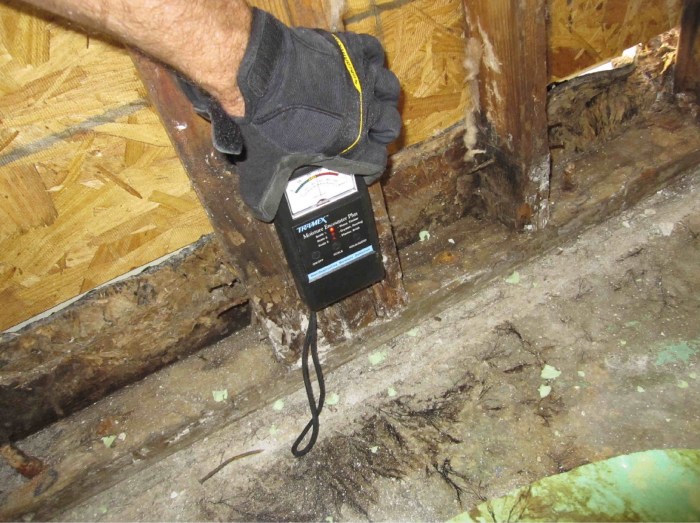
The choice of exterior cladding materials extends beyond aesthetics and functionality; it has significant implications for environmental sustainability. As awareness grows regarding climate change and resource depletion, the construction industry is increasingly prioritizing eco-friendly options. This segment explores the environmental impact of various cladding materials, focusing on sustainability and responsible practices.When selecting cladding materials, understanding their sustainability aspects is vital.
Many traditional cladding materials can have detrimental effects on the environment, from high carbon emissions during production to challenges in disposal at the end of their life cycle. Conversely, sustainable materials offer benefits such as reduced energy consumption in manufacturing and the potential for recycling.
Eco-Friendly Cladding Options and Benefits
There are several eco-friendly cladding options that not only address environmental concerns but also enhance the visual appeal and durability of buildings. Below is a list of sustainable cladding materials along with their benefits:
- Wood: Sourced from sustainably managed forests, wood is biodegradable and offers excellent insulation properties.
- Recycled Metal: Using recycled aluminum or steel reduces energy use and minimizes waste, while providing a long-lasting exterior.
- Fiber Cement: Made from a mix of wood fibers, cement, and sand, fiber cement is durable, fire-resistant, and can be produced with lower embodied energy.
- Bamboo: A rapidly renewable resource, bamboo is lightweight yet strong, making it an ideal cladding choice for sustainability enthusiasts.
- Reclaimed Wood: Utilizing reclaimed wood reduces deforestation and adds character to buildings, making each structure unique.
- Green Walls: Incorporating living plants into cladding can improve air quality, provide insulation, and reduce heat island effects in urban areas.
The benefits of these materials extend beyond their immediate environmental impacts; each option contributes to a holistic approach to sustainable construction practices.
Recycling Options for Old Cladding Materials, Exterior cladding materials
Renovations provide an excellent opportunity to consider recycling old cladding materials rather than discarding them as waste. Many traditional cladding materials can be repurposed or recycled, reducing landfill contributions and promoting a circular economy. For instance, metal cladding can often be melted down and remade into new products, while wood cladding can be reclaimed for furniture or decorative elements. Concrete and brick can be crushed to create aggregates for new construction.
By actively choosing to recycle, homeowners and builders can significantly lessen their environmental footprint.The ongoing trend towards sustainability in construction highlights the importance of considering the life cycle of materials. As regulations evolve and sustainability becomes a priority, the industry is likely to see more innovations in the recycling and reuse of cladding materials, further enhancing their eco-friendliness.
Cost Considerations for Cladding Projects
Source: wixstatic.com
When planning an exterior cladding project, understanding the cost implications is crucial. The expenses involved in cladding can vary significantly based on the materials selected, the size and complexity of the installation, and the region in which the project is located. This section explores the cost breakdown associated with various exterior cladding materials, providing insights into both initial costs and long-term value.
Cost Breakdown of Cladding Materials
Different cladding materials come with their own price tags, influencing overall project budgets. Here’s a detailed breakdown of commonly used exterior cladding materials and their associated costs per square foot:
- Vinyl Siding: $2 – $7 per square foot
- Wood Siding: $3 – $9 per square foot
- Fiber Cement: $5 – $10 per square foot
- Brick: $5 – $15 per square foot
- Stone Veneer: $10 – $20 per square foot
- Metal Panels: $7 – $15 per square foot
Understanding these costs helps in formulating a realistic budget and selecting materials that align with financial constraints while meeting aesthetic and functional requirements.
Comparative Costs and Long-term Value
When weighing the options for cladding materials, it’s critical to consider not only the initial installation costs but also the long-term value. The following table summarizes the initial costs and factors affecting long-term value for different cladding options.
| Material | Initial Cost (per sq. ft.) | Long-term Value Factors |
|---|---|---|
| Vinyl Siding | $2 – $7 | Low maintenance, durable, energy-efficient |
| Wood Siding | $3 – $9 | Requires frequent maintenance, but offers high aesthetic appeal |
| Fiber Cement | $5 – $10 | Durable, fire-resistant, excellent lifespan |
| Brick | $5 – $15 | Highly durable, low maintenance, excellent insulation properties |
| Stone Veneer | $10 – $20 | Beautiful but costly, requires professional installation |
| Metal Panels | $7 – $15 | Durable and recyclable, but may require painting |
This comparison highlights that while some materials may have lower initial costs, they could require more maintenance or less durability, impacting long-term financial viability.
Financing Options and Budgeting Tips
Finding the right financing options can ease the financial burden of a cladding project. Many homeowners opt for loans or financing plans, which can help spread out the costs over time. Some potential financing options include:
- Home Equity Loans: Leverage the equity in your home for funding.
- Personal Loans: Unsecured loans with fixed monthly payments.
- Credit Cards: Useful for smaller projects but can incur high-interest rates.
- Government Grants or Subsidies: Research local programs that assist with home improvements.
Budgeting for cladding projects involves more than just the cost of materials. Homeowners should consider:
- Labor costs, which can vary widely depending on the complexity of the project.
- Permits and inspections that may be required based on local building codes.
- Potential unforeseen expenses, which can arise during the installation process.
By accounting for these factors, homeowners can create a comprehensive budget that addresses all aspects of the cladding project, ensuring it stays within financial limits while achieving desired outcomes.
Closing Notes
In conclusion, selecting the appropriate exterior cladding materials is more than just a design choice; it is an investment in the longevity and sustainability of your building. By considering various factors including aesthetics, cost, and environmental impact, you can ensure that your choice not only enhances the visual appeal but also aligns with modern building standards and eco-friendly practices.
FAQ Corner
What are the most popular exterior cladding materials?
The most popular materials include vinyl, wood, fiber cement, brick, and metal, each offering unique benefits and aesthetics.
How do I know which cladding material is right for my project?
Consider factors such as climate, budget, maintenance needs, and design preferences when choosing cladding materials.
Is there a significant difference in insulation properties among cladding materials?
Yes, different materials provide varying levels of insulation, affecting energy efficiency and comfort in the building.
Can I install cladding myself, or should I hire a professional?
While some homeowners may opt for DIY installation, hiring a professional ensures proper installation and adherence to building codes.
What are some eco-friendly cladding options?
Eco-friendly options include reclaimed wood, bamboo, and recycled metal, which are sustainable and reduce environmental impact.