Color Psychology in Home Exterior Paint
Source: williamsprofessionalpainting.com






Home exterior paint colors – Choosing the right color for your home’s exterior is more than just a matter of aesthetics; it’s also deeply tied to color psychology. The colors we select can significantly impact the ambiance of our living space, influence our emotions, and even affect how others perceive our homes. Understanding these psychological effects can aid homeowners in making informed decisions that enhance both the beauty and the value of their properties.Color psychology plays a crucial role in shaping our responses to different environments.
When it comes to home exteriors, colors can evoke specific feelings and create a distinct atmosphere. For instance, warmer colors like red and orange tend to evoke excitement and energy, while cooler shades such as blue and green promote calmness and tranquility. Additionally, the choice of color can influence perceptions of the home from the outside, affecting everything from property value to neighborhood harmony.
Influence of Colors on Perception and Mood, Home exterior paint colors
The selection of exterior paint colors can create a notable impact on how a home is perceived by others and how it makes the inhabitants feel. Below are some popular colors and their associated psychological implications:
- Blue: Often associated with serenity and trust, blue is a popular choice for coastal homes. It can invoke feelings of calmness and stability.
- Green: Representing nature and renewal, green is frequently chosen for its refreshing and restorative qualities. It blends well with natural surroundings.
- Yellow: A cheerful and uplifting color, yellow can create a welcoming atmosphere. It’s often used in sunny locations to reflect warmth and happiness.
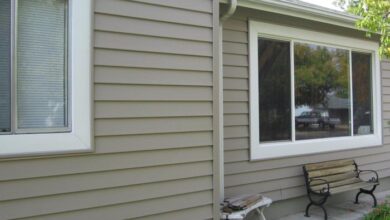
- Gray: A modern and versatile choice, gray can convey sophistication and elegance. It pairs well with various architectural styles.
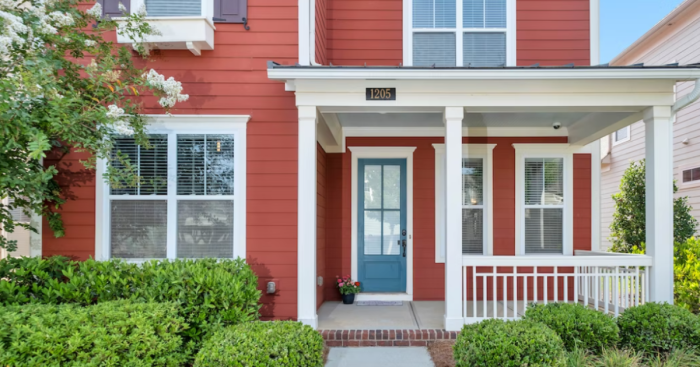
- Red: A bold and vibrant color, red can command attention and evoke strong emotions. It’s often used for accents or doors to make a statement.
Incorporating these colors thoughtfully can enhance both the visual appeal and emotional resonance of a home.
Popular Color Trends and Their Psychological Implications
Understanding current trends in exterior paint colors can provide insight into societal preferences and psychological effects. Some trends and their implications include:
- Earth Tones: Colors like terracotta and muted greens reflect a connection to nature and sustainability, promoting a sense of groundedness and comfort.
- Pastels: Soft hues such as lavender and mint green can evoke nostalgia and warmth, creating an inviting and gentle atmosphere.
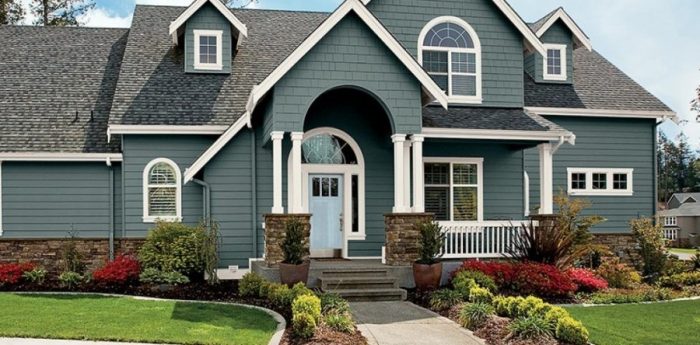
- Bold, Dark Colors: Deep shades like navy or forest green suggest sophistication and elegance, making them ideal for modern urban designs.
- Monochromatic Schemes: Using various shades of a single color can create a cohesive and harmonious look, often conveying a sense of calm and order.
These trends reflect shifting cultural values and preferences, influencing how homes are painted and perceived in different communities.
Colors are powerful tools that can dramatically influence our emotions and the way our homes are perceived.
Choosing the Right Color Scheme
Selecting the ideal color scheme for your home exterior is a crucial step that can significantly enhance your property’s curb appeal. A well-chosen palette not only complements the architectural style but also reflects personal taste and harmonizes with the surroundings. To achieve a cohesive look, it’s essential to consider various factors, including the architectural details, neighborhood aesthetics, and natural features of the landscape.When embarking on the journey of color selection, understanding the architectural style of your home as well as the environment is fundamental.
Different styles, from Victorian to modern, have color schemes that naturally suit them. To create a balanced and inviting exterior, consider how colors interact with each other and their surroundings.
Considering Architectural Style and Surroundings
The architectural style of your home serves as a guiding principle in color selection, aiming for a harmonious balance between the house and its environment. Here are some key points to keep in mind:
- Identify Architectural Features: Take note of elements like trim, shutters, and roofing. These features can influence color choices and should be highlighted or complemented.
Consider how light affects colors, as they may appear differently throughout the day.
- Neighborhood Aesthetics: Observe the colors used in neighboring homes. While you want to stand out, it’s essential to maintain some consistency with nearby properties to ensure your home feels integrated within the community.
- Environmental Considerations: Pay attention to the natural landscape. Colors that mimic or contrast with the surroundings—like earth tones in a wooded area or blues in coastal regions—can enhance the overall aesthetic appeal.
Balancing Bold Colors with Neutral Shades
Finding the right balance between bold and neutral colors can elevate your home’s personality while ensuring it remains visually appealing. Consider these tips to effectively combine these tones:
- Use Bold Colors as Accents: Instead of painting the entire exterior in a bright hue, consider using bold colors for doors, shutters, or trim to create focal points that draw the eye.
- Choose a Dominant Neutral: Select a neutral base color, such as soft whites, grays, or beiges. This sets a calming backdrop that allows bold accents to shine without overwhelming the overall look.
- Test Color Combinations: Before finalizing your palette, test how colors look together on a small section of your home. Consider the lighting at different times of day, as this can significantly alter appearance.
Seasonal Considerations for Exterior Paint: Home Exterior Paint Colors
When selecting exterior paint colors, it is essential to keep in mind the seasonal changes that can significantly impact the appearance and durability of the paint. Different times of the year bring variations in temperature, humidity, and sunlight exposure, all of which can affect how paint looks and performs over time. Choosing the right colors can help maintain the aesthetic appeal of your home throughout the year, ensuring it harmonizes with the changing environment.Changes in seasons can influence the way colors appear, particularly due to varying levels of natural light and weather conditions.
For instance, bright colors may seem more vibrant in the summer sun but could appear muted during overcast winter days. Additionally, extreme weather conditions, including heavy rain, snow, or intense sun exposure, can cause paint to fade, peel, or become damaged. Selecting colors that not only endure these environmental factors but also complement the shifting scenery is crucial for maintaining visual appeal and protecting your investment.
Choosing Colors for Year-Round Appeal
When selecting colors for your home’s exterior, considering their seasonal impact is vital. The following points Artikel how to choose colors that remain attractive regardless of the season:
1. Understand the Color Wheel
Familiarize yourself with warm and cool colors. Warm hues like reds and yellows can create a cozy feel in winter, while cool shades like blues and greens can provide a refreshing look in summer.
2. Consider the Environment
Analyze the natural surroundings of your home. Colors that echo your landscape can create a seamless transition between your house and nature, helping your home look appealing year-round. For instance, earth tones can work well in a wooded area, while coastal homes might benefit from softer blues and whites.
3. Test in Different Lighting
Paint samples on your exterior wall and observe them at various times throughout the day. Morning, noon, and evening light can drastically alter how a color appears, and testing this will help you find a shade that remains consistent in all conditions.
4. Durability of Paint
Invest in high-quality paint products that are formulated to withstand seasonal extremes. Look for products that offer UV protection, mildew resistance, and waterproofing to ensure longevity and maintain color integrity.
5. Accent Colors for Seasonal Changes
Consider using neutral base colors for large areas and adding accent colors that can easily be changed with the seasons. This approach allows you to refresh the look of your home without committing to a complete repaint.
“A well-chosen color scheme can enhance your home’s curb appeal and create a welcoming entrance throughout the year.”
By taking these factors into account, homeowners can select exterior paint colors that not only withstand the tests of time and weather but also remain visually appealing in every season, enhancing the charm and character of their property.
Maintenance and Longevity of Exterior Paint Colors
Maintaining the exterior paint of your home is essential for preserving its aesthetic appeal and protecting the underlying materials. Choosing the right paint can significantly influence the longevity of the finish and the overall maintenance efforts needed. Understanding how to care for your exterior paint and the impact of environmental factors is crucial for any homeowner.
Choosing Paint Brands Known for Longevity
Selecting high-quality paint brands is the first step toward ensuring a long-lasting finish on your home’s exterior. Reputable manufacturers often invest in research and development to create paints that withstand the elements while maintaining their vibrant color. Key factors to consider when choosing a paint brand include:
- Durability: Look for paints that offer resistance to fading, mildew, and cracking. Brands like Sherwin-Williams, Benjamin Moore, and Behr are known for their long-lasting products.
- Warranty: A good warranty indicates the manufacturer’s confidence in their product. Many brands provide warranties ranging from 5 to 25 years.
- Eco-friendliness: Some modern paints are formulated with low volatile organic compounds (VOCs), which are better for both the environment and indoor air quality.
Procedures for Maintaining and Refreshing Exterior Paint
Regular maintenance can extend the lifespan of your exterior paint without necessitating a complete reapplication. Implementing simple procedures can keep your home looking fresh. Here are some essential maintenance practices:
- Regular Cleaning: Clean the exterior surface with a mild detergent and water at least once a year to remove dirt, mildew, and grime.
- Touch-ups: For minor chips or scratches, use the same paint to touch up affected areas. This prevents moisture from seeping in and causing further damage.
- Inspection: Periodically inspect your home for signs of wear, such as peeling or fading, and address any issues promptly to avoid larger repairs down the line.
Impact of Climate on Exterior Paint Colors
Climate plays a vital role in selecting the right exterior paint colors and types. Different weather conditions can affect how paint performs and how colors appear. When choosing paint, consider the local climate conditions:
- Sunlight Exposure: Homes in sunny areas may benefit from lighter colors that reflect sunlight and reduce heat absorption, minimizing fading.
- Humidity Levels: In humid environments, mold-resistant paints are essential to prevent mildew and deterioration. Darker colors may absorb more heat and moisture, requiring more frequent maintenance.
- Temperature Extremes: Areas with severe temperature fluctuations may require paints that can expand and contract without cracking, ensuring longevity.
“Choosing the right paint for your climate can significantly enhance its durability and reduce maintenance over time.”
Popular Exterior Paint Color Combinations
Choosing the right exterior paint color combination can dramatically transform a home’s appearance and boost its curb appeal. With the right hues, you can highlight architectural features, create a welcoming atmosphere, and even reflect your personal style. Here, we will explore some of the most trending color combinations for home exteriors.The impact of contrasting colors cannot be underestimated when it comes to curb appeal.
A well-executed combination can bring out the details of your home, making it stand out in your neighborhood. Contrasting colors can also set the mood of your home, whether it’s a vibrant and energetic ambiance or a calm and serene retreat.
Trending Color Combinations
Several color combinations are gaining popularity among homeowners looking to refresh their exteriors. Here’s a list of some of the most sought-after palettes that resonate with various architectural styles:
- Deep Blue and Crisp White: This navy and white pairing offers a classic maritime feel, perfect for coastal homes or those looking to evoke a sense of tranquility.
- Charcoal Gray and Soft Sage: A modern and chic combination, charcoal gray paired with soft sage green provides a subtle contrast while maintaining an earthy feel, great for contemporary designs.
- Warm Beige and Rusty Red: This combination gives a rustic charm, often seen in farmhouse designs, where the warmth of beige complements the boldness of rusty red.
- Olive Green and Cream: Olive green with cream creates a natural, organic look, ideal for homes surrounded by greenery, blending beautifully with the environment.
- Classic Black and Bright Yellow: A striking contrast that adds a playful twist to traditional designs, black and yellow can make modern homes pop with energy and vibrancy.
These combinations not only enhance the visual appeal of a home but also align with various architectural styles. For example, the classic blue and white combination is often associated with colonial and coastal homes, while the charcoal gray and sage green suit modern homes with clean lines.
“The right color combination can elevate a home from ordinary to extraordinary, providing both aesthetic delight and a reflection of your personality.”
Incorporating contrasting colors can also enhance architectural features, such as trim, doors, and windows, making them focal points rather than overlooked details. For instance, using a lighter color for trim against a darker main color highlights those elements, adding depth and interest to the exterior.In summary, selecting the right exterior paint color combinations is a vital step in defining your home’s character and enhancing its curb appeal.
Pay attention to trends, but also choose colors that resonate with your personal style and the overall vibe you wish to create.
Eco-Friendly Exterior Paint Options
Source: forbes.com
The choice of exterior paint significantly impacts not only the aesthetics of a home but also the environment and public health. Eco-friendly paint options have gained popularity as homeowners become increasingly aware of sustainability and health concerns. These products are designed to minimize environmental harm while providing a durable finish that enhances the beauty of a home’s exterior.Traditional paints often contain harmful chemicals that can contribute to air pollution and pose health risks.
In contrast, eco-friendly paints are formulated with natural ingredients and fewer synthetic compounds, making them safer for both the environment and indoor air quality. Below is a comparison that highlights the benefits of eco-friendly paints over traditional options.
Comparison of Traditional and Eco-Friendly Paints
Understanding the differences between traditional and eco-friendly paints can help homeowners make informed decisions. Here are some of the key distinctions:
- Environmental Impact: Eco-friendly paints use renewable resources and biodegradable materials, reducing their carbon footprint compared to traditional paints.
- Health Safety: Traditional paints often contain harmful substances such as lead and mercury, while eco-friendly options are typically free from these toxic elements.
- Odor and Indoor Air Quality: Eco-friendly paints generally produce less odor, which is beneficial for both applicators and inhabitants. Traditional paints can release volatile organic compounds (VOCs) that lower indoor air quality.
- Durability and Maintenance: Many eco-friendly paints offer comparable durability to traditional paints, often requiring fewer coats and less frequent repainting.
The adoption of low-VOC paints is crucial for both health and environmental reasons. These paints release fewer volatile organic compounds into the atmosphere, which can contribute to smog formation and respiratory issues. Low-VOC options not only improve air quality during application but also maintain a healthier living environment long-term.
Low-VOC paints can reduce the likelihood of headaches, dizziness, and allergic reactions often associated with traditional paint fumes.
The shift toward eco-friendly paint is not only a trend but a necessary step toward ensuring a healthier planet. By making more sustainable choices, homeowners can contribute to a better environment while enhancing their home’s curb appeal.
Preparing Your Home for Painting
Source: allpaintingmd.com
Preparing your home for an exterior paint job is crucial for achieving a clean, professional finish that lasts. Taking the time to properly prepare surfaces can mean the difference between a flawless coat and a paint job that requires frequent touch-ups. By following the right steps, you can ensure that your painting project runs smoothly and that the results are visually appealing and durable.Cleaning and priming surfaces effectively is essential in removing dirt, old paint, and any mildew that can interfere with the new paint adhesion.
Before starting the painting process, assess the condition of your home’s exterior and gather the necessary tools and materials. This will not only save time but also enhance the quality of your work.
Cleaning Surfaces
One of the first steps in preparing your home for painting is to clean the surfaces thoroughly. This process ensures that paint adheres properly and lasts longer. The following steps Artikel effective cleaning techniques:
- Power Washing: Using a power washer is an efficient way to remove dirt, grime, and mildew from your exterior surfaces. Aim for a pressure of 2500-3000 PSI, keeping the nozzle at least 12 inches away from the surface to avoid damage.
- Scrubbing: For stubborn stains or areas with peeling paint, use a scrub brush and a mixture of water and mild detergent. This method is particularly effective on textured surfaces.
- Rinsing: After cleaning, thoroughly rinse the surfaces with clean water to remove any detergent residue. Ensure that surfaces are completely dry before proceeding to the next step.
Priming Surfaces
Priming is another vital step in the surface preparation process. It enhances paint adhesion and helps ensure even coverage. Proper priming techniques include:
- Choosing the Right Primer: Select a primer that is compatible with your chosen paint and suitable for the surface material (wood, metal, stucco, etc.). This selection can greatly impact the final appearance and longevity of your paint job.
- Application: Use a brush or roller to apply the primer evenly across the surface. For large areas, a sprayer can speed up the application process. Be mindful of applying a thin, even coat to avoid drips.
- Drying Time: Allow the primer to dry completely according to the manufacturer’s instructions. This step is key to achieving a smooth finish once the topcoat is applied.
Selecting Tools and Materials
Choosing the right tools and materials is critical for a successful painting project. Here are some essential items to consider:
- Paint Brushes and Rollers: Invest in high-quality brushes and rollers that are appropriate for the type of paint you are using. This ensures smooth application and reduces the likelihood of brush strokes in the finish.
- Drop Cloths: Protect your landscaping and hardscaping with drop cloths. This prevents paint spills and drips from damaging surfaces around your home.
- Masking Tape: Use painter’s tape to mask off areas that you don’t want to paint, such as window frames and trim. This helps achieve clean lines and a more professional look.
- Safety Gear: Don’t forget to wear safety gear, such as gloves, goggles, and a mask, to protect yourself from dust and harmful chemicals.
“Proper preparation is the foundation of a successful paint job, ensuring durability and aesthetic appeal.”
Regional Color Trends and Influences
Geographic location plays a significant role in determining the exterior paint color choices for homes. Different regions reflect unique cultural influences, historical backgrounds, and environmental factors that shape residents’ color preferences. Understanding these regional trends can assist homeowners in selecting colors that not only enhance the aesthetic of their property but also resonate with the local character.The architectural styles found in various regions heavily influence the color palettes chosen by homeowners.
In coastal areas, for instance, lighter hues like soft blues and sandy beiges are prevalent, evoking a sense of tranquility and natural harmony. In contrast, mountainous regions might lean toward earthy tones such as deep greens and rich browns, reflecting the surrounding landscape and promoting a cozy ambiance. Urban environments often embrace bolder colors, showcasing individuality and modernity, while traditional rural settings tend to favor more subdued and classic shades.
Color Preferences Across Different Climates
The climate of an area significantly impacts the choice of exterior paint colors, as certain shades may perform better in specific weather conditions. Here are key considerations regarding color preferences based on various climates:
- Hot and Sunny Climates: In areas like the Southwest U.S., light colors such as whites and pastels are favored as they reflect sunlight and keep homes cooler. For example, Santa Fe often showcases adobe-style homes painted in soft yellows and warm whites.
- Cold and Snowy Climates: Northern regions, such as New England, tend to favor darker colors that absorb heat from the sun, such as deep grays and navy blues. These colors create a striking contrast against the snow and give a warm, inviting appearance.
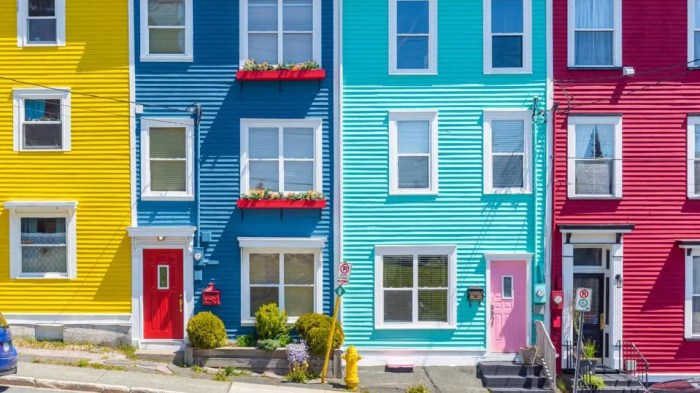
- Humid and Tropical Climates: In tropical areas, vibrant colors like coral, bright greens, and turquoise are commonly used. These colors not only appeal to the vibrant local culture but also help in reflecting heat. Caribbean islands exemplify this with their brightly colored homes.
- Temperate Climates: Regions with moderate climates may allow for a wide range of colors; however, soft, neutral tones like taupe, light gray, and sage green are often favored to harmonize with changing seasons.
Understanding regional color trends enhances the ability to choose shades that complement both personal taste and environmental context.
Overall, regional influences in exterior paint colors showcase a blend of cultural, environmental, and architectural factors. By considering these trends, homeowners can create beautiful, cohesive exteriors that resonate with their surroundings.
The Role of Accents in Exterior Painting
Accent colors play a pivotal role in enhancing the visual appeal of a home’s exterior. They serve to highlight specific architectural features, create a sense of depth, and add personality to the overall design. By strategically selecting accent colors, homeowners can elevate the charm and character of their properties, making them stand out in their neighborhoods while still maintaining a cohesive look.Using accents wisely can transform a standard exterior into a stunning showcase.
Common accent areas include doors, shutters, and trim. For instance, a bright red door can create a welcoming focal point against a neutral facade, while dark navy shutters can add sophistication and contrast. The key is to find a harmonious balance between these accent colors and the primary exterior paint, ensuring that the accents enhance rather than overpower the overall aesthetic.
Common Accent Features in Exterior Painting
Understanding how to effectively use accent colors can significantly influence the perception of a home’s exterior. Common accent features include:
- Doors: A bold door color can serve as a striking entry point. Think of a vibrant yellow or teal against a soft beige or gray house, creating a cheerful invitation.
- Shutters: Shutters often complement or contrast the main color. For example, white shutters on a light blue house can provide a classic nautical feel, while dark green shutters on a tan home offer a rich, earthy contrast.
- Trim: The trim is crucial in framing windows and doors. A crisp white trim can brighten a darker exterior, whereas a darker trim can lend a more elegant touch to lighter hues.
The importance of achieving balance between accent colors and primary exterior paint cannot be overstated. A well-thought-out color scheme will ensure that accent features enhance the home’s architectural elements without clashing or overwhelming the primary colors. For example, if the main color of a house is a soft pastel, an accent color should ideally be chosen from the same color family or a complementary hue to maintain visual harmony.
Accent colors are not just decorative; they are vital in creating a cohesive and inviting exterior that reflects personal style.
Concluding Remarks
In summary, selecting the right home exterior paint colors is an exciting journey that combines creativity, psychology, and practicality. By implementing the insights discussed, you can transform your home’s exterior into a welcoming and stylish space that reflects both your personality and the surrounding environment. Whether you’re going for a classic look or something trendier, remember that the right color can make all the difference!
FAQ
What factors should I consider when choosing exterior paint colors?
Consider your home’s architectural style, the surrounding environment, seasonal changes, and personal preferences to create a cohesive look.
How often should I repaint my home’s exterior?
Typically, every 5 to 10 years, depending on the paint quality, climate, and wear and tear.
Are there specific colors that last longer in sunlight?
Generally, lighter colors tend to fade less quickly than darker ones, which absorb more UV rays.
Can I use interior paint for exterior projects?
No, exterior paints are formulated to withstand weather conditions and are more durable than interior paints.
What is the significance of using eco-friendly paint?
Eco-friendly paints are low in VOCs, improving indoor air quality and reducing environmental impact, making them a healthier choice for your home.