Types of Custom Exterior Siding
Custom exterior siding not only enhances the aesthetic appeal of a home but also serves crucial protective functions. The choice of siding material greatly influences the overall look, feel, and durability of the building, as well as its energy efficiency. Each material comes with unique characteristics and styles that cater to different architectural designs and homeowner preferences.
Wood Siding
Wood siding is a classic choice that offers natural beauty and warmth to any structure. It is available in various types, including cedar, pine, and redwood. Common styles within wood siding include clapboard, shingles, and board-and-batten.





- Benefits: Wood siding is highly customizable, allowing for various finishes, and provides excellent insulation properties. It is also biodegradable and can be sourced sustainably.
- Drawbacks: Wood is susceptible to rot, insects, and weather-related wear. Regular maintenance, such as painting or staining, is necessary to prolong its lifespan.
Vinyl Siding
Vinyl siding has gained popularity due to its affordability and low maintenance. It comes in a wide range of colors and styles, including traditional lap, vertical siding, and decorative accents like shakes and scallops.
- Benefits: Vinyl siding does not require painting, is resistant to moisture and insects, and offers a longer lifespan compared to wood. Its insulation properties can improve energy efficiency.
- Drawbacks: Vinyl can fade over time and may crack in extreme temperatures. It is less eco-friendly, as it is derived from petroleum products.
Fiber Cement Siding
Fiber cement siding is made from a blend of cement, sand, and cellulose fibers, making it an extremely durable option. It can mimic the appearance of wood, stucco, or masonry and is available in various styles, including lap, panel, and vertical designs.
- Benefits: This material is resistant to fire, rot, and termites, offering long-lasting performance with minimal maintenance. Fiber cement siding is also energy-efficient and highly customizable.
- Drawbacks: It can be heavier and more difficult to install than other materials, often requiring professional installation. Initial costs are typically higher than vinyl but may pay off in durability.
Metal Siding
Metal siding, often made from aluminum or steel, provides a modern look and exceptional durability. It is available in various styles, including corrugated, flat panels, and vertical options.
- Benefits: Metal siding is resistant to fire, pests, and rot, making it an excellent long-term investment. It often has a sleek, contemporary aesthetic and can be recycled at the end of its life.
- Drawbacks: Metal siding can be prone to denting and may require occasional painting or treatment to prevent rust. It can also be less effective in terms of insulation unless combined with additional materials.
Installation Process for Custom Exterior Siding

Source: getthatright.com
Installing custom exterior siding is a significant home improvement project that can greatly enhance your property’s curb appeal and energy efficiency. Understanding the installation process is crucial for achieving a high-quality finish that lasts for years. Below, we Artikel the essential steps involved in the installation of custom exterior siding, along with tips for proper preparation and the necessary tools and materials.
Steps for Proper Installation of Custom Exterior Siding
The installation of custom exterior siding involves a series of well-defined steps to ensure a seamless and durable application. Each step plays a vital role in the overall success of the project. The following is a breakdown of these steps:
- Preparation of the Area: Start by clearing the area around your home. This includes removing any obstacles, such as plants, furniture, or existing siding. A clean workspace is essential for efficient installation.
- Inspection of Existing Structure: Examine the underlying structure for any damage or rot. If any issues are found, they should be repaired before proceeding to ensure that the new siding will be properly anchored.
- Installation of House Wrap: Apply a house wrap to provide an additional moisture barrier. This step is crucial in protecting your home from water damage and enhancing energy efficiency.
- Cutting and Fitting the Siding: Carefully measure and cut the custom siding to fit the dimensions of your home. Precise measurements will prevent gaps and ensure a snug fit.
- Securing the Siding: Begin attaching the siding from the bottom up, making sure to leave appropriate gaps for expansion and contraction. Use nails or screws as recommended by the manufacturer.
- Finishing Touches: Once all the siding panels are attached, install trim pieces around windows, doors, and corners. This enhances aesthetics and provides additional weatherproofing.
Preparing Your House Before Siding Installation
Proper preparation is key to a successful siding installation. Here are some essential tips for getting your home ready:
- Remove Old Siding: If replacing existing siding, remove it completely to expose the underlying structure. This allows for a thorough inspection and necessary repairs.
- Repair Structural Issues: Fix any damaged areas such as rotting wood or compromised sheathing before starting the installation.
- Check Local Regulations: Ensure compliance with local building codes and regulations, as some areas may have specific requirements for siding materials and installation methods.
- Gather Necessary Permits: Obtain any required permits from your local government to avoid potential fines or work stoppages.
Tools and Materials Needed for a Successful Siding Project
Having the right tools and materials is essential for a smooth installation process. Below is a list of what you will need:
- Tools:
- Measuring tape
- Level
- Utility knife
- Power saw or circular saw
- Nail gun or hammer
- Caulk gun
- Safety goggles and gloves
- Materials:
- Custom exterior siding panels
- House wrap
- Fasteners (nails or screws as per the manufacturer’s specifications)
- Trim boards for finishing
- Caulk for sealing joints and gaps
“A well-prepared home ensures a smoother installation process and longer-lasting results.”
With the right preparation, tools, and dedication to following the installation steps, your custom exterior siding can protect and beautify your home for many years to come.
Maintenance of Custom Exterior Siding
Regular maintenance of custom exterior siding is essential to ensure its longevity and aesthetic appeal. Proper care not only enhances the appearance of your home but also prevents costly repairs down the line. Each type of siding has its specific needs, making it important for homeowners to understand the tasks necessary to keep their exteriors in top shape.
Regular Maintenance Tasks
To maintain custom exterior siding effectively, homeowners should engage in several routine tasks. These tasks help prevent decay and damage, prolonging the lifespan of the siding material.
- Cleaning: Regularly wash the siding using a mild detergent and water. This removes dirt, mold, and mildew that can accumulate over time. For tougher stains, a soft-bristle brush may be necessary.
- Inspection: Conduct an annual inspection for any signs of damage such as cracks, warping, or peeling paint. Early detection of issues can prevent extensive repairs later on.
- Sealing and Painting: Depending on the material, sealing or repainting may be required every few years to protect against moisture and UV damage. Wood siding typically needs this more frequently than vinyl or fiber cement siding.
Common Issues with Siding Materials
Different siding materials may face unique challenges, and understanding these can aid in effective maintenance. Below are common issues associated with various siding types and recommended solutions.
- Wood Siding: Prone to rot and insect infestation. To combat this, ensure proper sealing and periodically treat with insect repellent. Replace any damaged boards promptly.
- Vinyl Siding: May warp or crack under extreme temperatures. Regular inspections can help identify issues early, and repairs can often be made by replacing the affected panels.
- Fiber Cement Siding: Although durable, it can develop cracks if not installed correctly. Ensure proper installation and caulking to prevent moisture infiltration.
Maintenance Schedule for Various Siding Types, Custom exterior siding
A tailored maintenance schedule can significantly enhance the durability of different siding materials. Below is a suggested timeline based on common siding types.
| Siding Type | Task | Frequency |
|---|---|---|
| Wood | Cleaning and Inspection | Every 6 months |
| Wood | Sealing/Painting | Every 3-5 years |
| Vinyl | Cleaning and Inspection | Annually |
| Vinyl | Replacement of Damaged Panels | As needed |
| Fiber Cement | Cleaning and Inspection | Annually |
| Fiber Cement | Painting | Every 10-15 years |
“A proactive maintenance plan can drastically reduce the risk of major repairs and preserve the beauty of your home’s exterior.”
Customization Options for Exterior Siding: Custom Exterior Siding
When it comes to enhancing your home’s curb appeal, the customization options for exterior siding play a crucial role. Homeowners can select from a wide array of styles, colors, textures, and finishes that not only elevate the aesthetic appeal of their property but also contribute to its overall functionality and durability. Understanding these options ensures that your siding not only looks great but also meets your specific needs.Customization features are abundant in exterior siding, allowing homeowners to tailor their choices to reflect personal tastes and regional aesthetics.
Options include various colors that can either blend harmoniously with the environment or make a bold statement. Additionally, textures can range from smooth to rough, mimicking materials like wood or stone, and finishes may vary from matte to glossy, impacting both the look and longevity of the siding.
Available Customization Features
The following table Artikels some common customization options for exterior siding, along with their effects on aesthetics and functionality.
| Customization Option | Aesthetic Effect | Functional Benefit |
|---|---|---|
| Color | Vibrant or subdued tones can complement architectural styles. | Light colors can reflect heat, reducing cooling costs. |
| Texture | Textured finishes add depth and character to the facade. | Some textures can enhance durability by resisting damage. |
| Finish | Glossy finishes provide a modern look, while matte finishes offer a classic appeal. | Certain finishes can improve moisture resistance and ease of cleaning. |
| Panel Size | Long panels create a sleek, contemporary appearance. | Large panels can reduce seams, minimizing potential water intrusion. |
| Profile Design | Customized profiles, like board-and-batten or shiplap, influence style greatly. | Specific profiles may improve insulation and energy efficiency. |
When selecting and designing custom features for exterior siding, it’s essential to consider local building codes, neighborhood aesthetics, and personal preferences. Begin by consulting with a siding professional to explore available materials and options that align with your vision. Gathering samples of colors and textures can help visualize how different elements will work together on your home. Furthermore, using design software can assist in previewing various combinations, aiding in making informed decisions about the final look.
By carefully considering each customization option, homeowners can create a unique exterior that enhances both the beauty and functionality of their property.
Cost Considerations for Custom Exterior Siding
Source: goodguyscontracting.com
When planning a custom exterior siding project, understanding the associated costs is crucial. Custom siding can significantly enhance a home’s curb appeal and energy efficiency, but it is essential to consider various financial factors that influence the overall budget. This section will delve into the primary elements that impact the cost of custom exterior siding, helping homeowners make informed decisions.
Factors Influencing the Cost of Custom Exterior Siding
Several elements dictate the cost of custom exterior siding projects. Key factors include:
- Material Selection: The choice of siding material has a substantial effect on the overall price. High-end materials like fiber cement or natural stone typically cost more than options like vinyl or aluminum.
- Installation Method: Professional installation can vary in price depending on the complexity of the job. Advanced techniques may require skilled labor, increasing labor costs.
- Home Size: The larger the home, the more siding material will be required, directly translating to higher costs. Accurate measurements are essential for budgeting.
- Customization Level: Customized designs, unique colors, or specific finishes can raise costs. Customization adds to both material and labor expenses.
- Location: Regional labor rates and the availability of materials can also affect pricing. Urban areas might have higher costs due to increased demand.
Average Costs by Siding Material and Installation Method
To give a clearer picture of expected expenses, here’s a comparison table of average costs by siding material and installation method:
| Siding Material | Average Cost per Square Foot | Installation Method Cost |
|---|---|---|
| Vinyl | $2 – $7 | $4 – $8 |
| Fiber Cement | $6 – $12 | $8 – $14 |
| Wood | $3 – $10 | $5 – $12 |
| Aluminum | $3 – $8 | $5 – $10 |
| Brick | $10 – $25 | $15 – $30 |
This table provides a general guideline on the costs associated with different siding materials and their installation methods.
Budgeting for a Custom Siding Project
Creating a comprehensive budget for a custom siding project involves anticipating not just the obvious costs but also hidden expenses. Here are some considerations to keep in mind while budgeting:
- Permits and Fees: Local building regulations often require permits, which can incur additional costs.
- Preparation Work: Existing siding removal, repairs, or any necessary modifications to the home’s structure may add to the initial budget.
- Maintenance Costs: Some materials require ongoing maintenance, which should be factored into long-term expenses.
- Potential Upgrades: Homeowners may decide to enhance insulation or add features like trim, which can increase costs.
- Contingency Fund: Setting aside approximately 10-15% of the total budget for unexpected expenses is advisable to avoid financial strain.
Properly accounting for these factors ensures that your custom siding project remains within financial reach while achieving the desired aesthetic and functional outcome.
Trends in Custom Exterior Siding
The landscape of custom exterior siding is ever-evolving, with innovative designs and materials emerging as homeowners seek both aesthetic appeal and practical functionality. As sustainability becomes a priority in construction, these trends are reshaping how we think about and implement siding solutions. The following points highlight the current trends in custom exterior siding designs and materials that are capturing attention in the market today.
Current Trends in Custom Exterior Siding Designs and Materials
The demand for unique and personalized homes has pushed the customization of exterior siding to new heights. Here are some of the standout trends:
- Bold Color Choices: Homeowners are increasingly opting for vibrant hues and contrasting color palettes that allow their homes to stand out in their neighborhoods.
- Mixed Materials: Combining different materials, such as wood, fiber cement, and metal, provides a contemporary aesthetic and enhances visual interest.
- Textured Finishes: Textured siding options, such as shingles, board and batten, or stucco, add depth and character to exterior walls.
- Vertical Siding: The trend towards vertical siding not only offers a modern look but also gives the illusion of height, making homes appear more spacious.
- Natural Materials: There is a growing preference for sustainable materials like reclaimed wood and bamboo, which enhance the organic aesthetic and are environmentally friendly.
Influence of Sustainability on Modern Siding Choices
Sustainability plays a crucial role in shaping modern siding choices. Homeowners are becoming more aware of the environmental impact of their building materials, leading to a shift towards eco-friendly options. Many manufacturers are now producing siding materials that are recyclable, made from sustainable resources, or engineered for enhanced energy efficiency. For example, fiber cement siding is known for its durability and low maintenance requirements, reducing the need for frequent replacements.
“Sustainable siding solutions not only conserve resources but also contribute to the long-term value of a home.”
Future Trends and Innovations in Exterior Siding
Looking ahead, several innovations and trends are likely to shape the future of exterior siding. Technological advancements are paving the way for smarter and more efficient products. One notable trend is the introduction of smart siding, equipped with sensors that can detect temperature changes or moisture levels, alerting homeowners to potential issues before they become significant problems. Additionally, advancements in manufacturing techniques are making it possible to create more realistic wood-like finishes using synthetic materials, offering the beauty of wood without the maintenance challenges.Emerging technologies in coatings and finishes are also expected to enhance the durability and longevity of siding, providing homeowners with products that require less upkeep and offer superior weather resistance.
Overall, the future of custom exterior siding promises a blend of style, sustainability, and technology, catering to the evolving preferences of homeowners while addressing environmental concerns.
Environmental Impact of Custom Exterior Siding
Selecting custom exterior siding is not just about aesthetics; it also plays a significant role in environmental sustainability. Many homeowners are now prioritizing eco-friendly options that reduce their carbon footprint while enhancing the beauty and functionality of their homes. Understanding the environmental impact of siding materials can help make informed choices that benefit both the planet and your property.Sustainable siding materials, such as reclaimed wood, bamboo, and fiber cement, offer a range of environmental benefits.
They often use fewer resources during production, emit lower levels of greenhouse gases, and can be sourced from renewable materials. Additionally, these materials can contribute to energy efficiency, which reduces overall carbon emissions. By choosing sustainable options, homeowners actively participate in the conservation of natural resources and the reduction of waste.
Lifecycle Analysis of Common Siding Materials
The lifecycle of siding materials encompasses their production, use, and eventual disposal. Understanding this lifecycle helps assess their overall environmental footprint. Here’s a closer look at some common siding materials and their environmental impacts:
- Vinyl Siding: While affordable and low-maintenance, vinyl siding is made from PVC, a product derived from fossil fuels. Its production is energy-intensive, and it can release toxic chemicals during manufacturing and disposal, contributing to environmental degradation.
- Wood Siding: Wood is a renewable resource when sourced sustainably. However, deforestation for timber can lead to habitat loss. Properly managed forests can mitigate this impact, and wood siding can be biodegradable, making it an eco-friendly option if sourced responsibly.
- Fiber Cement Siding: Composed of sand, cement, and cellulose fibers, fiber cement is durable and energy-efficient. Its production has a lower environmental impact compared to vinyl, and it is fully recyclable, which helps reduce landfill waste.
- Metal Siding: Aluminum and steel siding can be recycled indefinitely without losing quality. Their production requires significant energy, but the longevity and recyclability of metal siding make it a more sustainable choice in the long run.
The environmental impact varies considerably between materials, making careful selection essential for sustainability-minded homeowners.
Recycling and Disposal Options for Old Siding
When replacing old siding, it is crucial to consider responsible disposal and recycling options to minimize waste. Several avenues exist for handling old siding in an environmentally friendly manner:
- Recycling Programs: Many municipalities offer recycling programs that accept various siding materials, including metal and certain types of wood. Homeowners should check local guidelines to ensure proper recycling practices are followed.
- Donation: Functional materials can be donated to organizations that support housing projects or repurposed for community art installations. This extends the life of the materials and keeps them out of landfills.
- Repurposing: Old siding can be creatively reused in garden projects, furniture, or decorative elements, allowing homeowners to add unique touches to their spaces while minimizing waste.
- Landfill Disposal: As a last resort, some siding materials may need to be disposed of in landfills. Homeowners should consider the environmental impact and seek to minimize this option by exploring recycling and donation first.
By being mindful of how old siding is handled, homeowners can significantly reduce the environmental footprint of their renovation projects, contributing to a more sustainable future.
Conclusion
Source: pacificbuilders.com
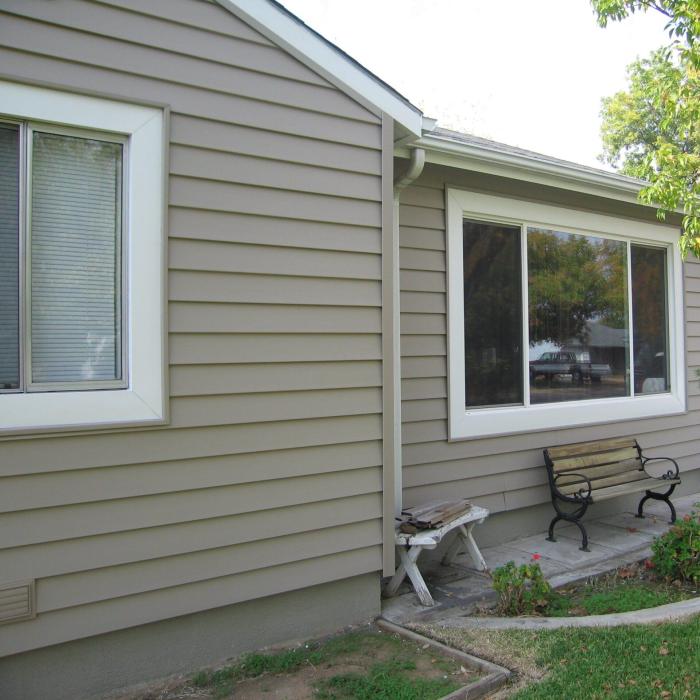
In summary, custom exterior siding is more than just a protective layer; it’s a reflection of your personal style and a crucial part of your home’s overall value. From choosing the right material to understanding maintenance and customization options, being informed equips you to enhance your home’s exterior effectively. Embracing the latest trends and sustainable options can lead you to make choices that are not only aesthetically pleasing but also environmentally friendly.
Helpful Answers
What are the most popular materials for custom exterior siding?
The most popular materials include wood, vinyl, fiber cement, and metal, each offering unique advantages and aesthetics.
How often should custom exterior siding be maintained?
Maintenance frequency varies, but generally, regular inspections and cleaning should occur at least once a year, with more extensive upkeep every few years depending on the material.
Can I install custom exterior siding myself?
While DIY installation is possible, it’s recommended to hire professionals to ensure proper installation and avoid potential issues.
What customization options are available for exterior siding?
Customization options include a variety of colors, textures, and finishes that can enhance both aesthetics and functionality.
How does climate affect the choice of siding material?
Climate influences durability and maintenance needs; for instance, vinyl is great for humid areas, while wood might require more upkeep in wet climates.