Planning an Exterior Home Renovation
Source: medium.com






Creating a thoughtful plan for your exterior home renovation is crucial for ensuring a successful project. With the right preparation, you can avoid common pitfalls and make informed decisions that enhance your home’s curb appeal and functionality. This guide will walk you through the essential steps in developing a renovation plan and highlight key factors to consider before embarking on your project.
Steps in Creating a Renovation Plan
A well-structured renovation plan can guide your project from start to finish. Here are the primary steps involved:
- Define Your Goals: Understand what you want to achieve with your renovation. Are you looking to improve aesthetics, increase energy efficiency, or add value to your home?
- Set a Budget: Determine how much you can afford to spend and allocate funds for materials, labor, permits, and unexpected expenses.
- Research and Gather Ideas: Explore design magazines, websites, and home improvement shows for inspiration. Create a mood board to visualize your preferences.
- Hire Professionals: Depending on the scope of your project, you may need to hire architects, contractors, or landscape designers to bring your vision to life.
- Obtain Necessary Permits: Check local regulations to see if your renovation requires permits. Ensure compliance to avoid fines and project delays.
- Create a Timeline: Artikel a realistic timeline for your project, considering the availability of materials and labor.
- Finalize Your Plan: Compile all the information and finalize your renovation plan, ensuring all stakeholders are on the same page.
Essential Factors to Consider Before Starting Renovations
Before diving into renovations, several crucial factors must be considered to ensure your project runs smoothly. Here are some of the most important aspects:
“Proper planning prevents poor performance.”
- Climate: Assess how local weather conditions may impact your materials and design choices.
- Neighborhood Aesthetics: Ensure your renovation aligns with the architectural style of your neighborhood to maintain property value.
- Return on Investment: Consider which improvements will yield the highest returns when selling your home.
- Environmental Impact: Evaluate sustainable materials and practices that minimize the ecological footprint of your renovation.
- Accessibility: Plan for features that enhance accessibility for all family members, including elderly individuals or those with disabilities.
Timeline for a Typical Exterior Renovation Project
Understanding the timeline of an exterior renovation can help you stay organized and manage expectations. A typical project timeline may include:
“A well-timed project leads to a smoother execution.”
| Phase | Estimated Duration |
|---|---|
| Planning and Design | 2-4 weeks |
| Permitting Process | 1-3 weeks |
| Material Procurement | 3-6 weeks |
| Construction Phase | 4-12 weeks |
| Final Review and Touch-ups | 1-2 weeks |
By following these steps and considering the highlighted factors, you can create a comprehensive plan that paves the way for a successful exterior home renovation project.
Budgeting for Renovation Projects
Creating a budget for your exterior home renovation is essential to ensure that your project runs smoothly without any financial hiccups. A well-planned budget helps you understand exactly where your money is going and allows for proper allocation of funds across various tasks.When it comes to budgeting, breaking down your renovation tasks into categories can make the process more manageable.
It’s crucial to also consider unforeseen expenses that may arise during the renovation. Here’s a detailed breakdown of various exterior renovation tasks that can help you allocate your budget effectively:
Budget Breakdown for Common Exterior Renovation Tasks
A comprehensive budget breakdown allows homeowners to see where funds are needed most. Here are typical categories and their estimated costs based on average market prices:
| Task | Estimated Cost |
|---|---|
| Roof Replacement | $5,000 – $15,000 |
| Siding Installation | $3,000 – $10,000 |
| Window Replacement | $300 – $1,000 per window |
| Deck Construction | $4,000 – $12,000 |
| Landscaping | $1,500 – $5,000 |
| Painting Exterior | $1,000 – $4,000 |
In addition to these tasks, other elements like permits and consultations with professionals should also be factored into your budget.
Methods for Estimating Costs Accurately, Exterior home renovation
Accurate cost estimation is vital for staying within budget during a renovation. Here are some effective methods to ensure your estimates are as precise as possible:
Research
Spend time researching market prices for materials and labor. Websites like HomeAdvisor or Angie’s List can provide useful estimates based on your location.
Get Multiple Quotes
Always obtain multiple quotes from contractors before making a decision. This not only gives you a range of pricing but also helps you gauge the market rates.
Consult Professionals
Hiring a project manager or a professional estimator can provide insights into costs that may not be immediately obvious to a homeowner.
Use a Cost Estimation Tool
Various online tools and apps are available that can help you estimate renovation costs based on your specific details and local pricing.
Avoiding Common Budgeting Pitfalls in Renovations
Recognizing and steering clear of common budgeting pitfalls can save both time and money during your renovation. Consider these tips:
Overlooking Hidden Costs
Always account for additional expenses such as permits, unexpected repairs, or changes in design. It’s wise to add a contingency fund of about 10-20% of your total budget.
Underestimating Labor Costs
Labor can often be a significant portion of your budget. Make sure to get a clear understanding of labor fees and what specifically is included in their quotes.
Focusing Only on the Lowest Bid
While it may be tempting to choose the least expensive option, this can lead to subpar work or materials. Always consider the reputation and reviews of the contractor as well.
Ignoring the Seasonality of Projects
Some tasks, like landscaping, are best done in specific seasons. Planning accordingly can help you avoid rushed jobs or inflated prices during peak times.
Proper budgeting sets the foundation for a successful renovation project.
Choosing Materials for Exterior Renovation
Selecting the right materials for your exterior home renovation is crucial not just for aesthetic appeal, but also for durability and maintenance. The choice of materials can significantly impact the overall cost, energy efficiency, and environmental footprint of your project. This section focuses on comparing different materials, examining their benefits and drawbacks, and providing guidance on sustainable options.
Comparison of Common Exterior Materials
When renovating the exterior of a home, homeowners often find themselves choosing between various materials for elements like siding and roofing. Each material has its unique characteristics and fits different styles and budgets.
- Vinyl Siding: This is a popular choice due to its affordability and low maintenance. It comes in many colors and styles but can fade over time and is susceptible to extreme temperatures.
- Wood Siding: Wood provides a classic, attractive appearance and can be painted or stained. However, it requires regular maintenance to prevent rot and pests, which can add to long-term costs.
- Fiber Cement Siding: Known for its durability, it mimics the look of wood but is resistant to fire, insects, and decay. The upfront cost is higher, but it can last for decades with minimal upkeep.
- Asphalt Roofing: This is one of the most common roofing materials. It is relatively inexpensive and comes in various styles. However, it has a shorter lifespan compared to metal or slate options.
- Metal Roofing: Although it typically has a higher initial cost, metal roofing offers durability and energy efficiency. It can endure severe weather conditions and has a lifespan of up to 50 years.
Benefits and Drawbacks of Popular Exterior Finishes
Understanding the pros and cons of materials for exterior finishes helps homeowners make informed decisions. Each finish offers distinct advantages and potential drawbacks that should be considered in line with the project’s goals.
- Stucco: This versatile material can provide excellent insulation and weather resistance. However, if not properly maintained, it may develop cracks over time, requiring repairs.
- Brick: Known for its timeless appeal and durability, brick is low-maintenance and can withstand harsh weather. The downside is the initial cost and the need for skilled installation.
- Composite Materials: These are engineered to combine the best characteristics of various materials, offering durability and low maintenance. However, some composites may not have the same aesthetic appeal as natural materials.
Sustainability in Material Selection
Sustainable material choices are increasingly important in modern renovations. Homeowners can make a positive impact on the environment by selecting eco-friendly options that reduce carbon footprints. Consider the following sustainable practices:
- Recycled Materials: Opt for siding or roofing materials made from recycled materials, such as reclaimed wood or recycled metal. These options help reduce waste and the demand for new resources.
- Locally Sourced Products: Using materials sourced from local suppliers can decrease transportation emissions and support the local economy.
- Energy Efficiency: Choose materials that enhance the energy efficiency of your home, such as insulated siding or green roofs, which can lower heating and cooling costs.
“Sustainable building materials not only protect the environment but can also lead to long-term savings on energy and maintenance costs.”
Design Considerations for Exterior Facades
When it comes to enhancing the exterior of your home, design considerations play a crucial role in achieving a stunning and cohesive look. The facade is often the first impression visitors and passersby get of your home, making curb appeal a significant factor. A well-thought-out design can elevate the aesthetic appeal while also reflecting your personal style and the character of your neighborhood.Key elements of curb appeal include the overall architectural style, color palette, landscaping, and the condition of exterior materials.
These factors work together to create a welcoming and attractive atmosphere, which can increase property value and instill pride in homeownership. Integrating your exterior renovations with existing architectural styles ensures harmony with the surrounding environment and maintains the integrity of your home’s character.
Curb Appeal Elements
Understanding the fundamental elements that contribute to curb appeal can help homeowners make informed design choices. These elements include:
- Architectural Style: Choose a style that complements your home’s original design, whether it’s contemporary, traditional, or a blend of both. A consistent architectural language across the facade enhances visual appeal.
- Landscaping: Thoughtful landscaping, such as strategic planting of shrubs, flowers, and trees, can frame the home beautifully and draw attention to key features.
- Entryway Design: A well-defined entryway with a welcoming front door, attractive lighting, and inviting pathways can significantly enhance curb appeal.
- Exterior Maintenance: Regular upkeep of siding, roofing, and windows not only preserves the home’s condition but also boosts its aesthetic value.
Integration of Architectural Styles
Integrating different architectural styles during an exterior renovation can create a unique and visually appealing facade. Successful integration involves careful consideration of materials, shapes, and proportions. To achieve harmony, consider the following:
- Material Consistency: Use materials that are compatible with the existing structure. For example, if the home has a brick foundation, maintaining brick or using complementary materials like wood or stone is essential.
- Proportional Balance: Ensure that any new additions, such as porches or dormers, are proportionate to the existing home. Oversized or undersized features can disrupt visual balance.
- Color Coordination: Select a color palette that echoes the original style while incorporating modern hues. This balance keeps the facade fresh yet respectful of its roots.
Checklist for Choosing Colors and Textures
Choosing the right colors and textures for your facade is vital for achieving the desired visual impact. Here’s a checklist to guide your decision-making process:
- Research Local Trends: Look into popular color schemes and textures in your area to ensure your home fits into the neighborhood aesthetic.
- Test Samples: Obtain paint samples or material swatches and view them at various times of the day to see how they look in different lighting.
- Consider Climate: Choose durable materials and colors that withstand local weather conditions, ensuring longevity and minimal maintenance.
- Texture Variety: Incorporate a mix of textures, such as smooth siding paired with rough stone accents, to create visual interest without overwhelming the design.
- Personal Preference: Ultimately, select colors and textures that resonate with your personal style and make your home feel uniquely yours.
Hiring Professionals vs. DIY Approaches: Exterior Home Renovation
When embarking on an exterior home renovation, one of the pivotal decisions is whether to hire professionals or take on a do-it-yourself (DIY) approach. Each option has its own set of advantages and considerations that can significantly affect the outcome of your project. Understanding these differences can help you make an informed decision that aligns with your skills, budget, and project goals.The choice between hiring a contractor and undertaking DIY renovations depends on various factors including the scope of the project, your skill level, and available time.
Hiring professionals often guarantees a level of expertise and a faster completion time, particularly for complex tasks. On the other hand, DIY efforts may save you money and provide a sense of personal satisfaction, especially for simpler projects.
Advantages of Hiring Contractors
Engaging professionals for exterior renovations can streamline the process and ensure high-quality results. Here are several advantages of hiring contractors:
-
Expertise and Experience:
Contractors bring specialized skills and years of experience, ensuring the job is done right the first time.
-
Time Efficiency:
Professionals can often complete projects more quickly due to their experience and access to a crew and tools.
-
Licensing and Insurance:
Reputable contractors carry insurance and licenses, protecting you from liability in case of accidents during the renovation.
-
Access to Resources:
Professionals have established relationships with suppliers and can obtain materials at lower costs.
Best Types of Exterior Work for DIY Efforts
Certain tasks in exterior renovation lend themselves well to DIY approaches, especially for those with basic home improvement skills. These projects can provide a rewarding experience without overwhelming complexity. Some examples include:
- Painting or staining exterior surfaces.
- Landscaping, including planting flowers or shrubs.
- Minor repairs, such as patching small holes in siding.
- Cleaning gutters and performing routine maintenance.
Questions to Ask Potential Contractors
When interviewing potential contractors, it’s essential to gather detailed information to ensure you select the right professional for your project. Here is a list of key questions to consider:
- What is your experience with similar renovation projects?
- Can you provide references from past clients?
- What is your estimated timeline for this project?
- How will you handle unforeseen issues or delays during the renovation?
- What is included in your estimate, and are there any additional costs we should anticipate?
Permits and Regulations
Source: ec-cosmohome.com
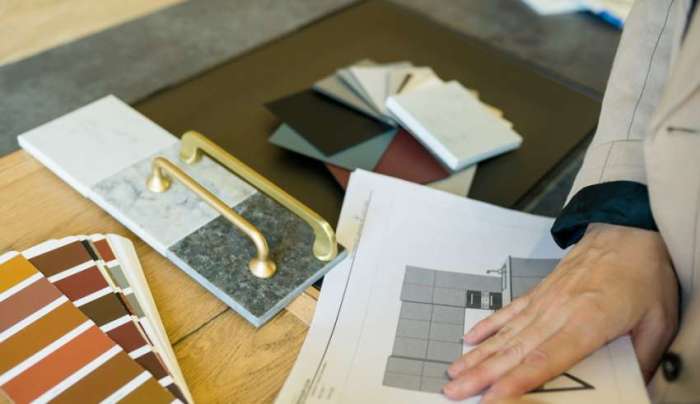
When planning an exterior home renovation, understanding the necessary permits and regulations is crucial to ensure compliance and avoid any legal complications. The requirements can vary significantly by region, making it essential to research local laws and guidelines before starting your project.Obtaining the necessary approvals typically involves several steps, including submitting plans, paying fees, and sometimes undergoing inspections. This process can take time, so it’s wise to factor it into your overall renovation timeline.
Below, we will discuss the types of permits often required for renovations and some common regulations that may impact your project.
Types of Permits Required
Before embarking on an exterior renovation, homeowners should be aware of the different types of permits that might be required. The specific permits needed can vary based on location, project scope, and local regulations. Common permits include:
- Building Permits: These are necessary for structural changes, including adding walls or decks.
- Zoning Permits: Required if the renovation impacts land use, such as changing the size or type of structure.
- Environmental Permits: May be needed if the renovation affects natural resources or certain protected areas.
- Sign Permits: Required for any signage changes on the exterior of your home or business.
Process for Obtaining Approvals
The process to obtain the necessary permits generally follows a standard procedure. Understanding these steps can help streamline your renovation plans:
- Research Local Requirements: Start by checking with your local building department or municipal office to understand the specific permits needed.
- Prepare Documentation: Gather necessary documents, including building plans, site plans, and proof of ownership.
- Submit Applications: File your permit applications along with any required fees to the appropriate authority.
- Inspections: In some cases, inspections may be required during or after the renovation to ensure compliance with regulations.
Common Regulations Affecting Renovation Projects
Various regulations can impact your renovation, often focusing on safety, aesthetics, and neighborhood standards. Familiarizing yourself with these regulations can help ensure a smoother renovation experience:
- Building Codes: These codes ensure safety and structural integrity, covering everything from electrical wiring to plumbing.
- Historical Preservation Laws: If your home is in a historical district, renovations may be restricted to preserve architectural integrity.
- Homeowners Association (HOA) Rules: If you live in a community with an HOA, additional guidelines may dictate renovation aesthetics, color schemes, and materials used.
“Understanding and adhering to local permits and regulations can save time, money, and stress during your home renovation.”
Landscaping and Exterior Features
The integration of landscaping and exterior features plays a crucial role in enhancing the overall appeal of your home. A well-thought-out landscape design not only complements the renovations made to your home’s exterior but also elevates its value and aesthetic charm. By harmonizing outdoor elements with architectural improvements, homeowners can create a cohesive and inviting atmosphere.Landscaping adds depth, color, and texture to exterior renovations, making them feel more complete.
When planning your outdoor space, consider elements like patios and walkways that encourage outdoor living and enhance accessibility. A strategic landscape design can transform a standard yard into an inviting oasis, connecting various elements of your property seamlessly.
Integration of Outdoor Elements
Creating a plan for integrating outdoor elements such as patios, walkways, and gardens is essential for maximizing utility and beauty. Here are key considerations for designing these features:
Patios
A well-placed patio can serve as a focal point for outdoor gatherings. Consider materials such as pavers, flagstone, or stamped concrete to match the home’s exterior style. For instance, a modern home may benefit from sleek, minimalist concrete slabs, while a rustic dwelling would look great with natural stone.
Walkways
Walkways should guide visitors through your landscape while complementing the overall design. Choose materials that mirror or accentuate the home’s façade. A winding brick path can create a charming look, while a straight gravel path may offer a contemporary feel.
Garden Beds
Incorporating plantings that bloom throughout the seasons can enhance visual interest. Selecting native plants that thrive in your climate ensures sustainability and reduces maintenance. For example, ornamental grasses and perennial flowers can provide color and texture year-round.
Outdoor Structures
Features such as trellises, pergolas, or arbors can add height and dimension to your landscape, making it visually engaging. Consider integrating climbing plants to soften these structures and create a more natural appearance.
Lighting
Proper outdoor lighting not only enhances safety but also highlights architectural and landscape features at night. Use solar lights along walkways or install spotlights to illuminate trees and focal points, adding charm and security.By thoughtfully integrating these outdoor elements into your exterior renovation, you can create a welcoming environment that enhances both aesthetics and functionality. This approach not only increases the property’s curb appeal but also contributes to an enjoyable outdoor living experience.
Maintenance and Longevity
Source: thereviewstories.com
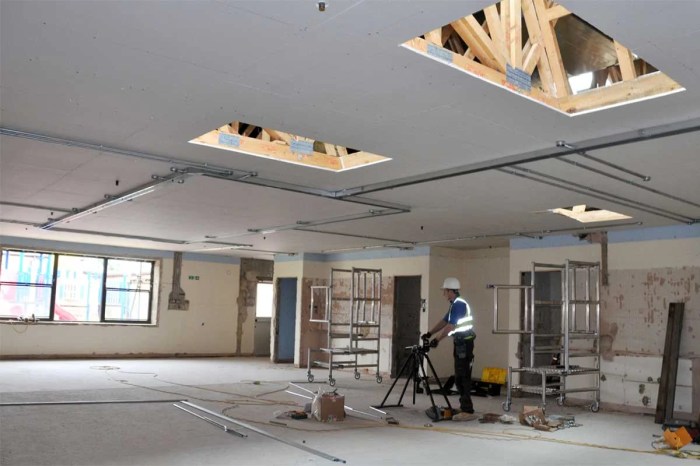
Maintaining the integrity and appearance of your newly renovated home’s exterior is essential for ensuring its longevity and preserving its value. Regular maintenance routines not only enhance curb appeal but also protect your investment against the elements and wear over time. By establishing a solid maintenance plan, you can significantly extend the life of your exterior materials and keep your home looking its best.Weather can be harsh on exterior materials, making it crucial to take proactive measures to protect your investments.
Different materials require specific care to withstand the rigors of sun, rain, wind, and snow. By understanding these needs and implementing the right strategies, you can prevent premature deterioration and costly repairs.
Maintenance Routines for Newly Renovated Exteriors
Establishing a consistent maintenance routine is critical in prolonging the lifespan of your renovated exterior. Here are some recommended practices to incorporate into your seasonal checklists:
- Inspect and clean gutters and downspouts regularly to prevent water damage and ensure proper drainage.
- Power wash siding and decks annually to remove dirt, mold, and mildew that can degrade materials.
- Check for signs of rot or decay in wooden structures, such as decks or window frames, and treat or replace as necessary.
- Apply sealants to stone, brick, and masonry surfaces every few years to protect against moisture penetration.
- Inspect and maintain caulking around windows and doors to prevent drafts and water intrusion.
Protecting Exterior Materials Against Weather Conditions
Even the most durable materials can suffer from exposure to varying weather conditions. Here are effective strategies to protect your exterior:
- Use UV-protective coatings on wooden surfaces to prevent fading and warping from sunlight.
- Choose high-quality paints and finishes that are designed for exterior use and provide weather resistance.
- Install awnings or overhangs to shield windows and doors from direct rain and sun exposure.
- Ensure proper landscaping to divert water away from the foundation and adjacent structures.
- Consider using weather-resistant materials, such as fiber-cement siding or vinyl, that require less maintenance.
Periodic Inspections and Necessary Repairs
Regular inspections are vital to identifying minor issues before they escalate into major problems. Implement a schedule for inspections that corresponds with seasonal changes:
- Conduct a thorough walk-around of your home at least twice a year, looking for cracks, peeling paint, or signs of pest damage.
- Check for any leaks or water damage in areas like basements, attics, and near the foundation.
- Examine roofing materials and flashing for wear and tear after severe weather events.
- Assess the condition of driveways and walkways, repairing any cracks to prevent further damage.
- Maintain outdoor features such as patios and retaining walls to ensure their structural integrity.
Regular maintenance and prompt repairs can save homeowners significant costs over time by preventing major renovations and preserving property value.
Closure
In conclusion, exterior home renovation is an integral part of enhancing your property’s aesthetic appeal and functionality. By carefully planning your project, budgeting wisely, and selecting the right materials, you can create an exterior that not only meets your needs but also elevates your home’s charm. Remember, whether you choose to hire professionals or embark on a DIY journey, the key is to remain informed and proactive throughout the process for the best results.
Questions and Answers
What is the average cost of an exterior renovation?
The average cost varies widely based on the scope of work, but most homeowners can expect to spend between $10,000 and $50,000 for a comprehensive exterior renovation.
How long does an exterior renovation usually take?
The duration of an exterior renovation can range from a few weeks to several months, depending on the size of the project and weather conditions.
Do I need a permit for exterior renovations?
Yes, many exterior renovations require permits. It’s important to check local regulations to ensure compliance before starting your project.
Can I renovate my home exterior in winter?
While it’s possible, winter renovations can be challenging due to weather conditions. It’s essential to choose materials and methods that can withstand colder temperatures.
What are some eco-friendly options for exterior materials?
Options include recycled materials, sustainably sourced wood, and energy-efficient finishes that reduce environmental impact while enhancing your home’s appeal.