Importance of Exterior House Maintenance
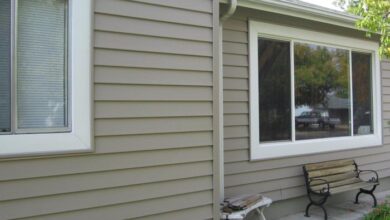
Regular exterior house maintenance is vital for preserving the longevity and functionality of a property. By taking proactive measures, homeowners can prevent minor issues from escalating into costly repairs. Maintaining the exterior of a house not only enhances its aesthetic appeal but also contributes to the structural integrity and overall value of the home.Neglecting exterior upkeep can significantly diminish property value over time.
Factors such as peeling paint, cracked siding, and overgrown landscaping can create a negative impression on potential buyers. Homes that appear well-maintained are more likely to attract offers at higher prices, while poorly kept properties may linger on the market, often requiring price reductions to sell.





Aspects of Exterior Maintenance Enhancing Curb Appeal
Several key aspects of exterior maintenance play a crucial role in boosting a home’s curb appeal. Addressing these areas can create a welcoming atmosphere and reflect a homeowner’s pride in their property.To maximize curb appeal, the following areas should receive regular attention:
- Painting and Staining: Fresh paint or stain not only protects surfaces from the elements but also enhances visual attractiveness. Choosing contemporary colors can modernize a home’s appearance.
- Landscaping: Well-maintained gardens, trimmed hedges, and seasonal flowers add vibrant color and texture to the exterior, making the home stand out.
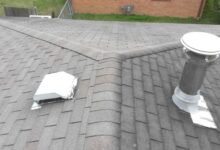
- Roof and Gutter Maintenance: Regular inspection and maintenance of the roof and gutters prevent leaks and water damage, essential for keeping the home safe and visually appealing.
- Driveway and Walkway Repair: Filling cracks and cleaning surfaces ensures safe navigation while enhancing the overall aesthetic of the entrance to the home.
- Exterior Lighting: Well-placed lighting enhances visibility and safety while creating an inviting ambiance during the evening hours.
By focusing on these aspects of exterior maintenance, homeowners can not only improve the appearance of their property but also contribute to its longevity and market value. Regular upkeep practices, combined with attention to detail, will ensure that the home remains an attractive and valuable asset over time.
Seasonal Maintenance Tasks
Maintaining the exterior of a house is a year-round responsibility, and seasonal maintenance tasks are essential to ensure your home remains safe, efficient, and visually appealing. Each season presents unique challenges and opportunities for upkeep, making it crucial to stay organized and proactive.
Spring Maintenance Tasks
As the weather warms up, spring is the ideal time to tackle a variety of maintenance activities. Completing these tasks early in the season can help prevent further issues down the line. Below is a detailed checklist of essential spring maintenance tasks:
- Inspect and clean gutters and downspouts to avoid clogging from debris.
- Check the roof for any damage or missing shingles that need repair.
- Perform a thorough inspection of windows and doors for leaks, applying caulk or weatherstripping as necessary.
- Power wash siding, decks, and driveways to remove dirt and mildew.
- Service air conditioning units, including changing filters and cleaning ducts.
- Inspect walkways and patios for cracks or uneven surfaces, making repairs as needed.
- Trim trees and shrubs that may have overgrown during the winter months.
Summer Maintenance Tasks
During the summer, outdoor temperatures provide the perfect opportunity for exterior upkeep and repairs. Maintaining your home’s exterior during this season not only helps preserve its appearance but also prevents future issues. Consider these essential summer tasks:
- Paint or stain decks and fences to protect them from sun damage and moisture.
- Inspect and clean outdoor furniture, ensuring it remains in good condition.
- Check for signs of pests or insects around the home and take necessary measures to eliminate them.
- Apply sealant to driveways and patios to prevent water penetration and cracking.
- Ensure that outdoor lighting fixtures are functioning and replace any burnt-out bulbs.
Fall Preparations
As temperatures begin to drop, fall is the crucial time to prepare your home for the impending winter. Taking these steps will help protect your property and ensure it remains in good shape through the cold months ahead. Important fall preparation activities include:
- Clean and store outdoor furniture and decor to prevent weather-related damage.
- Inspect and service the heating system, replacing filters and scheduling maintenance if needed.
- Check and clean gutters again to manage falling leaves.
- Wrap pipes in insulation to prevent freezing and bursting during cold weather.
- Seal gaps or cracks around windows and doors to improve energy efficiency.
- Inspect and prepare your chimney, if applicable, for safe use during winter months.
Winter Maintenance Activities
Winter brings its own set of challenges, and staying on top of maintenance tasks during this season can prevent significant damage from cold weather. Key winter maintenance activities to consider include:
- Regularly check for ice dams on the roof and ensure proper drainage to avoid leaks.
- Clear snow and ice from walkways and driveways promptly to maintain safety.
- Inspect the insulation in your attic and walls to ensure it is adequate for cold temperatures.
- Monitor heating systems for efficiency and address any unusual noises or issues.
- Keep an eye on the temperature of pipes to prevent freezing; let faucets drip if necessary.
Exterior Surfaces and Materials
Maintaining the exterior surfaces of your home is crucial not just for aesthetics, but also for protecting your investment. Different materials require varying levels of upkeep to ensure they remain in good condition and continue to provide the protection needed against the elements. Understanding the maintenance requirements of various materials can help you make informed choices for your home.When it comes to exterior materials, wood, vinyl, and brick are among the most common options, each with its own unique maintenance needs.
Wood offers a classic look but requires regular painting or staining to prevent rot and insect damage. Vinyl is low-maintenance and resistant to fading, but it can become dirty and may need occasional washing. Brick, while durable and low-maintenance, must be checked for mortar integrity and may require sealing to prevent water damage.
Comparison of Exterior Materials
Choosing the right exterior material involves understanding their maintenance requirements. Below is a comparison of wood, vinyl, and brick regarding their upkeep.
- Wood: Needs regular staining or painting every 3 to 5 years. Requires inspections for rot and pests.
- Vinyl: Requires less maintenance; typically needs a wash with soap and water every year to remove dirt and mildew.
- Brick: Low maintenance, but should be inspected for loose mortar and checked for moisture intrusion. Repointing may be required every 20 to 30 years.
Understanding these differences helps homeowners choose materials that align with their maintenance preferences and capabilities.
Best Practices for Washing and Cleaning Exterior Surfaces
Cleaning your home’s exterior surfaces is essential for prolonging their lifespan and maintaining curb appeal. Here are some effective practices for various materials:
- Wood: Use a gentle detergent and a soft-bristle brush. Avoid high-pressure washing, which can damage the wood.
- Vinyl: A mixture of mild soap and water is usually sufficient. For tougher stains, a vinegar solution can help eliminate algae and mildew.
- Brick: Use a stiff brush and a mixture of water and muriatic acid for tough stains. Always test on a small area first and ensure proper ventilation when using chemical cleaners.
Regularly cleaning your exterior surfaces prevents the buildup of dirt and grime, which can lead to more significant problems.
Guide to Painting and Staining Exteriors
Painting and staining not only enhance the visual appeal of your home but also protect the underlying materials. Here’s a comprehensive guide to keep your exteriors looking fresh and vibrant.When it comes to frequency:
- Wood: Paint or stain every 3 to 5 years, depending on weather exposure and wear.
- Vinyl: While painting is not usually necessary, if you choose to repaint, do so every 10 years or as needed.
- Brick: Typically, it does not require painting; however, if painted, it should be repainted every 5 to 10 years.
Techniques for painting and staining include:
- Preparation: Clean the surface thoroughly and ensure it is dry before application.
- Application: Use high-quality brushes or sprayers. Apply in thin layers for an even finish.
- Sealing: For wood, a sealant can help enhance durability and protect against moisture.
Regularly scheduled maintenance and proper techniques will keep your home’s exterior in top condition, enhancing both its beauty and longevity.
Roof Maintenance
Maintaining your roof is a crucial aspect of homeownership that often gets overlooked. A well-maintained roof not only protects your home from the elements but also enhances its overall curb appeal and value. Regular inspections and maintenance can help you catch small problems before they turn into costly repairs, ensuring your roof remains in top condition for years to come.
Recognizing the signs of roof damage and performing regular inspections is essential to prevent further deterioration. Common indicators of roof issues include missing shingles, water stains inside your home, and sagging areas on the roof. Addressing these signs promptly can save you from extensive repairs or even roof replacement. Regular inspections help identify potential problems early on, allowing for timely repairs that can extend the lifespan of your roof.
Signs of Damage Requiring Immediate Attention
It’s vital to be aware of specific signs that could indicate serious roof damage. Here are the key indicators to monitor:
- Missing or damaged shingles that expose the underlying layers.
- Water leaks or stains on interior ceilings and walls.
- Visible sagging or drooping areas on the roof.
- Granule loss from asphalt shingles, leading to bald patches.
- Mold or moss growth, which can indicate trapped moisture.
Prompt attention to these issues can prevent more extensive damage and costly repairs.
Importance of Regular Roof Inspections
Conducting regular roof inspections is crucial for maintaining the integrity and longevity of your roof. These inspections should ideally be performed at least twice a year, particularly during spring and fall, to check for wear and tear. During inspections, look for the following:
- Condition of shingles: Check for cracks, curling, or missing shingles.
- Flashing integrity: Ensure that metal flashings are intact and sealed properly.
- Gutter and downspout conditions: Inspect for blockages and ensure proper drainage.
- Ventilation checks: Confirm that vents are clear of debris for optimal airflow.
Regular inspections not only help identify issues early but also provide peace of mind knowing that your roof is in good condition.
Guide to Cleaning Gutters and Downspouts
Keeping gutters and downspouts clean is essential for the effective management of rainwater, protecting your roof and foundation from damage. Here’s a step-by-step guide to effectively clean your gutters and downspouts:
- Gather necessary tools: You will need a sturdy ladder, gloves, a trowel, and a bucket.
- Remove debris: Start at the downspout and use the trowel to scoop out leaves, twigs, and dirt.
- Flush with water: After clearing debris, use a garden hose to flush out remaining dirt and check for clogs.
- Inspect downspouts: Ensure that downspouts are clear by running water through them; use a plumber’s snake if needed.
- Check for proper drainage: Confirm that water flows freely away from the foundation.
Regular gutter cleaning helps prevent water damage to your roof and home, ensuring efficient drainage and prolonging the life of your roofing system.
Landscaping and Outdoor Areas
Source: slidesdocs.com
Maintaining your landscaping and outdoor areas is essential not only for aesthetic appeal but also for ensuring a safe and enjoyable environment around your home. A well-kept garden, lawn, and outdoor space can significantly enhance your property’s value and provide a welcoming atmosphere for family and friends. Here, we’ll explore the key aspects of seasonal garden maintenance, tree and shrub care, and best practices for patio and deck upkeep.
Seasonal Garden and Lawn Maintenance
Each season presents unique challenges and opportunities for maintaining your garden and lawn. Understanding these seasonal tasks can help you keep your outdoor space thriving throughout the year.
- Spring: This is the time to prepare your garden for growth. Start by cleaning up any debris, aerating your lawn, and applying fertilizer. Plant new flowers and vegetables as the risk of frost decreases.
- Summer: Focus on watering your plants regularly, especially during dry spells. Mulching can help retain soil moisture and suppress weeds. Regularly deadhead flowers to promote blooming.
- Autumn: As leaves fall, rake them up to prevent lawn smothering. This is also the ideal time for planting perennials and preparing your garden for winter by adding compost and mulching.
- Winter: While most plants go dormant, ensure to prune trees and shrubs to encourage healthy growth in the spring. Keep pathways clear of snow and ice for safety.
Tree and Shrub Care for Home Safety, Exterior house maintenance
Regular care for trees and shrubs is vital for both the aesthetics of your property and the safety of your home. Neglected trees can pose risks through falling branches or even full trees during storms.
Regular tree trimming and maintenance can reduce hazards and promote healthy growth.
Key considerations for tree and shrub care include:
- Trimming: Regularly trim branches to prevent them from encroaching on your home or power lines. This can help avoid potential accidents and damage.
- Inspection: Routinely check for signs of disease or infestation, such as discolored leaves or unusual growth. Early detection can prevent further issues.
- Watering: Newly planted or younger trees and shrubs require consistent watering, especially during dry spells. Ensure your plants are well-hydrated to promote robust growth.
- Fertilization: Use an appropriate fertilizer to support healthy development, especially in the spring and fall.
Patio and Deck Maintenance Best Practices
Your patio and deck are extensions of your living space, making their maintenance critical for your outdoor enjoyment. Proper upkeep can prolong the life of these structures and enhance their appearance.To maintain your patio and deck effectively, consider the following practices:
- Cleaning: Regularly sweep and wash your patio and deck to remove dirt, debris, and mildew. For wooden decks, consider using a wood cleaner to preserve the material.
- Sealing: Apply a sealant to your deck to protect it from moisture damage and UV rays. This should be done every couple of years to maintain its integrity.
- Inspecting for Damage: Check for loose or warped boards, and promptly replace or repair any damaged sections to avoid safety hazards.
- Furniture Care: Use weather-resistant furniture and consider storing outdoor items during the off-season to prolong their lifespan.
By focusing on these essential aspects of landscaping and outdoor areas, homeowners can create safe, attractive, and enjoyable outdoor spaces that enhance their property’s value and appeal.
Pest Control and Prevention
Maintaining the exterior of your home goes beyond aesthetics and structural integrity; it also involves keeping unwanted pests at bay. Pests can cause significant damage to your property and pose health risks to you and your family. Understanding the common pests that invade homes and implementing preventive measures can protect your investment and ensure a safe living environment.Common pests that specifically affect the exterior of homes include termites, ants, rodents, and wasps.
Each of these pests can compromise the integrity of your home or create health hazards if left unchecked. For instance, termites can silently eat away at wooden structures, causing severe damage before you even notice their presence. Ants can invade in search of food, while rodents often find shelter in garages or attics, creating nests and potentially damaging insulation and wiring.
Wasps can build nests in eaves or under decks, becoming a nuisance and a safety concern during outdoor activities.
Pest Prevention Measures
Implementing effective pest prevention measures is essential in safeguarding your home from infestations. Here are some key strategies to deter pests effectively:
- Seal Entry Points: Inspect your home’s exterior for cracks and openings. Sealing these gaps with caulk or weather stripping can prevent pests from entering.
- Maintain Landscaping: Keep shrubs and trees trimmed away from the house to minimize pest pathways. Regularly clear away debris, such as leaves and twigs, where pests might hide.
- Proper Drainage: Ensure that gutters and downspouts direct water away from the foundation. Standing water can attract pests, including mosquitoes and termites.
- Store Firewood Properly: Keep firewood stored at least 20 feet away from your home and off the ground to discourage termites and other pests.
- Regular Waste Management: Secure garbage cans with tight-fitting lids and dispose of waste regularly to avoid attracting rodents and insects.
Regular inspections for signs of infestation are crucial in pest control. Check for indicators such as droppings, nests, or damaged wood. Early detection can lead to quick remediation, reducing the risk of extensive damage and expensive repairs. Consider scheduling professional pest inspections annually to ensure comprehensive coverage and peace of mind.
“An ounce of prevention is worth a pound of cure.”
Investing time in pest control measures will not only protect the exterior of your home but also enhance your overall peace of mind regarding your living environment.
Exterior Lighting and Safety
Source: template.net
Proper exterior lighting is an essential aspect of home safety and security. It not only enhances the aesthetic value of your property but also helps deter potential intruders and prevents accidents. The right lighting setup can illuminate pathways, highlight architectural features, and create a welcoming environment. Understanding how to select and maintain your outdoor lighting is crucial for ensuring safety around your home.Choosing the right outdoor lighting options involves considering functionality, brightness, and energy efficiency.
The goal is to create a well-lit environment that enhances visibility and deters unwanted activity. When selecting lighting fixtures, prioritize LED options for their longevity and energy-saving benefits. A combination of ambient, task, and accent lighting can effectively illuminate your outdoor spaces.
Choosing Outdoor Lighting Options
When it comes to enhancing safety through exterior lighting, understanding the types of lighting fixtures available is key. Here are several options to consider:
- Pathway Lights: These lights guide the way along walkways, ensuring that visitors and family members can navigate safely.
- Motion Sensor Lights: Activated by movement, these lights provide security by illuminating areas when someone approaches, deterring potential intruders.
- Flood Lights: Ideal for illuminating large areas, flood lights can cover driveways and backyards, enhancing visibility during nighttime hours.
- Wall-mounted Lanterns: These fixtures can be placed near entryways to welcome guests and provide necessary light for accessing doors safely.
- String Lights: Decorative and practical, string lights can enhance ambiance while adding some illumination to patios and outdoor living spaces.
Maintaining and updating your exterior lighting fixtures is vital to ensure they function effectively. Over time, weather conditions can degrade the performance of outdoor lighting, impacting both safety and ambiance. Regular inspections can identify issues such as burnt-out bulbs or corroded fixtures. Keeping fixtures clean from dirt and debris significantly improves their brightness and efficiency.
Positioning Lights for Maximum Visibility and Security
The strategic placement of outdoor lights can significantly enhance both safety and security around your home. When positioning your lights, consider the following guidelines:
- Entry Points: Ensure all doorways, including back and side entrances, are well-lit to deter intruders and welcome guests.
- Pathways and Driveways: Position lights along pathways and driveways to prevent trips and falls while providing a clear route to your home.
- Dark Corners: Illuminate any dark corners of your property, such as behind sheds or bushes, where intruders might hide.
- Height Considerations: Install fixtures at a height that provides optimal light coverage without being obstructed by landscaping or architecture.
- Switch Activation: Consider installing switches for exterior lights in accessible locations so that they can be turned on or off easily.
In summary, proper exterior lighting not only enhances the beauty of your home but also plays a critical role in safety and security. By choosing the right fixtures, maintaining them regularly, and positioning them effectively, homeowners can create a secure and welcoming environment.
DIY vs Professional Help: Exterior House Maintenance
Maintaining the exterior of your house often raises the question of whether to tackle tasks yourself or hire professionals. Both options come with their specific advantages, and weighing them can help you make informed decisions about your maintenance strategy. Taking the DIY route might save money and provide a sense of accomplishment, while professional help ensures expertise and efficiency in dealing with complex issues.
Benefits of DIY Maintenance
Engaging in DIY maintenance allows homeowners to take control over their property and can lead to significant savings. For many tasks, investing a little time and effort can yield great results. Additionally, DIY projects can be fulfilling and allow homeowners to learn new skills. However, it’s crucial to recognize your limits. Some tasks require a professional’s touch, especially when safety is a concern or the job demands specialized tools and knowledge.
Exterior Maintenance Tasks Suitable for DIY Efforts
Many exterior maintenance tasks can be effectively handled by homeowners, particularly those that require basic tools and minimal technical knowledge. Here’s a list of tasks that are perfect for DIY enthusiasts:
- Cleaning gutters and downspouts to prevent water damage.
- Painting or touching up exterior walls to enhance curb appeal.
- Power washing driveways, patios, and siding to remove dirt and grime.
- Basic landscaping, such as planting flowers, trimming bushes, and mowing lawns.
- Sealing driveways and patios to protect against weather elements.
- Regularly checking and changing outdoor light bulbs for safety and visibility.
These tasks not only enhance the appearance of your home but also extend its life and functionality.
When to Seek Professional Help
While many exterior maintenance tasks are suitable for DIY, some situations necessitate hiring a professional. Complex issues often require specialized knowledge, tools, or safety precautions that an average homeowner may not possess. Here are some instances when professional help is advised:
- Roof repairs or replacements, due to safety risks and specialized skills.
- Major landscaping projects that require heavy machinery or extensive planning.
- Electrical work, which must comply with local regulations and safety standards.
- Pest control for significant infestations, where professional treatments are more effective.
- Structural repairs that involve the integrity of the home, such as foundation issues.
Recognizing when to bring in the experts can save time, money, and potential headaches in the long run. In the end, a balanced approach that combines both DIY efforts with professional assistance, as needed, can keep your home’s exterior in top-notch condition.
Tools and Equipment for Maintenance
Maintaining the exterior of your home requires a variety of tools and equipment to ensure every task is completed efficiently and safely. Having the right tools not only simplifies the process but also enhances the quality of your maintenance work. This section will cover essential tools for exterior maintenance, how to maintain them, and tips for organizing your workspace for easy access.
Essential Tools for Exterior Maintenance
A well-equipped toolbox can make a significant difference in your exterior maintenance routine. Here’s a comprehensive list of essential tools that every homeowner should consider:
- Pressure Washer: Ideal for cleaning siding, driveways, and patios, effectively removing dirt and grime.
- Garden Hose: A versatile tool for watering plants and cleaning surfaces, essential for any landscaping work.
- Lawn Mower: Necessary for maintaining a tidy lawn; consider different types based on your yard size and terrain.
- Pruning Shears: Perfect for trimming shrubs and trees, helping to maintain healthy plant growth.
- Paint Sprayer: Speeds up the painting process for fences, shutters, and other exterior surfaces.
- Shovel and Rake: Basic tools for landscaping, snow removal, and yard cleanup tasks.
- Safety Gear: Include gloves, goggles, and masks to protect yourself during maintenance tasks.
Maintenance of Tools
To ensure your tools remain effective and last for years to come, regular maintenance is critical. Here are some best practices:
- Cleaning: After each use, clean your tools to remove dirt, sap, and debris. For metal tools, a simple soap and water wash usually suffices.
- Sharpening: Keep cutting tools like saws and shears sharp to ensure clean cuts, which promotes plant health.
- Oiling: Apply oil to moving parts of tools to prevent rust and ensure smooth operation.
- Inspecting: Regularly check for any wear or damage, such as cracks or rust, and replace or repair as needed.
- Storing: Store tools in a dry place and consider using toolboxes or pegboards to avoid moisture damage.
Storing and Organizing Tools
An organized tool storage system can save you time and effort, making maintenance tasks smoother. Here are some tips for effective storage and organization:
- Toolboxes: Invest in sturdy toolboxes that can accommodate various tools, keeping them protected from the elements.
- Pegboards: Hang frequently used tools on pegboards in your garage or shed for easy access and visibility.
- Labels: Label tool drawers or storage bins to quickly locate what you need without rummaging through everything.
- Wall Storage: Utilize wall-mounted racks for larger items like ladders and hoses, keeping your workspace clutter-free.
- Inventory Checklist: Maintain an inventory of your tools to ensure nothing is lost or misplaced.
Effective tool management not only enhances the efficiency of your maintenance tasks but also prolongs the life of your tools.
Epilogue
In summary, committing to exterior house maintenance is not just about aesthetics; it’s about protecting your investment and ensuring your home remains a safe and inviting place. By adhering to the recommended tasks and being mindful of your property’s needs throughout the seasons, you can enjoy the tranquility that comes with knowing your home is well cared for. Let’s keep our homes beautiful and functional for years to come!
Query Resolution
How often should I inspect my home’s exterior?
It’s advisable to inspect your home’s exterior at least twice a year, preferably in spring and fall, to address any potential issues before they escalate.
What are some signs that my roof needs repair?
Look for stains on ceilings, missing shingles, or debris in gutters as signs that your roof may need repair.
How can I improve my home’s curb appeal?
Simple updates like fresh paint, well-maintained landscaping, and clean walkways can significantly boost your home’s curb appeal.
What is the best way to clean home siding?
Using a soft-bristle brush and a mild detergent with water is effective for cleaning most siding materials without damaging them.
Should I hire a professional for exterior maintenance tasks?
For complex tasks like roof repairs or extensive landscaping, hiring a professional is recommended to ensure safety and quality work.