Exterior Wall Design Fundamentals
Exterior wall design plays a crucial role in the overall aesthetics, functionality, and performance of a building. It is the first point of interaction, reflecting the architectural style while providing essential protection against environmental elements. A well-designed exterior wall contributes to energy efficiency, durability, and safety, enhancing the building’s longevity and reducing maintenance costs.
Importance of Exterior Wall Design in Architecture
The exterior wall serves as a barrier against weather conditions, noise, and external intrusions. It influences the building’s thermal performance, energy consumption, and occupant comfort. Proper design can significantly reduce heating and cooling costs by creating a thermal envelope that minimizes energy loss. Aesthetic appeal also plays a key role; the design of exterior walls can make a building stand out or blend into its surroundings.





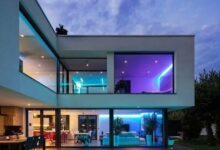
Primary Materials Used in Exterior Wall Construction
The choice of materials for exterior walls is critical to achieving desired performance characteristics and aesthetics. Common materials include:
- Brick: Known for its durability and classic appeal, brick provides excellent insulation and is fire-resistant.
- Concrete: Offers high strength and durability, often used in modern designs for its versatility and structural integrity.
- Wood: Typically used for its natural beauty and warmth, wood requires regular maintenance to prevent decay and pests.
- Stone: Provides a timeless look with exceptional durability, though it can be more expensive and heavier than other materials.
- Metal: Increasingly popular in contemporary designs, metal can be molded and treated for various finishes while offering high resistance to weather.
Common Structural Techniques for Creating Durable Exterior Walls
To ensure longevity and performance, several structural techniques are employed in the construction of exterior walls. These techniques enhance strength, insulation, and resistance to environmental factors.
- Insulated Concrete Forms (ICFs): A method that combines insulation and structural support, offering superior energy efficiency and thermal mass.
- Steel Framing: Utilizes steel studs and tracks to provide a robust framework, resistant to warping, termites, and other common issues associated with wood framing.
- Brick Veneer: A technique that combines a structural frame with a non-load-bearing brick exterior, providing aesthetic appeal while remaining lightweight.
- Shear Walls: Vertical walls designed to resist lateral forces, enhancing the structural integrity of the building against wind and seismic activity.
- Rain Screen Systems: A design that allows rainwater to drain away from the wall, preventing moisture buildup and promoting durability.
Aesthetic Considerations in Exterior Wall Design
The aesthetic appeal of exterior wall design plays a vital role in establishing the overall character and charm of a building. As the first impression of a structure, the exterior walls must not only be functional but also visually striking. This section delves into various styles and trends in exterior wall design, explores color palettes that enhance aesthetics, and highlights decorative elements that can elevate the visual impact of exterior walls.
Styles and Trends in Exterior Wall Design
The evolution of architectural styles has significantly influenced exterior wall designs. From classic to contemporary, various styles cater to different preferences and settings.
- Modern: Characterized by clean lines, smooth surfaces, and a minimalist approach, modern designs often incorporate materials like concrete, glass, and steel.
- Traditional: Traditional styles evoke a sense of history and warmth, often using brick, stone, or wood. These designs can feature ornate moldings and classic color schemes.
- Industrial: This style embraces raw materials such as exposed brick and metal, often found in urban settings. It focuses on functionality while maintaining an edgy aesthetic.
- Rustic: Encompassing natural elements, rustic designs often utilize wood, stone, and earthy colors, creating a cozy and inviting atmosphere.
- Contemporary: A blend of various styles, contemporary designs are characterized by innovative shapes, sustainable materials, and vibrant colors, reflecting current architectural trends.
Color Palettes that Enhance Exterior Wall Aesthetics
The choice of color can drastically alter the perception of a building’s facade. Well-thought-out color palettes can enhance architectural features and harmonize with the surroundings.
- Neutral Tones: Soft grays, whites, and beiges offer a timeless appeal and work well in various settings, allowing other design elements to shine.
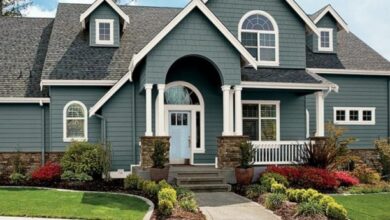
- Earthy Hues: Colors inspired by nature, such as browns, greens, and muted yellows, create a warm and welcoming ambiance, perfect for both rustic and modern designs.
- Bold Accents: Incorporating vibrant colors like deep blues, rich reds, or bright yellows can create focal points and add personality while maintaining a balanced overall aesthetic.
- Monochromatic Schemes: Utilizing varying shades of a single color can produce a sophisticated and cohesive look, enhancing the architectural features without overwhelming the viewer.
Decorative Elements in Exterior Wall Designs
Incorporating decorative elements can elevate the aesthetic quality of exterior walls. These features add character and depth to the design, making it more visually appealing.
- Molding and Trim: Architectural moldings and trim can define edges and enhance visual interest, often seen in traditional and contemporary designs.
- Textured Surfaces: Materials such as stucco, brick, or decorative stone can create varying surface textures, adding dimension to flat walls.
- Window and Door Frames: Well-designed frames can serve as decorative accents, often contrasting or complementing the wall colors.
- Wall Art: Murals, sculptures, or metal art can be strategically placed to add unique flair and create conversation starters.
- Green Elements: Living walls or vertical gardens can introduce natural beauty and promote sustainability, enhancing the overall aesthetic while providing environmental benefits.
“Great design is about more than just function; it’s about creating a lasting impression that resonates with the viewer.”
Functional Aspects of Exterior Walls
Exterior walls play a crucial role in the overall functionality of a building. Beyond their aesthetic value, these walls are integral to energy efficiency, insulation, and compliance with regulatory standards. Understanding these functional aspects can significantly enhance the performance and sustainability of a structure while also contributing to the comfort of its occupants.
Energy Efficiency Measures in Exterior Wall Design
Energy efficiency is a key consideration in modern exterior wall design. The aim is to minimize energy consumption while maximizing comfort. Effective energy efficiency measures include the use of insulated panels, reflective coatings, and energy-efficient glazing systems. These elements work together to reduce heat loss in winter and limit heat gain in summer, thereby decreasing reliance on heating and cooling systems.
- Insulated Wall Systems: These systems typically employ materials like foam insulation, which have high thermal resistance (R-value), thereby improving overall energy efficiency.
- Reflective Coatings: Applying reflective surfaces can help in deflecting solar radiation, reducing the heat absorbed by walls during hot weather.
- Air Barrier Systems: These are designed to prevent air infiltration, which can lead to energy loss and discomfort. Properly installed air barriers significantly enhance the thermal performance of exterior walls.
Contribution of Exterior Walls to Building Insulation
The insulation properties of exterior walls are essential for maintaining a stable indoor environment. Proper insulation not only helps in energy conservation but also enhances the comfort levels of occupants. The effectiveness of wall insulation is influenced by the materials used and their installation quality.
- Material Choices: Common insulation materials include fiberglass, cellulose, and spray foam, each offering different thermal resistance and performance characteristics.
- Installation Techniques: Insulation must be installed correctly without gaps or compression to achieve optimal performance. Continuous insulation strategies can also be employed to eliminate thermal bridges.
- Climate Considerations: The type of insulation chosen may vary based on the local climate conditions, influencing the overall energy efficiency of the building.
Regulatory Standards Influencing Exterior Wall Design
Regulatory standards play a vital role in shaping exterior wall designs, ensuring safety, energy efficiency, and environmental sustainability. Compliance with these standards is essential for obtaining necessary permits and approvals.
- Building Codes: Local building codes establish minimum safety and performance requirements for exterior walls, including structural integrity and fire resistance.
- Energy Codes: Many regions have adopted energy codes that mandate specific levels of insulation and energy efficiency in wall assembly to promote sustainability.
- Environmental Regulations: Compliance with environmental regulations often calls for the use of sustainable materials and practices, influencing the choice of materials and construction methods.
Innovative Materials and Technologies
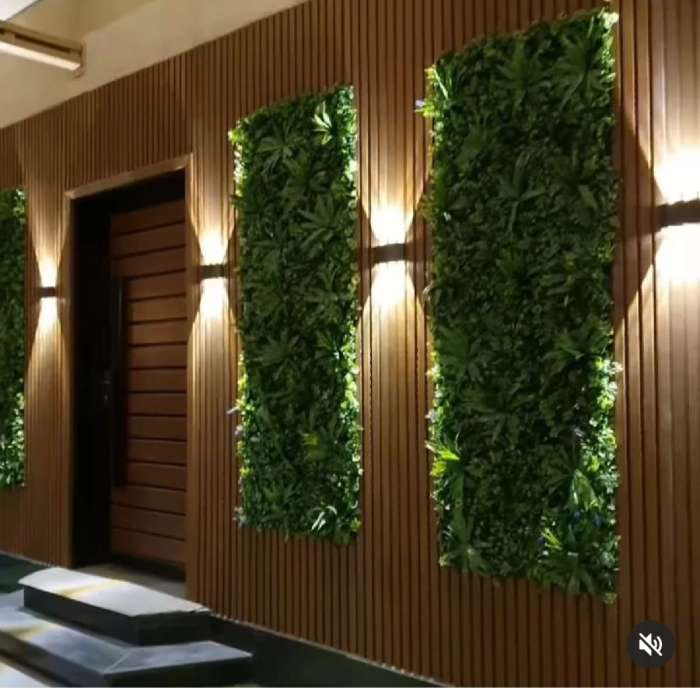
Source: 99acres.com
The landscape of exterior wall design is continuously evolving, driven by the introduction of innovative materials and the integration of advanced technologies. These developments not only enhance the aesthetic appeal of buildings but also improve functionality, sustainability, and energy efficiency. This section explores the latest materials and technologies that are reshaping the approach to exterior wall construction.
Emerging Materials in Exterior Wall Design
A variety of new materials are being developed that promise to revolutionize exterior wall construction. Some notable examples include:
- High-Performance Glass: Utilized for its excellent thermal performance and aesthetic value, high-performance glass allows natural light while minimizing heat gain.
- Insulated Concrete Forms (ICFs): ICFs provide superior insulation compared to traditional concrete, resulting in energy-efficient structures that stand the test of time.
- Fiber Cement Siding: This durable material mimics the appearance of wood while offering resistance to rot, pests, and fire.
- Green Roof Systems: While not traditional walls, green roofs contribute to the exterior design by providing insulation and managing stormwater, creating a living ecosystem on top of buildings.
- Recycled Materials: Innovations in using recycled plastics and metals are gaining traction in exterior wall systems, promoting sustainability in construction.
Technology in Modern Exterior Wall Construction
The integration of technology has dramatically transformed the construction and performance of exterior walls. Smart building technology, in particular, plays a vital role in enhancing energy efficiency and occupant comfort. Here are some technologies reshaping the construction industry:
- Building Information Modeling (BIM): BIM allows architects and engineers to create detailed 3D models, facilitating better planning, coordination, and construction management.
- Smart Glass Technology: This technology enables windows to adjust their tint based on sunlight exposure, improving energy efficiency and interior comfort.
- Prefabrication Techniques: Off-site construction methods reduce waste, labor costs, and construction time, leading to more efficient project delivery.
- Energy Monitoring Systems: These systems provide real-time data on energy usage, allowing for adjustments that enhance efficiency and reduce costs.
Comparison of Traditional and Modern Materials for Exterior Walls
When comparing traditional materials with modern innovations, various factors such as durability, insulation, and sustainability come into play. The following table summarizes key differences:
| Aspect | Traditional Materials | Modern Materials |
|---|---|---|
| Durability | Generally less durable; susceptible to weathering and pests. | High durability; often resistant to elements and pests. |
| Insulation | Limited insulation properties; often requires additional layers. | Enhanced insulation; often integrated into the material itself. |
| Sustainability | Often non-renewable; may require significant resources to produce. | Recycled and renewable options; reduced environmental impact. |
| Installation | Labor-intensive; longer installation times. | Efficient; often uses prefabricated components. |
Modern materials not only improve performance but also prioritize sustainability and efficiency, revolutionizing how we approach exterior wall design.
Sustainability in Exterior Wall Design
Sustainability in exterior wall design is essential for reducing the environmental impact of buildings and promoting energy efficiency. As the construction industry shifts towards greener practices, the selection of materials and technologies plays a pivotal role in achieving sustainable outcomes. By focusing on environmentally friendly options, architects and builders can contribute to the longevity of the planet while enhancing the overall aesthetics and functionality of their designs.
Sustainable Material Selection
Choosing sustainable materials for exterior walls is crucial in minimizing carbon footprints. Materials that are locally sourced, recycled, or have low embodied energy significantly contribute to sustainability. Key considerations include:
- Recycled Materials: Utilizing materials such as recycled steel, glass, or reclaimed wood reduces waste and conserves natural resources. For instance, using recycled steel can save up to 74% of energy compared to producing new steel.
- Low-VOC Materials: Volatile organic compounds (VOCs) can harm indoor air quality. Selecting low-VOC paints, adhesives, and finishes ensures healthier living environments.
- Natural Materials: Materials like straw bales, rammed earth, and bamboo offer renewable options that have minimal environmental impact. Bamboo, for example, grows rapidly and can be a sustainable alternative to traditional lumber.
- Durability: Choosing materials that require less maintenance and have a long lifespan reduces the need for replacements, thus conserving resources over time.
Incorporating Green Technology
Incorporating green technology into exterior wall designs enhances energy efficiency and reduces ecological footprints. Effective methods include:
- Insulation Technologies: Advanced insulation materials, such as aerogel or structural insulated panels (SIPs), provide superior thermal performance, reducing heating and cooling energy demands.
- Photovoltaic Panels: Integrating solar panels into wall designs allows buildings to generate renewable energy on-site, offsetting energy consumption and promoting self-sufficiency.
- Green Facades: Vertical gardens or green walls not only improve aesthetics but also enhance insulation, reduce urban heat island effects, and promote biodiversity in urban settings.
- Smart Glass: Using dynamic glazing that adjusts transparency based on sunlight conditions can help regulate indoor temperatures, further contributing to energy conservation.
Life Cycle Impact of Materials
Understanding the life cycle impact of different exterior wall materials helps in making informed decisions regarding sustainability. This involves assessing the environmental effects from production to disposal. Key phases include:
- Extraction and Manufacturing: The energy and resources used in extracting raw materials and manufacturing products can vary greatly. For instance, concrete has a high carbon footprint due to cement production, while wood from sustainably managed forests can have a much lower impact.
- Transportation: The distance materials must travel affects their overall sustainability. Local sourcing minimizes transportation emissions, making it a preferred choice.
- Use Phase: The energy efficiency of walls during their lifespan is critical. Materials that enhance insulation significantly contribute to lower energy consumption during operation.
- End-of-Life Considerations: The recyclability or biodegradability of materials plays a vital role. Options that can be easily recycled or repurposed at the end of their life cycle reduce waste and discourage landfill use.
Maintenance and Durability: Exterior Wall Design
The longevity and performance of exterior walls are heavily influenced by the maintenance practices they undergo. Understanding the essential maintenance requirements for different materials not only ensures their aesthetic appeal but also enhances their durability against environmental challenges. In this segment, we will delve into common maintenance practices, compare the longevity of materials, and underscore the importance of weatherproofing in sustaining exterior wall integrity.
Common Maintenance Practices for Various Types of Exterior Walls
Regular maintenance is crucial for preserving the structural integrity and appearance of exterior walls. Different materials require specific care to ensure longevity and effectiveness. The following are common maintenance practices categorized by material type:
- Brick Walls: Periodic cleaning to remove algae or mold, checking for loose bricks or mortar joints, and sealing cracks to prevent moisture infiltration.
- Stucco Walls: Inspecting for cracks and applying stucco repair products, as well as regular painting every five to seven years to avoid deterioration.
- Wood Siding: Annual inspections for signs of rot or insect infestation, along with repainting or staining every three to five years to protect against weather conditions.
- Vinyl Siding: Simple washing with soap and water to maintain its look; replacement of damaged panels as needed without extensive upkeep.
- Concrete Walls: Regular sealing to prevent water penetration, along with cleaning and patching any visible cracks or spalling.
Longevity of Different Materials Used in Exterior Wall Construction
The lifespan of exterior wall materials varies significantly based on their composition and environmental exposure. Here’s a comparative overview of the longevity of common materials used in exterior wall construction:
| Material | Estimated Lifespan | Factors Influencing Longevity |
|---|---|---|
| Brick | 50-100 years | Quality of installation, weather conditions, and maintenance frequency. |
| Stucco | 50 years | Moisture exposure, quality of the initial application, and maintenance routines. |
| Wood | 30-50 years | Type of wood, treatments applied, and environmental factors like humidity. |
| Vinyl | 20-40 years | Exposure to sunlight, quality of the material, and installation practices. |
| Concrete | 50-100 years | Quality of mix, environmental conditions, and maintenance efforts. |
Significance of Weatherproofing in Exterior Wall Design
Weatherproofing plays a pivotal role in preserving the durability and performance of exterior walls. The process involves applying protective layers and materials to prevent water infiltration and damage caused by extreme weather conditions. Effective weatherproofing not only enhances the longevity of the structure but also reduces maintenance costs over time.
“Investing in proper weatherproofing techniques can extend the life of exterior walls significantly, ensuring they withstand the elements while maintaining their aesthetic value.”
Key weatherproofing techniques include the application of waterproof membranes, sealants, and coatings designed to block moisture and protect against water damage. These measures are essential in areas prone to heavy rainfall, snow, or extreme heat, where the risk of moisture-related problems is heightened. By prioritizing weatherproofing, homeowners and builders can ensure their exterior walls remain resilient against nature’s elements.
Case Studies in Exterior Wall Design
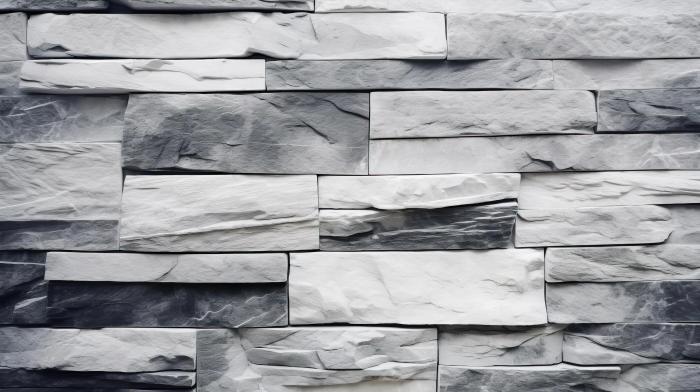
Source: vecteezy.com
In exploring the realm of exterior wall design, it is essential to analyze real-world examples that showcase innovative solutions and strategies. These case studies not only highlight architectural brilliance but also underscore the challenges and lessons learned throughout the construction process. By delving into notable buildings from around the globe, we can better understand the intricacies of exterior wall design.
Notable Building Examples
Several iconic structures exemplify successful exterior wall designs, each bringing unique approaches to aesthetics and functionality. These buildings demonstrate how exterior walls can enhance a structure’s overall appeal while addressing specific environmental and operational challenges.
- Burj Khalifa, Dubai: The tallest building in the world features a triple-lobed footprint that optimizes wind resilience. The exterior is clad in reflective glass and a special coating that reduces heat absorption, addressing the challenge of extreme temperatures.
- Foster + Partners’ Bloomberg London: This building incorporates a ventilated facade that allows for natural airflow, reducing reliance on mechanical systems. The exterior wall is constructed from an innovative material that minimizes carbon emissions during its lifecycle.
- The Edge, Amsterdam: Known for its sustainability, The Edge uses a dynamic facade that adjusts to sunlight, maximizing energy efficiency. The exterior wall’s design allows for natural light penetration while minimizing glare, creating a comfortable work environment.
Challenges in Exterior Wall Construction
The construction of exterior walls often presents significant challenges that architects and builders must navigate. Understanding these hurdles is crucial for future projects, as they can inform best practices and innovative solutions.
The successful execution of exterior wall designs often hinges on collaboration between architects, engineers, and builders to mitigate challenges effectively.
- Material Selection: Choosing materials that balance aesthetics, functionality, and sustainability can be complex. For instance, while glass facades provide modern appeal, they may require additional insulation solutions to combat thermal inefficiency.
- Weather Resistance: External walls must withstand various weather conditions, including heavy rain, snow, and extreme sunlight. The design of the Sydney Opera House faced considerable challenges due to its unique sail-like structure, requiring meticulous engineering to ensure durability.
- Construction Techniques: The implementation of advanced construction techniques can be a double-edged sword. The use of prefabricated wall panels can expedite construction but may face issues in integration at the site.
Lessons Learned from Innovative Projects
Analyzing innovative exterior wall projects provides valuable insights that can guide future designs and constructions. These lessons often stem from overcoming challenges and successful implementation of cutting-edge technologies.
- Integration of Technology: The use of smart building technologies in designing exterior walls, as seen in the Bosco Verticale in Milan, enhances both sustainability and livability. These technologies allow for real-time monitoring and adaptability to changing environmental conditions.
- Community Engagement: Projects like The High Line in New York City emphasize the importance of community input in the design process. This engagement can lead to designs that reflect the needs and desires of the surrounding populace, ultimately enriching urban environments.
- Adaptive Reuse: Converting existing structures into modern edifices, such as the Tate Modern in London, demonstrates the potential of exterior wall design to breathe new life into old buildings. This approach not only preserves history but also addresses contemporary architectural demands.
Future Trends in Exterior Wall Design
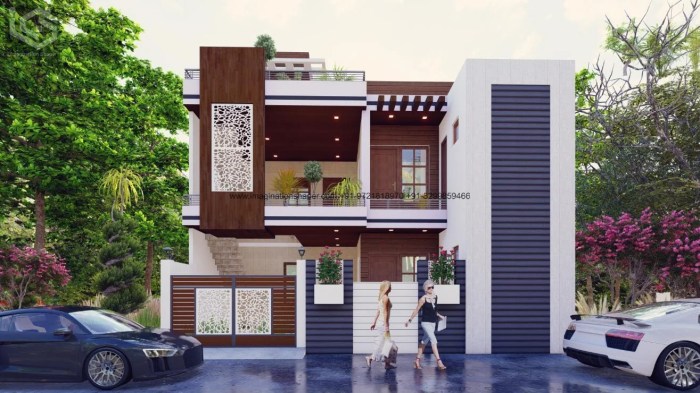
Source: imaginationshaper.com
The next decade is poised to bring transformative changes to exterior wall design, driven by advancements in technology, a growing emphasis on sustainability, and the profound impact of climate change. As architects and designers seek to create buildings that are not only visually appealing but also resilient and efficient, innovative approaches will redefine the construction landscape. This discussion will explore anticipated trends, the influence of environmental factors, and emerging technologies that may revolutionize exterior wall systems.
Anticipated Trends in Exterior Wall Design
Several key trends are expected to shape the future of exterior wall design. These trends reflect a growing awareness of environmental issues and the integration of technology into building practices.
- Smart Walls: Integration of sensors and smart technology into wall systems will enable real-time monitoring of building performance, energy consumption, and structural integrity. This can enhance maintenance strategies and improve energy efficiency.
- Biophilic Design: Incorporating natural elements into exterior wall designs will continue to gain traction. Features like living walls, which consist of greenery and plant life, promote biodiversity and enhance the building’s connection to nature.
- Modular Construction: Prefabricated wall systems will become more common, allowing for faster construction, reduced waste, and enhanced quality control. This method can significantly decrease construction time and costs.
- Adaptive Reuse: As urban areas become denser, the trend of repurposing existing buildings will grow. Designers will focus on enhancing the exterior walls of older structures while maintaining their historical integrity.
Climate Change Influence on Design Choices, Exterior wall design
Climate change is driving architects and builders to rethink material selection and building practices, leading to the adoption of resilient design principles. The increased frequency of extreme weather events necessitates the use of materials that can withstand these challenges.
- High-Performance Insulation: Advanced insulation materials will be essential to meet energy-efficiency standards and provide adequate thermal regulation, reducing the reliance on heating and cooling systems.
- Water-Resistant and Durable Finishes: With rising sea levels and increased rainfall in certain regions, exterior walls will require finishes that can withstand moisture and resist decay, such as treated wood, fiber-reinforced composites, and innovative coatings.
- Heat-Reflective Materials: To combat urban heat islands, exterior walls will increasingly utilize reflective materials that reduce heat absorption, enhancing overall building comfort and energy efficiency.
Revolutionary Technologies in Construction and Materials
The construction industry is on the cusp of several technological innovations that could radically alter traditional methods of exterior wall construction.
- 3D Printing: This technology allows for the rapid production of complex wall structures, reducing labor costs and minimizing waste. 3D-printed walls can be tailored to meet specific design requirements while maintaining structural integrity.
- Self-Healing Materials: Future exterior walls may incorporate materials that can repair themselves when damaged, improving longevity and reducing maintenance requirements.
- Nanotechnology: The application of nanomaterials can enhance the properties of traditional building materials, such as increasing strength, reducing weight, and improving thermal performance.
“The future of exterior wall design is not just about aesthetics; it’s about creating resilient, efficient, and sustainable buildings that can withstand the challenges of tomorrow.”
Final Review
In summary, exterior wall design is a multifaceted aspect of architecture that combines beauty, functionality, and sustainability. As we move towards a future that emphasizes eco-friendly practices and innovative materials, the importance of well-designed exterior walls will continue to grow. By embracing new trends and technologies, we can create structures that stand the test of time while contributing positively to our environment.
Questions Often Asked
What are the best materials for exterior walls?
Common materials include brick, stone, wood, metal, and concrete, each offering unique benefits in terms of durability, aesthetics, and insulation.
How can I improve the energy efficiency of my exterior walls?
Incorporating insulation, using energy-efficient windows, and selecting appropriate materials can significantly enhance energy performance.
What maintenance is required for exterior walls?
Regular inspections, cleaning, and repairs of any damage or wear are essential to maintain both aesthetics and structural integrity.
How do climate conditions affect exterior wall design?
Climate influences material choice, insulation needs, and design features to ensure protection against environmental factors like wind, rain, and temperature fluctuations.
What role do regulations play in exterior wall design?
Building codes and zoning regulations dictate standards for safety, energy efficiency, and aesthetic considerations in exterior wall construction.