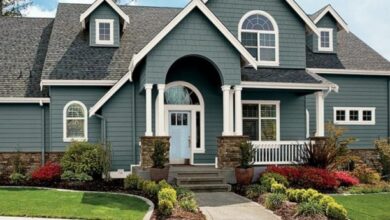
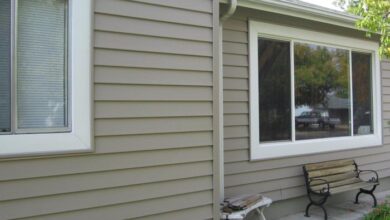
Importance of Home Exterior Improvements
Source: amazonaws.com






Home exterior improvements – Enhancing the exterior of your home is not merely a matter of aesthetics; it plays a crucial role in a variety of areas that can significantly impact your living experience and your financial investment. Curb appeal is often the first impression people have of a property, and it can influence everything from neighborhood dynamics to property value. Investing in exterior improvements can yield substantial benefits, making it a priority for homeowners looking to elevate their space.Exterior improvements provide a gateway to boosting your home’s overall appeal and functionality.
Enhancing curb appeal can create a welcoming environment while also increasing the property’s overall value. According to the National Association of Realtors, homes with high curb appeal can sell for 7-14% more than similar homes with less attractive exteriors. This statistic underscores the potential financial advantages of exterior renovations, demonstrating a clear return on investment for such efforts.
Benefits of Enhancing Curb Appeal
The significance of curb appeal cannot be overstated, as it serves as the first impression for potential buyers, guests, and even neighbors. A well-maintained exterior can create a positive perception of the home. The following factors illustrate the key benefits of enhancing curb appeal:
- Increased Attractiveness: A fresh coat of paint, updated landscaping, and well-maintained pathways can drastically improve the visual appeal of your home.
- Enhanced Neighborhood Value: Aesthetically pleasing homes can elevate the appeal of the entire neighborhood, making it a more desirable place to live.
- Faster Sales Process: Properties that stand out due to their exterior appeal may attract buyers more quickly, reducing time on the market.
- Improved Energy Efficiency: Upgrading windows and doors not only enhances appearance but can also lead to energy savings, contributing to lower utility bills.
Impact on Property Value
Exterior improvements have a direct impact on the overall value of a property, often translating into a higher selling price. Studies indicate that homeowners can expect an average ROI of around 70-80% for exterior renovations. Key exterior upgrades that offer remarkable returns include:
- New Siding: Replacing siding can recoup approximately 75% of its cost upon resale, with vinyl siding being one of the most cost-effective options.
- Landscaping Improvements: Well-designed landscaping can return up to 100% of its cost. Simple enhancements like flower beds or shrubs significantly improve outside aesthetics.
- Deck Addition: A new deck can yield returns of around 80%, providing excellent outdoor living space that appeals to buyers.
“Investing in your home’s exterior not only enhances its beauty but also its marketability and value.”
Statistics on Return on Investment
Recent data highlights the strong financial incentives for homeowners considering exterior renovations. According to Remodeling Magazine’s Cost vs. Value Report, here are some key statistics:
- Garage Door Replacement: This project has an ROI of approximately 94%, making it one of the best investments for immediate return.
- Minor Kitchen Remodel: While not purely exterior, this type of renovation also yields a strong return, around 81%, when considered alongside exterior elements.
- Entry Door Replacement: Steel entry door replacements can provide an ROI of about 75% to 90%, enhancing security and aesthetics.
These statistics demonstrate that strategic investments in home exterior improvements can greatly enhance both the enjoyment of living in your home and its value on the market.
Popular Home Exterior Improvement Projects

Source: azquotes.com
Home exterior improvements enhance not only the functionality of a property but significantly boost its curb appeal. Many homeowners embark on these projects to increase their home’s value, energy efficiency, and overall aesthetics. From simple updates like painting to larger renovations like installing new siding, each project offers unique benefits.One of the most impactful choices homeowners make is in the selection of paint or siding materials.
Fresh paint or new siding can completely transform the look of a home, making it feel modern and inviting. For example, a new coat of paint, especially in trending colors, can rejuvenate the exterior and even help protect surfaces from harsh weather conditions. Similarly, upgrading siding not only enhances aesthetics but also improves insulation, leading to energy savings over time.
Common Home Exterior Improvement Projects
The range of exterior improvement projects available is extensive, allowing homeowners to choose based on their specific needs and budgets. Below are some popular projects that many undertake:
- Siding Replacement: Upgrading siding materials such as vinyl, wood, or fiber cement can greatly improve durability and aesthetics.
- Landscaping: Professionally designed outdoor spaces can enhance curb appeal, increase property value, and create a welcoming environment.
- Deck or Patio Installation: Adding a deck or patio provides outdoor living space that can be enjoyed year-round.
- Exterior Painting: A fresh coat of paint can transform the home’s appearance while providing protection against the elements.
- Window Replacement: Upgrading to energy-efficient windows improves insulation and can reduce energy costs significantly.
The following table compares the costs and benefits of various exterior upgrades, giving homeowners a clearer understanding of their options:
| Project | Average Cost | Estimated ROI | Benefits |
|---|---|---|---|
| Siding Replacement | $10,000 | 75% | Improved insulation, enhanced appearance, increased home value. |
| Landscaping | $5,000 | 100% | Boosts curb appeal and increases overall property value. |
| Deck Installation | $15,000 | 70% | Expands outdoor living space, enhances enjoyment of the home. |
| Exterior Painting | $4,000 | 100% | Major aesthetic improvement and surface protection. |
| Window Replacement | $12,000 | 85% | Increased energy efficiency and improved aesthetic appeal. |
“Investing in home exterior improvements not only enhances the beauty of your property but also increases its market value significantly.”
Sustainable and Eco-Friendly Improvements
Source: webflow.com
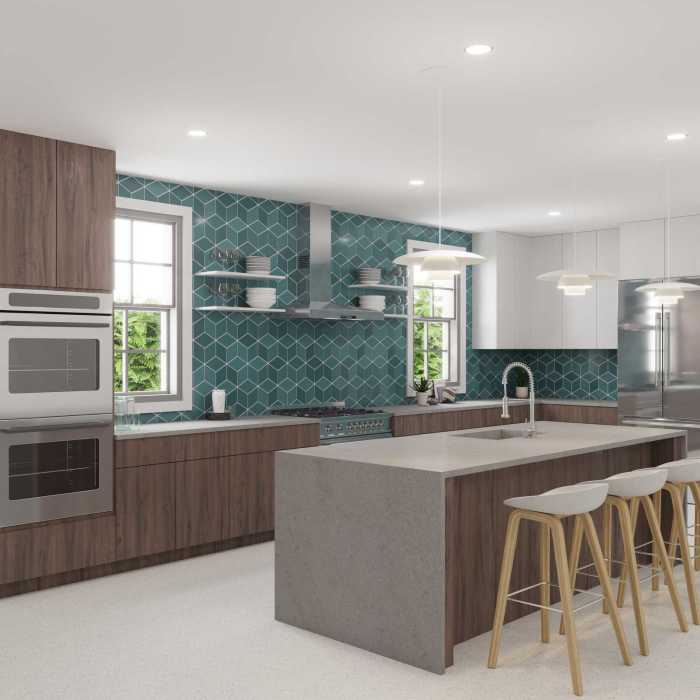
Embracing sustainable and eco-friendly improvements can significantly enhance the ecological footprint of your home while also providing long-term financial benefits. As homeowners seek to reduce their impact on the environment, incorporating sustainable materials and energy-efficient features becomes increasingly important. This section explores methods to integrate eco-friendly solutions into exterior renovations, highlighting the advantages of energy-efficient windows and doors, and discussing the significance of water-efficient landscaping.
Incorporating Sustainable Materials in Exterior Renovations, Home exterior improvements
Using sustainable materials is a game-changer for home exterior improvements, as these materials often have lower environmental impacts compared to traditional options. Homeowners can choose from various eco-friendly materials that not only contribute to a sustainable home but also provide durability and aesthetic appeal. Some popular sustainable materials include:
- Reclaimed Wood: Sourced from old buildings or structures, reclaimed wood can be used for decks, siding, and outdoor furniture, offering a unique character and reducing the demand for new timber.
- Recycled Metal: Metals like aluminum and steel can be recycled and repurposed for roofing and siding, providing longevity and minimal maintenance.
- Composite Materials: Made from recycled plastics and wood fibers, composite decking is a durable and low-maintenance option that reduces landfill waste.
Incorporating these materials not only promotes sustainability but also enhances the overall value and appeal of the home.
Advantages of Energy-Efficient Windows and Doors
Energy-efficient windows and doors play a crucial role in reducing energy consumption, leading to lower utility bills and a smaller carbon footprint. These features are designed to enhance insulation and minimize heat loss, making them a wise investment for homeowners looking to improve efficiency.Key benefits of energy-efficient windows and doors include:
- Lower Energy Costs: By reducing heating and cooling needs, homeowners can save significantly on energy bills. For instance, Energy Star-rated windows can reduce energy use by 15-30%.
- Increased Comfort: Proper insulation helps maintain a consistent indoor temperature, preventing drafts and enhancing overall comfort.
- UV Protection: Many energy-efficient windows are designed to block harmful UV rays, helping to protect furniture and flooring from sun damage.
Investing in these features not only elevates the aesthetic of a home but also aligns with a sustainable living approach.
Importance of Water-Efficient Landscaping
Water-efficient landscaping is an essential aspect of sustainable home improvements, focusing on using native plants and smart irrigation practices to reduce water consumption. This approach not only conserves a precious resource but also promotes environmental health and biodiversity.Benefits of implementing water-efficient landscaping include:
- Reduced Water Usage: Native plants typically require less water and are better adapted to local climates, leading to significant water savings.
- Enhanced Soil Health: Water-efficient landscaping often incorporates techniques like xeriscaping, which promotes healthy soil and reduces erosion.
- Support for Local Wildlife: Choosing native plants encourages local pollinators and wildlife, fostering biodiversity in your outdoor space.
By prioritizing water-efficient practices, homeowners contribute positively to the environment while creating beautiful, sustainable landscapes that require less maintenance.
Choosing the Right Materials
Selecting the right materials for home exterior improvements is essential for both aesthetics and longevity. The materials you choose will impact not only the appearance of your home but also its overall durability and maintenance requirements. Understanding the various options available will help you make informed decisions that align with your style and environment.
Types of Siding Materials
When it comes to siding, there are several popular materials, each with distinct advantages and drawbacks.
- Vinyl Siding: Affordable and low-maintenance, vinyl siding is resistant to rot and pests. However, it can fade over time and may not be as durable as other materials.
- Wood Siding: Offers a classic look and natural insulation properties. It requires regular maintenance to prevent rot and insect damage, and it is susceptible to warping.
- Fiber Cement Siding: This highly durable material is resistant to fire, pests, and can mimic the appearance of wood. Installation can be more expensive, and it may require painting over time.
- Brick and Stone Veneer: Provides a timeless, sturdy appearance and is highly durable. The downside is the higher upfront cost and potential structural challenges in installation.
Selecting Roofing Materials
Roofing materials should be selected based on local climate conditions and desired durability. A roof should not only enhance the home’s exterior but also withstand environmental challenges.
- Asphalt Shingles: Widely used due to their affordability and ease of installation. They work well in various climates but have a shorter lifespan compared to other options.
- Metal Roofing: Highly durable and excellent for shedding snow and rain. While initially pricier, they can last 50 years or more, making them a cost-effective investment in the long run.
- Clay or Concrete Tiles: Ideal for hot climates, these materials are fire-resistant and can last for decades. However, they are heavy and often require additional structural support.
- Wood Shakes: Provide a natural aesthetic and good insulation properties, but they require regular maintenance and may be susceptible to fire hazards.
Factors to Consider for Outdoor Finishes
When choosing outdoor finishes, several factors play a crucial role in ensuring your selections meet your needs, style, and environment.
- Climate Compatibility: Ensure materials can withstand local weather conditions, whether it’s heavy rain, snow, or extreme heat.
- Durability: Assess the lifespan and maintenance requirements of the materials to ensure they will stand the test of time.
- Aesthetic Appeal: Choose finishes that complement the architectural style of your home and match your personal taste.
- Cost: Evaluate the initial costs as well as ongoing maintenance expenses to find a balance between budget and quality.
- Environmental Impact: Consider materials that are sustainable and eco-friendly, reducing your carbon footprint while enhancing your home.
“Choosing the right materials is like laying a solid foundation for your home’s exterior improvements.”
Enhancing Outdoor Spaces
Creating inviting outdoor spaces can significantly elevate the enjoyment and functionality of a home. Emphasizing outdoor living areas helps maximize the use of available space, allowing homeowners to entertain guests, relax, and enjoy nature right outside their doors. From patios to decks, enhancing outdoor areas contributes to the overall aesthetic and value of a property.
Benefits of Adding Outdoor Living Areas
Outdoor living areas such as patios and decks provide numerous advantages for homeowners. They serve as extensions of the home, enabling families to enjoy the outdoors comfortably. These spaces can also increase property value, as many buyers consider outdoor areas an important feature.
- Increased Usable Space: Patios and decks create additional areas for activities such as dining, lounging, and entertaining, making the home feel larger.
- Boosted Home Value: Well-designed outdoor spaces can substantially increase a home’s market appeal and resale value.
- Enhanced Lifestyle: Outdoor living encourages a lifestyle that promotes relaxation, connection with nature, and socialization with friends and family.
Improving Outdoor Lighting
The right outdoor lighting can dramatically change the ambiance of your outdoor spaces. Effective lighting enhances safety and security while also creating a warm and inviting atmosphere for evening gatherings.
- Pathway Lighting: Illuminating walkways with low-voltage lights or solar-powered lanterns enhances safety and guides guests safely to your entrance.
- Accent Lighting: Highlighting trees, shrubs, or architectural features with spotlights adds depth and interest to your garden or patio.
- String Lights: These are perfect for adding a whimsical touch to outdoor seating areas, making them ideal for cozy gatherings or romantic dinners.
Landscaping Features that Complement Home Exteriors
Integrating landscaping features that align with your home’s architectural style and color palette is crucial for creating a cohesive look. Thoughtful landscaping not only enhances curb appeal but also provides functional benefits, such as shade and privacy.
- Flower Beds: Colorful flower beds can add vibrancy and contrast to gray or neutral home exteriors, drawing attention to the landscaping.
- Natural Stone Pathways: These can connect different outdoor areas while providing a rustic charm that complements various architectural styles.
- Raised Garden Beds: These not only offer a unique aesthetic but are also practical for growing vegetables or flowers, enhancing the outdoor experience.
DIY vs. Hiring Professionals: Home Exterior Improvements
When it comes to improving the exterior of your home, homeowners often face the dilemma of whether to tackle the projects themselves or hire professionals. Both options have their merits and drawbacks, and understanding these can help you make an informed decision that suits your budget, skills, and safety considerations.The choice between DIY and hiring professionals largely depends on the complexity of the project, the skill set required, and the safety implications involved.
For smaller, less complicated tasks, a DIY approach can be rewarding and cost-effective. However, larger or more technical projects often benefit from the expertise that professionals offer. It’s essential to weigh the pros and cons of each to determine the best fit for your specific needs.
Benefits of DIY Projects
Several advantages come with choosing the DIY route for home exterior improvements. One primary benefit is cost savings; by handling the work yourself, you save on labor costs associated with hiring contractors. Additionally, DIY projects can provide a sense of accomplishment and personalization, allowing homeowners to infuse their individual style into their homes. DIY can also be flexible, enabling you to work at your own pace and schedule.
Benefits of Hiring Professionals
On the flip side, hiring professionals brings a wealth of experience and knowledge that can streamline the process and ensure high-quality results. Professionals are equipped with the right tools and techniques, which can be especially important for more complex tasks like roofing, electrical work, or extensive landscaping. Their expertise can also provide peace of mind when it comes to meeting local codes and regulations, something that DIYers might overlook.
Safety Considerations and Skill Requirements
Safety should always be a paramount concern in any home improvement project. Some tasks, particularly those involving heavy lifting, working at heights, or handling electrical systems, pose significant risks if not executed correctly. It’s crucial to assess whether you have the necessary skills and safety knowledge before embarking on a project. Basic tasks like painting or gardening are generally safe for most homeowners, whereas more advanced jobs like structural repairs or installations should be left to experienced contractors.
Checklist for Hiring a Professional
To assist homeowners in deciding when to hire a professional, consider the following checklist. This guide focuses on evaluating the complexity of the project, your personal skill level, and safety factors.
- Complexity of the Task: Is the project extensive or specialized? Consider hiring a professional for large-scale renovations or projects requiring expertise.
- Time Commitment: Do you have adequate time to devote to the project? If time is limited, hiring a professional may be the best option.
- Skill Level: Do you have the skills necessary to complete the task safely and effectively? If you’re unsure, it’s safer to consult a pro.
- Safety Risks: Are there significant safety hazards involved? For tasks that could involve risks like heights or hazardous materials, consider hiring a contractor.
- Budget Constraints: Can you afford to hire a professional without compromising your budget? Assess if the investment is justified based on the project’s complexity.
“Choosing between DIY and hiring professionals often comes down to balancing cost, safety, and skill level.”
Seasonal Maintenance for Home Exteriors
Regular seasonal maintenance is crucial for preserving the aesthetic appeal and structural integrity of your home’s exterior. Performing scheduled upkeep not only protects your investments in exterior improvements but also enhances the longevity of your materials. This guide Artikels necessary tasks and timelines to keep your home in prime condition throughout the year.
Identifying Necessary Seasonal Maintenance Tasks
Each season brings specific maintenance tasks that help protect your home’s exterior from the elements. These tasks are essential for preventing damage and ensuring everything looks fresh and inviting.
- Spring: Inspect and clean gutters to prevent water damage, check roof shingles for winter wear, and clean outdoor furniture.
- Summer: Repaint or touch up areas on the siding that may have faded, power wash driveways, patios, and decks to remove dirt and mildew.
- Fall: Clear leaves and debris from gutters and downspouts, inspect windows and doors for drafts, and prepare outdoor spaces for winter by storing furniture.
- Winter: Check for ice dams on roofs, ensure that walkways and driveways are cleared of snow and ice, and inspect exterior lighting for functionality.
Impact of Seasonal Weather on Exterior Materials
Different weather conditions can significantly affect the longevity and appearance of exterior materials. Understanding these impacts helps in choosing the right materials and maintenance routines.
- Heat: Prolonged exposure to sunlight can cause fading, cracking, and warping of materials like wood and vinyl siding.
- Rain: Excess moisture can lead to mold growth and deterioration of materials such as wood and brick if not properly treated.
- Snow: Accumulation can weigh down structures, and melting snow can seep into cracks, exacerbating damage.
- Wind: Strong winds can cause damage to shingles, siding, and outdoor fixtures, making regular inspections necessary.
Creating a Timeline for Regular Upkeep
Establishing a clear timeline for maintenance tasks helps keep your home in excellent condition. A seasonal schedule provides a straightforward guide for homeowners to follow.
| Season | Maintenance Tasks |
|---|---|
| Spring | Check roofs, clean gutters, inspect siding, and power wash exteriors. |
| Summer | Touch up paint, check air conditioning systems, and maintain landscaping. |
| Fall | Prep for winter, store outdoor furniture, and assess heating systems. |
| Winter | Inspect for ice damage, ensure insulation is intact, and maintain heating systems. |
“Regular maintenance prevents costly repairs and enhances the longevity of your home’s exterior.”
Trends in Home Exterior Design
The world of home exterior design is constantly evolving, reflecting changes in lifestyle, technology, and environmental consciousness. As homeowners increasingly prioritize aesthetics along with functionality, keeping up with the latest trends becomes essential for enhancing curb appeal and property value. This section delves into current trends, popular color palettes, and the influence of architectural styles on exterior improvements.
Current Trends in Home Exterior Aesthetics
Home exterior trends today emphasize a harmonious blend of style and sustainability. Key trends include:
- Minimalism: A clean and uncluttered aesthetic that focuses on simplicity and the use of natural materials.
- Dark Exteriors: Rich colors like deep navy, charcoal, and black are becoming increasingly popular, providing a striking contrast to lush greenery.
- Mixed Materials: Combining wood, stone, and metal to create diverse textures and visual interest.
- Smart Technology Integration: The incorporation of smart home features like automated lighting and security systems, seamlessly blended into the exterior design.
Popular Color Palettes for Home Exteriors
The choice of color can significantly influence a home’s visual impact and ambiance. Current popular color palettes often feature:
- Earth Tones: Shades of beige, tan, and green that promote a natural look and feel.
- Soft Pastels: Light shades of blue, pink, and lavender that create a soothing environment.
- Bold Accents: Bright colors like coral or teal used for doorways and shutters to add a splash of vibrancy against neutral backgrounds.
- Monochromatic Schemes: Using varying shades of a single color for a sophisticated and cohesive appearance.
Influence of Architectural Styles on Exterior Improvement Choices
Architectural styles play a pivotal role in shaping exterior improvement decisions, as they dictate the materials, colors, and overall aesthetic appeal of a home. Popular architectural styles and their influences include:
- Modern: Characterized by clean lines and large windows, improvements often focus on sleek materials like steel and glass.
- Craftsman: Emphasizes natural materials and intricate woodwork, leading to improvements that enhance these features.
- Colonial: Traditional and symmetrical, improvements often include classic elements like shutters and brick facades.
- Farmhouse: A blend of rustic charm and modern design, often sees improvements that incorporate reclaimed wood and expansive porches.
Embracing current trends in home exterior design not only enhances the visual appeal but also increases the property value and reflects personal style.
End of Discussion
In conclusion, home exterior improvements not only enhance the visual appeal of your property but also offer considerable returns on investment. By carefully selecting the right projects and materials, homeowners can create beautiful, functional spaces that reflect their personal style while boosting property value. Whether you’re going the DIY route or hiring professionals, the right improvements can lead to a home that you’ll love for years to come.
FAQ Corner
What are some low-cost exterior improvements?
Simple additions like fresh paint, new landscaping, or outdoor lighting can significantly enhance your home’s appearance without breaking the bank.
How do exterior improvements affect home insurance?
Enhancements can potentially lower your home insurance premiums by increasing safety features and reducing risks.
What is the best time of year for exterior renovations?
Spring and early fall are ideal for most exterior projects due to milder weather conditions.
Are there any tax benefits for exterior improvements?
In some cases, energy-efficient upgrades may qualify for tax credits or rebates, so it’s worth checking local regulations.
How can I maintain my home’s exterior after improvements?
Regular maintenance like cleaning, sealing, and inspections will help preserve the quality and appearance of your exterior improvements.