Introduction to Home Exterior Upgrades
Home exterior upgrade – Upgrading your home’s exterior is more than just a facelift; it’s a strategic investment with potential returns. Enhancing the outside of your property can significantly impact its market value and overall appeal, making it an essential consideration for homeowners looking to improve their living environment or attract prospective buyers.Investing in exterior upgrades not only boosts curb appeal but also contributes to energy efficiency and home protection.
Attractive exteriors can create a welcoming atmosphere that reflects personal style while also ensuring durability against the elements. This combination of aesthetic improvement and functional enhancement drives many homeowners to consider renovations, whether for personal satisfaction or financial gain.




Benefits of Enhancing Curb Appeal
Curb appeal is crucial in establishing a positive first impression. A well-maintained exterior indicates care and attention to detail, which can resonate with potential buyers or visitors. Enhancing curb appeal offers several advantages, including:
- Increased Property Value: Homes with appealing exteriors tend to sell for higher prices. Real estate experts often state that a well-kept exterior can increase property value by up to 10%.
- Faster Sales: Homes that look good from the outside often sell faster. Effective curb appeal can attract more interest and expedite the selling process.
- Energy Efficiency: Upgrades such as new siding or windows can improve insulation, reducing energy costs and enhancing comfort.
- Personal Enjoyment: Aesthetic improvements can increase personal enjoyment of your home, creating an inviting space for family and friends.
Common Reasons for Investing in Exterior Upgrades
Homeowners often choose to invest in exterior upgrades for various motivating factors. Recognizing these reasons can help in understanding the significance of such investments:
- Enhancing Safety: Improving exterior features like lighting or railings can enhance safety for family members and guests.
- Maintenance and Repairs: Deterioration over time can necessitate upgrades, making them not only a choice but a necessity for preserving the home’s structural integrity.
- Personal Style and Trends: Homeowners may wish to reflect their personality or keep up with current design trends that resonate with their taste.
- Environmental Considerations: Many homeowners are opting for sustainable materials and technologies that reduce environmental impact, such as eco-friendly paints or solar panels.
Investment in exterior upgrades is not just about aesthetics; it’s about enhancing the overall experience of homeownership and securing long-term value.
Popular Exterior Upgrade Options
Upgrading the exterior of your home not only enhances its curb appeal but also contributes to its overall value and energy efficiency. With a multitude of options available, homeowners can choose upgrades that best suit their personal style and budget. This section highlights some of the most popular exterior upgrade options, providing insights into their features and benefits.
Siding Materials and Their Benefits
Selecting the right siding for your home is crucial, as it affects aesthetics, durability, insulation, and maintenance needs. Below is a comprehensive overview of the most favored siding materials.
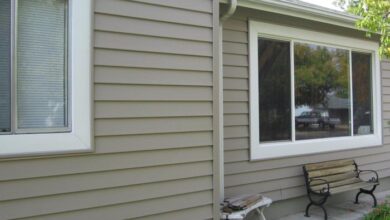
- Vinyl Siding: Known for its affordability and low maintenance, vinyl siding comes in a variety of colors and styles. It is resistant to moisture and insects, making it a durable option.
- Wood Siding: Offering a classic, natural aesthetic, wood siding can be stained or painted to match any design. However, it requires regular maintenance to prevent rot and insect damage.
- Fiber Cement Siding: This material is made from a mixture of cement, sand, and cellulose fibers, providing exceptional durability and resistance to fire, insects, and rot. Fiber cement can mimic the appearance of wood or stucco.
- Stucco: Commonly used in warmer climates, stucco provides a seamless finish and excellent insulation. It is durable but can crack, requiring occasional repairs.
- Metal Siding: Available in aluminum and steel options, metal siding is resistant to fire, insects, and rot. Its sleek look complements modern architectural styles and requires minimal maintenance.
Roofing Options for Home Improvement
Upgrading your roof not only protects your home but also contributes significantly to energy efficiency and aesthetic appeal. Here are some of the most popular roofing materials and their respective advantages.
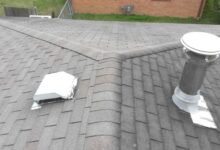
- Asphalt Shingles: A common choice for homeowners due to affordability and ease of installation. They come in various colors and styles, providing versatility.
- Metal Roofing: Known for its longevity and durability, metal roofs can last 50 years or more. They provide excellent insulation and reflect heat, which can reduce energy costs.
- Clay and Concrete Tiles: Offering a distinctive look, tile roofs are very durable and energy-efficient. They are resistant to fire and can withstand harsh weather conditions.
- Slate Roofing: Slate is a natural stone that provides a unique, elegant appearance. While it’s one of the most expensive options, its longevity and aesthetic appeal can justify the investment.
- Wood Shingles and Shakes: These roofing options offer a natural and rustic look. They require maintenance to protect against rot and insects but can add significant character to a home.
“Choosing the right siding and roofing materials can enhance your home’s aesthetic appeal while improving its energy efficiency and durability.”
Landscaping and Outdoor Spaces
Landscaping plays a crucial role in enhancing the exterior appearance of a home, adding value and aesthetic appeal. A well-planned landscape not only beautifies the surroundings but also creates an inviting atmosphere that complements the architecture of the home. Integrating thoughtful landscaping elements can transform the overall feel of a property, making it a comfortable space for relaxation and outdoor activities.Designing outdoor living spaces, such as patios and decks, involves careful consideration of layout, materials, and functionality.
These areas serve as extensions of living spaces, perfect for entertaining guests or enjoying quiet evenings outside. Here are some effective methods for designing these outdoor spaces that blend seamlessly with the home’s exterior:
Designing Patios and Decks
When creating patios or decks, it’s important to focus on how these spaces will be used. The layout should facilitate easy movement and accommodate furniture arrangements. Consider the following elements for a successful design:
- Material Selection: Choose durable materials that complement the home’s exterior, such as hardwood, composite decking, or stone pavers. Each option has its aesthetic and practical benefits.
- Functional Zones: Divide the space into areas for dining, lounging, and cooking. This fosters a more organized and enjoyable outdoor experience.
- Accessibility: Ensure that the outdoor space connects smoothly to indoor areas through wide doorways or sliding glass doors, inviting easy access between the two environments.
- Landscaping Integration: Incorporate surrounding plants and trees to create a natural barrier or enhance privacy, making the outdoor space feel cozier and more secluded.
Outdoor Lighting Options
Effective outdoor lighting complements exterior upgrades and enhances the evening ambiance. The right lighting not only increases safety but also highlights key features of landscaping and architecture. Here are several types of outdoor lighting to consider:
- Pathway Lights: These lights illuminate walkways and driveways, guiding guests safely while enhancing the beauty of landscaped paths.
- String Lights: Ideal for patios and decks, string lights create a warm, inviting atmosphere for gatherings and can be hung from trees, posts, or along fences.
- Spotlights: Use spotlights to accentuate specific landscaping features, such as sculptures, trees, or water features, creating focal points that draw the eye.
- Wall Washers: These lights cast a soft glow on vertical surfaces, such as the exterior of the house or garden walls, enhancing texture and depth.
“Well-designed outdoor spaces not only elevate the beauty of your home but also enhance the overall quality of life by providing serene environments for relaxation and entertainment.”
Energy Efficiency Improvements
Upgrading your home’s exterior not only boosts its aesthetic appeal but can also significantly enhance energy efficiency. Implementing energy-efficient upgrades is a smart way to reduce your utility bills and lower your carbon footprint. Here, we’ll dive into some methods for improving your home’s energy efficiency through windows, insulation, and exterior doors.
Window Upgrades for Better Energy Efficiency
Upgrading your windows can have a remarkable impact on your home’s energy consumption. Modern window technologies are designed to minimize heat loss and gain, leading to substantial energy savings. Key methods include:
- Double or Triple Glazing: This involves multiple layers of glass separated by argon gas, which serves as an insulator. These windows can reduce heat transfer by up to 50% compared to single-pane windows.
- Low-E Coatings: Low-emissivity (Low-E) coatings reflect heat back into your home during winter and keep it out during summer. This helps maintain a stable indoor temperature.
- Energy Star Rated Windows: Choosing windows that meet Energy Star standards ensures they are tested for energy efficiency, providing peace of mind that you’re making a smart choice.
Benefits of Installing Insulation in Exterior Walls
Proper insulation in exterior walls is crucial for energy conservation, as it acts as a barrier to heat transfer. Insulation keeps your home warm in the winter and cool in the summer, leading to lower heating and cooling costs. Key benefits include:
- Reduced Energy Bills: Effective insulation can cut your energy bills by 15% to 30%, depending on the climate and existing insulation levels.
- Improved Indoor Comfort: Consistent indoor temperatures result in a more comfortable living environment, minimizing cold spots and drafts.
- Noise Reduction: Insulation also serves to dampen sound, making your home quieter and more peaceful.
Energy-Saving Exterior Doors
Installing energy-efficient exterior doors can further enhance your home’s energy performance. These doors are designed to minimize air leakage and are often made from materials that provide excellent insulation. Considerations include:
- Fiberglass Doors: These doors provide superior insulation, resist dents and scratches, and are available in various styles and finishes, making them both practical and stylish.
- Steel Doors with Insulation: Steel doors, when properly insulated, can prevent heat transfer and are exceptionally durable, further enhancing security while saving energy.
- Weatherstripping and Thresholds: Proper installation of weatherstripping and door thresholds can eliminate air leaks, ensuring that conditioned air stays inside where it belongs.
“Investing in energy-efficient upgrades for your home can yield significant savings and enhance your overall comfort.”
Exterior Paint and Finishes
Updating your home’s exterior paint and finishes can significantly enhance its overall aesthetic appeal and longevity. A well-chosen color scheme not only boosts curb appeal but also reflects personal style. Additionally, the right finishes provide protection against weather elements, ensuring your investment remains intact for years to come. Understanding the fundamentals of color selection, finish types, and application techniques is key to achieving a successful exterior upgrade.Choosing the right exterior paint colors involves more than just personal preference; it requires consideration of your home’s architectural style, the surrounding environment, and local trends.
Using a cohesive color palette can create a harmonious look that ties the home to the landscape. Often, it is beneficial to draw inspiration from nature or existing structures in your neighborhood. Some key considerations when selecting colors include:
- Architectural Style: Traditional homes may benefit from classic colors, while modern designs can handle bolder, contemporary shades.
- Neighborhood Aesthetics: Ensure your color choices complement nearby homes, enhancing rather than detracting from overall appeal.
- Lighting Conditions: Test paint samples at different times of day to see how natural light affects the colors.
Types of Exterior Finishes and Maintenance Requirements, Home exterior upgrade
Understanding the various types of exterior finishes is essential for maintaining the beauty and durability of your home’s exterior. Each finish has unique characteristics that influence both its appearance and the level of maintenance required. Common types of exterior finishes include:
- Flat or Matte Finish: Offers a non-reflective surface that hides imperfections well but may require frequent repainting due to staining.
- Eggshell Finish: Provides a subtle sheen and is more durable than flat finishes. It is easier to clean and ideal for areas that experience moderate wear.
- Satin Finish: Offers a soft sheen that enhances color vibrancy and is suitable for high-traffic areas. It holds up well to cleaning and weathering.
- Semi-Gloss and Gloss Finishes: Highly durable and moisture-resistant, making them excellent choices for trim and accents. They require more maintenance to keep their shine.
Regular maintenance is crucial for extending the life of your exterior finish. Routine inspections for peeling, cracking, or fading paint help address issues before they escalate.
Proper Application Techniques for Durability
Applying paint correctly is vital for ensuring long-lasting results. Proper preparation and application techniques can significantly enhance the durability of the paint job. Consider the following steps for effective application:
- Surface Preparation: Thoroughly clean the surface, removing dirt, mildew, and loose paint. Sanding rough areas and filling in cracks will create a smooth base for painting.
- Primer Application: Using a high-quality primer helps seal the surface and provides a uniform base for the paint, especially on bare wood or previously unpainted surfaces.
- Quality Paint Selection: Choose high-quality exterior paint that is suited for your climate conditions, as this will resist fading and peeling better than lower-grade products.
- Application Method: Utilize a brush for edges and intricate areas, while using rollers for larger flat surfaces. Spraying can also be an efficient option but requires more masking.
- Weather Considerations: Paint during optimal weather conditions, typically in mild temperatures with low humidity, to ensure proper drying and adhesion.
Remember, a well-executed painting project not only improves aesthetics but also safeguards your home against the elements.
Enhancing Entryways
Source: rambuilders.com
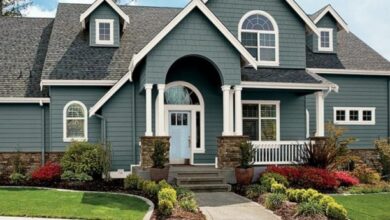
Creating an inviting and attractive entryway can significantly elevate the overall appeal of your home. The entryway serves as the first impression guests receive and plays a vital role in the aesthetics of your property. By focusing on key elements that enhance this space, homeowners can transform their entryways into welcoming focal points.Key elements that improve the appearance of home entryways include the front door, lighting, and landscaping.
A well-chosen front door not only adds character but also provides security and energy efficiency. Complementing this with appropriate lighting can enhance visibility and set the mood, while well-maintained landscaping can create a warm and inviting atmosphere.
Checklist for Upgrading Front Doors and Entry Features
Upgrading your front door and surrounding features not only boosts curb appeal but can also increase the value of your home. Here’s a comprehensive checklist to guide your enhancement process:
- Choose a durable material for the door (wood, fiberglass, or steel).
- Select a color that complements your home’s exterior. Consider trendy hues like navy blue or deep green.
- Incorporate decorative hardware, like unique doorknobs and hinges, to add character.
- Install a stylish doorbell or smart doorbell for added convenience and security.
- Add sidelights or transom windows to increase natural light and visual appeal.
- Consider a new entry mat that reflects your style while being functional.
- Enhance the entryway with potted plants or seasonal decorations for a homey touch.
Impact of Porch Renovations on Overall Home Aesthetics
Porch renovations can transform the overall look of a home, creating a seamless transition from the outdoor environment to the interior. A well-designed porch can serve as a multifunctional space for relaxation or social gatherings, enhancing the lifestyle of homeowners.Investing in porch features such as railings, flooring, and furnishings can significantly improve aesthetic appeal. For example, switching to a composite decking material can provide a modern look while being low maintenance.
Moreover, decorative railings can add charm and safety, while comfortable seating arrangements can make the space inviting.
“A porch is not just an entryway; it’s an extension of your home where comfort meets style.”
To create a welcoming atmosphere, consider incorporating elements like outdoor rugs, throw pillows, and ambient lighting. These additions not only beautify the space but also make it more functional. By focusing on these enhancements, homeowners can ensure their entryways leave a lasting impression.
Outdoor Accessories and Features
Source: hzcdn.com
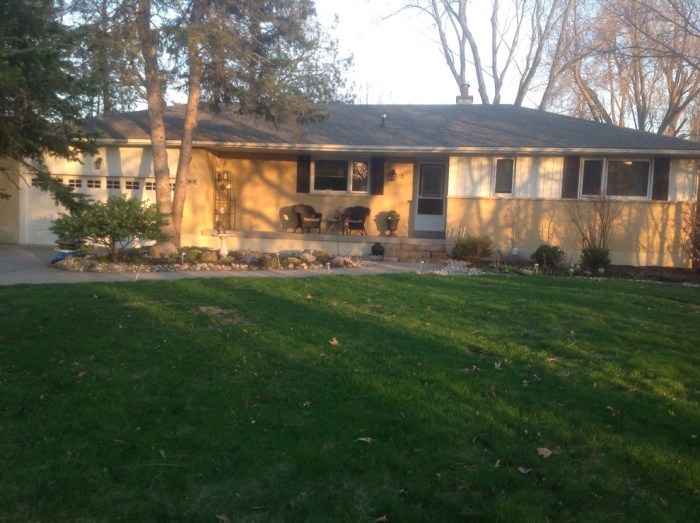
Enhancing your home’s exterior goes beyond just structural upgrades; the right outdoor accessories can significantly elevate the overall aesthetic and functionality of your space. Thoughtfully chosen accessories not only add visual appeal but also reflect your personal style, making your home stand out in the neighborhood.One impactful way to personalize your home’s exterior is by incorporating various accessories that complement your upgrades.
These items can range from practical fixtures to decorative elements. Below is a selection of outdoor accessories that can enhance your home’s curb appeal:
Complementary Outdoor Accessories
Selecting the right accessories is crucial for tying together your home’s exterior upgrades. Here are some essential accessories to consider:
- Mailboxes: Stylish mailboxes can serve as a focal point at the end of your driveway, adding character and charm to your property.
- House Numbers: Unique and visible house numbers not only enhance aesthetic appeal but also improve safety and accessibility for guests and emergency services.
- Outdoor Lighting: Well-placed lighting fixtures can illuminate pathways and highlight architectural features, enhancing safety and ambiance during the evening hours.
- Garden Statues and Sculptures: Thoughtfully placed sculptures can add personality and a touch of whimsy to your garden or yard.
- Planters and Window Boxes: These can serve as beautiful accents, allowing you to showcase seasonal flowers or greenery in a decorative container.
In addition to these accessories, the presence of fences and gates can play a significant role in defining your outdoor space.
Fences and Gates for Privacy and Style
Fences and gates contribute not only to privacy but also to the overall style of your property. A well-designed fence can enhance the architectural elements of your home while providing a sense of security.
“A good fence makes a good neighbor, but it also makes a great yard.”
Consider the following aspects when choosing fences and gates:
- Material Selection: Wood, vinyl, and wrought iron all offer different aesthetics and levels of maintenance. Choose a material that aligns with your home’s architectural style.
- Height and Design: Taller fences provide more privacy, while decorative styles can enhance visual interest. Pick a design that complements your home’s exterior.
- Color Coordination: A fence painted in a color that harmonizes with your home can create a cohesive look across your exterior upgrades.
Finally, decorative elements such as shutters and window boxes can greatly impact the charm of your home.
Decorative Shutters and Window Boxes
Incorporating decorative elements like shutters and window boxes can significantly enhance the visual appeal of your windows and overall façade. These features bring depth and personality, making your home feel more inviting.
- Shutters: Functional or decorative shutters can frame your windows, providing a classic look. Choose styles that match your home’s architecture, whether traditional or contemporary.
- Window Boxes: Adding window boxes allows you to introduce vibrant blooms or lush greenery right at your windows, creating an enchanting view from both inside and out.
- Color and Material: Consider using weather-resistant materials and colors that complement your exterior paint to ensure longevity and harmony.
Budgeting for Home Exterior Upgrades
Source: canadianhometrends.com
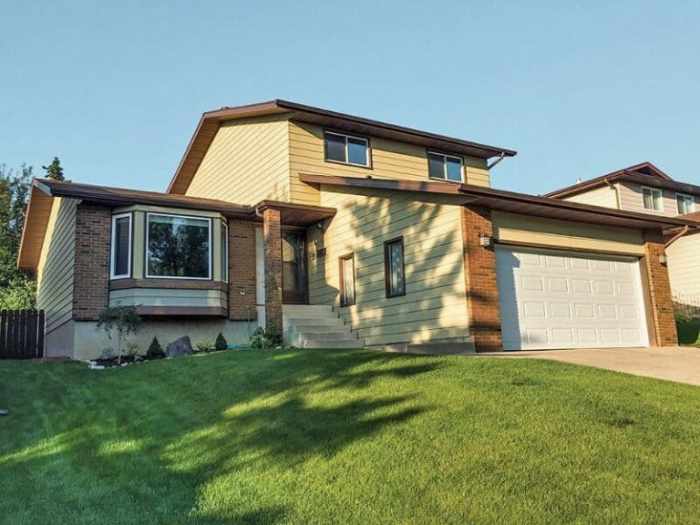
When planning for home exterior upgrades, understanding your budget is essential to ensure your project is financially feasible and aligns with your goals. A well-structured budget will allow you to prioritize upgrades and make informed decisions throughout the improvement process.Estimating costs for exterior upgrades involves various factors, including materials, labor, and the scope of your project. Homeowners should begin by researching typical costs in their area and gathering quotes from contractors.
This preliminary research will provide a clearer picture of the financial commitment required.
Cost Estimation Strategies
To effectively estimate costs related to your exterior upgrades, consider the following strategies:
- Research local market prices for materials and services. Websites like HomeAdvisor or Angie’s List can provide valuable insight into average costs.
- Break down projects into smaller components. This allows for more precise budgeting and a clear view of each upgrade’s cost.
- Factor in contingency costs of about 10-20% for unexpected expenses that may arise during the project.
Financing Options for Homeowners
Several financing options are available for homeowners considering exterior improvements. Choosing the right option can facilitate your upgrades while managing your budget effectively.
- Home Equity Loans: These allow homeowners to borrow against the equity in their home, providing larger amounts at lower interest rates.
- Personal Loans: Unsecured personal loans can be used for smaller projects, often with quicker approvals.
- Home Improvement Loans: These are specifically designed for renovations and may offer flexible payment terms.
- Credit Cards: For smaller expenses, using a credit card can provide immediate funds, but be cautious of high-interest rates.
Prioritizing Upgrades Based on Budget Constraints
Prioritizing upgrades is crucial, especially when operating within a limited budget. Focus on projects that provide the highest return on investment or enhance your home’s safety and curb appeal.
- Start with necessary repairs, such as roof replacements or siding repairs, which can prevent larger issues later.
- Consider energy-efficient upgrades, like better insulation or windows, which can reduce utility bills and improve comfort.
- Invest in aesthetic improvements that enhance your home’s value, such as landscaping or exterior paint, which can significantly boost curb appeal.
Remember, a well-planned budget not only helps you manage your expenses but also maximizes the impact of your upgrades on your home’s value.
Summary: Home Exterior Upgrade
In summary, embarking on a home exterior upgrade journey can lead to remarkable transformations that elevate both the beauty and efficiency of your property. By carefully considering your options—ranging from landscaping to energy-saving improvements—you can create a home that not only stands out in the neighborhood but also provides lasting comfort and value. So why wait? Take the first step towards your dream exterior today!
FAQ Guide
What are the most cost-effective exterior upgrades?
Simple upgrades like fresh paint, new house numbers, and landscaping can provide significant improvements without breaking the bank.
How often should I consider upgrading my home’s exterior?
It’s recommended to assess your home every 5-10 years for potential upgrades based on wear and changing trends.
Can exterior upgrades help with energy savings?
Yes, upgrades like energy-efficient windows and insulation can lead to reduced energy costs over time.
What factors should I consider when choosing siding materials?
Durability, maintenance requirements, aesthetic appeal, and local climate conditions are key factors to consider.
Are there financing options available for exterior upgrades?
Many banks and lenders offer home improvement loans or home equity lines that you can explore for financing upgrades.