Design Elements for House Exteriors
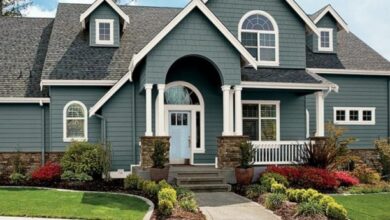
House exterior ideas – Enhancing the exterior of a house is pivotal in creating a lasting first impression. The design elements chosen for the exterior can reflect personal style, harmonize with the surroundings, and contribute to the overall aesthetic appeal of the home. This discussion will delve into various aspects that significantly influence exterior design, focusing on color schemes, materials, and architectural styles.
Significance of Color Schemes in Enhancing Exterior Aesthetics
Color schemes play a critical role in defining the personality of a home. The right palette can create mood, evoke feelings, and influence how a space is perceived. A well-chosen color scheme can elevate the exterior’s beauty and improve the home’s curb appeal.






- Complementary Colors: Pairing colors that are opposite on the color wheel can create visual interest. For instance, a light gray house with dark blue trim can create a striking balance.
- Monochromatic Schemes: Using varying shades of a single color can create a sophisticated and cohesive look. For example, different shades of beige can add depth without overwhelming the viewer.
- Bold Accents: Incorporating bold colors as accents, like a bright red door against a neutral exterior, can make a statement and highlight architectural features.
Materials Commonly Used for Siding and Their Impact on Home Style
The choice of siding material significantly influences the architectural style and durability of a home. Various materials offer distinct aesthetics and functional benefits, making them essential in exterior design.
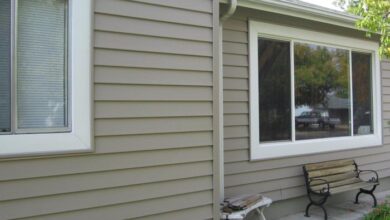
- Vinyl Siding: Known for its versatility and low maintenance, vinyl siding comes in a plethora of colors and styles, making it suitable for traditional and modern homes alike.
- Wood Siding: Offering natural beauty and texture, wood siding can be painted or stained to match any design style. However, it requires regular maintenance to prevent rot and insect damage.
- Fiber Cement Siding: This material mimics the appearance of wood or stucco while providing superior durability and resistance to fire and pests, ideal for contemporary homes.
- Brick and Stone: These timeless materials convey elegance and strength, often used in traditional and colonial-style homes. Their longevity makes them a popular choice for lasting appeal.
Creative Ideas for Integrating Architectural Styles into Exterior Design, House exterior ideas
Integrating various architectural styles into the exterior design can create a unique and charming home. This blend can enhance character and set a home apart in a neighborhood filled with conventional styles.
- Modern Rustic: Combining natural materials like wood and stone with sleek lines and large windows creates a warm, inviting exterior that is simultaneously contemporary.
- Craftsman and Colonial Fusion: Incorporating Craftsman details, such as exposed beams and wide eaves, into a Colonial framework can result in a charmingly eclectic look.
- Industrial Chic: Using raw materials like metal, brick, and concrete in a residential setting can give a modern edge while paying homage to industrial architecture.
“The exterior of your home is the first thing people see; designing it well can make all the difference in its aesthetic appeal.”
Landscaping Ideas to Complement House Exteriors: House Exterior Ideas
Landscaping plays a crucial role in enhancing the overall appeal of a house’s exterior. A well-designed landscape not only increases curb appeal but also creates a welcoming and harmonious environment around your home. Effective landscaping can transform a plain facade into a stunning visual experience that reflects your personal style and complements your house’s architecture.Choosing the right plants for your landscape is essential, as different climates support varied plant species.
Selecting plants that thrive in your local environment not only ensures their survival but also enhances the beauty of your exterior. Here are some popular plant choices for different climates along with their aesthetic contributions:
Plant Options for Diverse Climates
Understanding the local climate is vital for successful landscaping. Below are various plants grouped by climate zones:
- Tropical Climate: Plants like hibiscus, bougainvillea, and palm trees flourish in warm, humid areas, lending a vibrant and exotic feel to your exterior.
- Temperate Climate: Consider using azaleas, hydrangeas, and boxwoods, which offer seasonal blooms and lush greenery, providing color and structure throughout the year.
- Desert Climate: Succulents, cacti, and agave are drought-resistant and can create a striking, low-maintenance landscape that showcases unique shapes and colors.
- Cold Climate: Evergreens, such as pines and spruces, maintain their foliage in winter, providing year-round beauty and a natural windbreak.
In addition to plant choices, hardscaping features can significantly elevate the appearance of your home’s exterior. These elements add structure, texture, and functionality to your landscape design. Consider the following hardscaping features that enhance aesthetic appeal:
Hardscaping Features to Enhance Curb Appeal
Integrating hardscaping elements into your landscaping plan creates balance and visual interest. Here are some features to consider:
- Patios: A well-placed patio made from natural stone or pavers can serve as an outdoor living space, seamlessly connecting the indoors with the outdoors.
- Walkways: Curved walkways lined with attractive stones or bricks lead visitors to your front door while adding charm and guiding the eye.
- Retaining Walls: These structures can create levels in your landscape, prevent erosion, and provide a backdrop for planting beds.
- Water Features: Fountains or small ponds add a serene element to your yard, attracting wildlife and creating a peaceful atmosphere.
“A well-planned landscape not only enhances the exterior beauty of a home but also increases its value and appeal.”
By thoughtfully selecting plants and hardscaping elements that reflect your style while considering your climate, you can create a stunning exterior landscape that beckons admiration and enhances your home’s charm.
Innovative Lighting Options
Source: artfasad.com
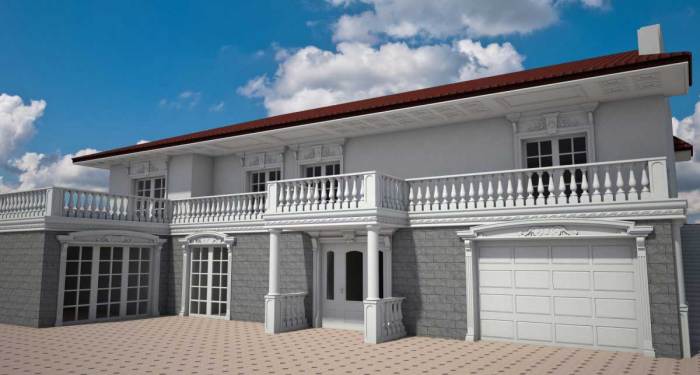
Exterior lighting plays a pivotal role in enhancing the aesthetic appeal and functionality of a house’s architecture. By strategically illuminating key features, homeowners can create an inviting atmosphere while also ensuring safety and security. Proper lighting not only highlights architectural details but also adds character to the overall design of the home.One effective way to enhance architectural features is through the use of uplighting, which directs light upwards to accentuate the texture and form of walls, columns, or decorative elements.
Another technique is downlighting, which creates a soft glow from above, perfect for entrances or outdoor seating areas. Additionally, wall sconces can frame doorways, while step lights provide visibility along pathways, ensuring safe navigation through outdoor spaces.
Lighting Techniques for Landscaping and Pathways
Incorporating lighting into landscaping and pathway designs can significantly elevate the visual appeal of outdoor spaces. Various techniques help create ambiance while highlighting the beauty of plants and landscaping features.To effectively illuminate landscapes and pathways, consider the following techniques:
- Path Lights: Low-level lights along walkways provide a guiding light, enhancing safety and visibility while adding charm to the garden.
- Spotlights: These can be used to highlight specific plants, trees, or sculptures, creating focal points in the landscape and drawing attention to unique features.
- String Lights: Perfect for patios or garden areas, these lights add a whimsical touch and can transform spaces for entertaining or relaxing.
- Garden Lights: Subtle fixtures can illuminate flower beds or shrubs, creating a magical effect at night without overshadowing the plants.
- Recessed Lighting: Installed in walls or pathways, this type of lighting offers a sleek, modern look while providing ample illumination for safety.
Energy-Efficient Lighting Options for Outdoor Use
Choosing energy-efficient lighting for outdoor areas not only reduces electricity costs but also minimizes environmental impact. Various options are designed specifically for outdoor use, ensuring durability and performance.Here’s a list of energy-efficient lighting options that suit outdoor applications:
- LED Bulbs: These bulbs consume up to 80% less energy than traditional incandescent bulbs and have a longer lifespan, making them a smart choice for outdoor lighting.
- Solar-Powered Lights: Utilizing solar energy, these lights charge during the day and automatically illuminate at night, providing a cost-effective and eco-friendly solution.
- CFL Bulbs: Compact fluorescent lamps are another energy-saving option, offering bright light with lower energy consumption compared to incandescent bulbs.
- Smart Lighting Systems: These allow for automated control, including dimming and scheduling, leading to optimal energy usage based on individual needs.
- Low-Voltage Lighting: This system reduces energy consumption and is easy to install, making it ideal for landscape lighting.
Incorporating innovative lighting options enhances both the function and beauty of a home’s exterior, making it a vital aspect of effective home design. By utilizing various techniques and energy-efficient solutions, homeowners can achieve a stunning outdoor ambiance that reflects their style and enhances their property’s value.
Sustainable Exterior Design Choices
Sustainable exterior design choices focus on reducing environmental impact while enhancing the aesthetic appeal and functionality of a home. As homeowners become increasingly aware of sustainability, opting for eco-friendly materials and energy-efficient features has become crucial. This approach not only benefits the planet but can also lead to long-term savings on energy costs and maintenance.
Eco-Friendly Materials for House Exteriors
Choosing eco-friendly materials is a significant step towards achieving sustainability in exterior design. These materials often have lower environmental footprints, are recyclable, and can enhance the overall durability of a home. Some popular eco-friendly materials include:
- Reclaimed Wood: Using wood salvaged from old buildings minimizes deforestation and reduces waste. It adds character to home exteriors while being environmentally friendly.
- Composite Decking: Made from recycled wood and plastic, composite decking offers durability without the need for chemical treatments, making it a safer choice for families and the environment.
- Bamboo: Fast-growing and renewable, bamboo is an excellent siding choice. It is incredibly durable and resistant to moisture, making it suitable for various climates.
- Fiber-Cement Siding: This material is composed of cement, sand, and cellulose fibers. It is non-toxic, fire-resistant, and has a long lifespan, contributing to lower maintenance needs.
These materials not only promote sustainability but also often provide better insulation and energy efficiency.
Energy-Efficient Windows and Doors
Energy-efficient windows and doors are crucial elements in sustainable exterior design. They help regulate indoor temperatures, reducing the need for heating and cooling systems. Key features of these products include:
- Low-E Glass: Windows with low-emissivity (Low-E) coatings reflect heat back into the home while allowing natural light to enter. This reduces energy consumption for heating in winter and cooling in summer.
- Double or Triple Glazing: Multiple panes of glass provide better insulation and can significantly decrease heat loss, which is essential for maintaining energy efficiency.
- Weather Stripping and Seals: Properly sealed windows and doors minimize drafts and prevent energy loss, ensuring that heating and cooling systems work efficiently.
- Energy Star Certification: Choosing windows and doors with the Energy Star label ensures that they meet strict energy efficiency guidelines, providing long-term savings and environmental benefits.
Investing in these energy-efficient features not only contributes to a more sustainable home but also enhances comfort levels throughout the year.
Sustainable Landscaping Practices
Sustainable landscaping practices complement eco-friendly house exteriors by promoting biodiversity, conserving water, and reducing maintenance needs. Implementing these practices can lead to a beautifully designed outdoor space that is in harmony with nature. Some effective sustainable landscaping techniques include:
- Native Plant Selection: Using plants that are native to the region helps support local ecosystems, requiring less water and maintenance while providing habitat for wildlife.
- Xeriscaping: This landscaping technique focuses on water conservation by utilizing drought-resistant plants and efficient irrigation systems, reducing the need for excess watering.
- Rain Gardens: Designed to capture and absorb rainwater, rain gardens help manage stormwater runoff and improve water quality while enhancing the landscape’s aesthetic.
- Composting: Incorporating compost into soil enriches it naturally, promoting healthy plant growth and reducing the need for chemical fertilizers.
These sustainable landscaping practices not only enhance the exterior design of a home but also contribute to a healthier environment and reduced ecological impact.
Unique Exterior Features
When it comes to enhancing the exterior of a house, unique features can make a significant difference in aesthetics and functionality. These elements not only improve curb appeal but also create inviting spaces that reflect personal style. The right combination of exterior features can transform a simple house into a stunning home that stands out in any neighborhood.One of the most popular trends today is the incorporation of outdoor living spaces that extend the home’s usable area.
Features like porches, decks, and balconies have gained immense popularity, offering homeowners a place to relax and enjoy the outdoors while adding to the home’s character.
Popular Exterior Features
The following list highlights some of the most sought-after exterior features that can elevate a home’s appearance and outdoor experience:
- Porches: A classic feature, porches provide a transitional space between the inside of the home and nature. They can be designed in various styles, such as wrap-around, screened-in, or front-entry, depending on the homeowner’s preference.
- Decks: Expanding living space outdoors, decks are perfect for hosting gatherings or enjoying a quiet afternoon. They can be made of wood, composite materials, or even brick, tailored to the desired look and feel.
- Balconies: Often seen in multi-story homes, balconies add a touch of elegance and can serve as private retreats. They allow for stunning views and can be adorned with flowers or seating for added charm.
- Outdoor Kitchens: Combining functionality with outdoor living, outdoor kitchens are increasingly popular for entertaining, equipped with grills, countertops, and even refrigerators.
- Fire Pits: These features create a cozy atmosphere, perfect for social gatherings or intimate evenings. Fire pits can be designed as standalone units or integrated into decks or patios.
Creative Entryway Designs
The entryway of a home is the first point of contact, making it essential for creating a lasting impression. Unique entryway designs can enhance the aesthetic appeal of the home and set the tone for what lies beyond. Here are some creative entryway ideas:
- Arched Doorways: An arch can add a touch of sophistication to the entrance, creating an inviting vibe while breaking away from traditional rectangular shapes.
- Double Doors: Opting for double doors can create a grand entrance. They lend an air of elegance and spaciousness that single doors often lack.
- Covered Entrances: Adding a roof or awning over the entry can provide shelter from the elements while creating a cozy, inviting space.
- Custom Lighting Fixtures: Unique lighting can serve as both functional and decorative, drawing attention to the entryway and making it more welcoming.
- Accent Colors: A bold splash of color on the front door can act as a focal point, attracting the eye and making the space feel vibrant.
Decorative Elements for Character
Decorative elements such as shutters and trim can significantly enhance the character of a home. These features not only add visual interest but also allow homeowners to express their style. Below are some key decorative elements to consider:
- Shutters: Functional or purely decorative, shutters can frame windows beautifully. They come in various styles, materials, and colors, providing an opportunity to create a cohesive look with the home’s exterior.
- Trim and Molding: Adding trim around windows and doors can give them a more polished look. Different styles, such as colonial or modern, can align with the overall design of the home.
- Gable Accents: Decorative gables can add architectural interest to rooftops. Features like decorative brackets or false vents can give a traditional touch to modern homes.
- Porch Railings: Intricately designed railings can be both functional and decorative, providing safety while enhancing the design of the porch.
- Textured Siding: Incorporating siding with different textures can create depth and visual intrigue, making the home stand out in its surroundings.
Seasonal Changes in House Exterior Design
Source: wassupmate.com
Adapting your house’s exterior to reflect the changes of the seasons not only enhances its aesthetic appeal but also fosters a connection with nature throughout the year. Each season offers a unique palette and atmosphere that can be reflected through thoughtful design choices. By making seasonal adjustments, homeowners can create a warm, inviting environment that resonates with the spirit of each time of year.Maintaining various exterior materials is essential for preserving the beauty and longevity of your home.
Weather conditions can take a toll on siding, roofing, and landscaping elements. Regular upkeep ensures that your home remains in top shape while allowing you to embrace seasonal decor. For instance, understanding how different materials respond to moisture, temperature fluctuations, and sunlight can guide homeowners in scheduling maintenance tasks effectively.
Seasonal Decor Ideas and Maintenance Tips
Adapting your exterior decor throughout the seasons can bring a refreshing change to your home. Here’s a look at how to enhance your home’s exterior with appropriate seasonal decor while ensuring proper maintenance:
Spring
As nature bursts into bloom, this is a great time to refresh your exterior decor. Consider planting colorful flowers like tulips or daffodils in garden beds or window boxes. Add a decorative wreath made of fresh greens and blossoms to your front door.
Summer
Bright colors become a staple during the summer months. Incorporate vibrant outdoor furniture, cushions, and throw pillows. Hanging lanterns or string lights can create a cozy evening ambiance. Regularly check and clean outdoor spaces to prevent mold and mildew growth.
Autumn
The fall season is perfect for warm, earthy tones. Use pumpkins, gourds, and seasonal foliage in your decor. Swap out summer flowers for hardy chrysanthemums or ornamental grasses. Ensure you clean gutters and check for any seasonal wear on your home’s siding.
Winter
For the winter months, a minimalist approach using evergreen plants can enhance your exterior. Consider adorning your home with festive lights or tasteful decorations. Regularly inspect your roof for snow buildup and clear walkways to ensure safety.Incorporating seasonal plants and decorations can significantly impact the exterior aesthetics of your home. Here are a few examples of plants that resonate with each season:
Spring
Hyacinths, pansies, and cherry blossom trees bring vibrant colors and fragrances.
Summer
Sunflowers, lavender, and hibiscus thrive in warm weather, adding brightness to landscapes.
Autumn
Asters, ornamental kale, and fall foliage provide rich hues and textures.
Winter
Holly, winterberry, and evergreens can add life to your exterior during the colder months.
Keeping your outdoor space clean and well-maintained not only prolongs the life of your exterior materials but also enhances your home’s curb appeal throughout the seasons.
Outcome Summary
Source: boredpanda.com
In summary, the right house exterior ideas not only boost your home’s aesthetic but also contribute to its value and sustainability. By thoughtfully combining design elements, landscaping, and innovative features, you can create an exterior that is both appealing and practical, ensuring your home stands out for years to come.
Popular Questions
What are some popular color schemes for house exteriors?
Popular color schemes include neutral tones paired with bold accents, monochromatic palettes, and earthy colors that blend with nature.
How can I improve my home’s curb appeal?
Improving curb appeal can be achieved by enhancing landscaping, updating exterior paint, and adding decorative features like lighting and planters.
What materials are best for low maintenance siding?
Vinyl, fiber cement, and engineered wood are excellent choices for low maintenance siding due to their durability and weather resistance.
How important is outdoor lighting?
Outdoor lighting is crucial as it not only enhances safety but also highlights architectural features and landscaping at night.
What are some eco-friendly landscaping practices?
Some eco-friendly practices include using native plants, implementing rain gardens, and utilizing permeable paving materials.