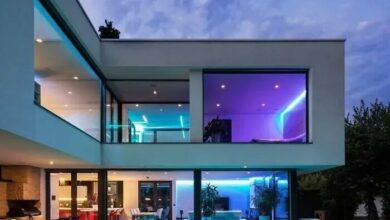
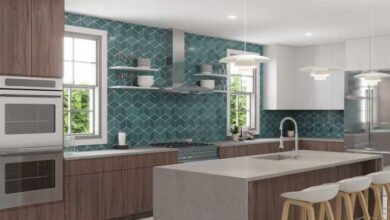
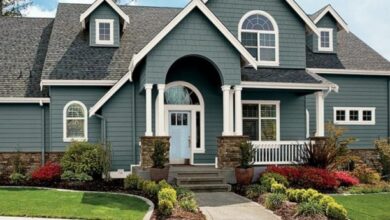
Modern House Exterior Styles
Modern house exteriors are characterized by their innovative designs, diverse materials, and harmonious integration with their surroundings. These styles reflect contemporary living, emphasizing functionality, aesthetics, and sustainability. A closer look at modern house exterior styles reveals how architectural trends adapt to the desires of homeowners while considering environmental factors.
Varieties of Modern House Exterior Styles
Modern house exterior styles can be broadly categorized into minimalist, industrial, and contemporary designs, each offering its unique flair.




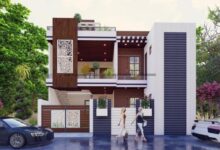

- Minimalist: This style emphasizes simplicity and clean lines, often utilizing a limited color palette and open spaces. The focus is on functional living, making the space feel larger and more inviting.
- Industrial: Featuring raw materials such as exposed brick, steel, and concrete, industrial-style homes offer an urban aesthetic that is both rugged and sophisticated. This style often includes large, factory-style windows that allow natural light to flood in.
- Contemporary: Contemporary design is constantly evolving, incorporating elements from various styles to create a unique, cohesive look. Typical features include asymmetrical shapes, large glass panels, and sustainable materials.
Common Materials in Modern Home Exteriors
The choice of materials greatly influences the aesthetic and functional aspects of modern house exteriors. Homeowners often opt for materials that not only look appealing but also provide durability and energy efficiency.
- Wood: Known for its warmth and versatility, wood is a popular choice. It can be used as siding or decorative elements, providing a natural feel that blends well with landscaping.
- Glass: Used extensively in contemporary designs, glass adds an airy quality to homes and creates a seamless connection between indoor and outdoor spaces. Large windows and sliding doors are common features.
- Metal: Metals such as aluminum and steel are favored for their modern aesthetic and longevity. They are often used in roofing, siding, and structural features, contributing to a sleek and polished look.
Influence of Landscape and Environment on Design
The surrounding landscape and environment play a crucial role in shaping modern house exterior designs. Architects consider factors such as climate, geography, and local flora when designing exteriors to create harmonious and sustainable homes.
- Climate Adaptability: Houses in warmer climates often feature overhangs for shade, whereas those in cooler areas may incorporate elements that enhance heat retention.
- Integration with Nature: Modern designs often include large windows and outdoor living spaces that encourage interaction with nature. Homeowners may choose materials and colors that complement nearby vegetation.
- Topography Consideration: The slope and layout of the land influence the structure’s orientation and design. Elevated homes may feature terraces or decks to maximize views, while homes on flat land often utilize landscaping to create visual interest.
Modern house exteriors exemplify the balance between aesthetics and functionality, seamlessly merging with their natural surroundings.
Color Schemes in Modern Exteriors
Modern house exteriors utilize color schemes that not only accentuate architectural features but also create a striking visual impact. The right palette can enhance the overall aesthetic appeal and help a home stand out within its environment. Choosing the appropriate colors can transform a simple design into an elegant masterpiece.The impact of color on the visual perception of a home is profound.
Colors can evoke emotions, influence the ambiance, and alter the viewer’s experience. Lighter shades tend to make a structure appear more spacious and airy, while darker tones often convey sophistication and intimacy. A well-planned color scheme can harmonize the building with its surroundings, making it look contemporary yet timeless.
Popular Color Palettes for Modern Homes
Several color combinations have emerged as favorites among homeowners and designers alike, often reflecting the principles of modern design. These palettes can create sophisticated looks that enhance a home’s exterior while providing a sense of cohesion with the landscape.Below are some popular color schemes that can elevate modern house designs:
- Monochromatic Neutrals: Shades of white, gray, and black create a minimalist look. This palette emphasizes texture and form, allowing architectural elements to shine.
- Earthy Tones: Warm browns and greens can create a harmonious connection to nature. This palette is perfect for homes surrounded by trees and landscapes.
- Bold Contrasts: Pairing dark colors like navy or charcoal with bright accents such as yellow or orange adds energy and vibrancy.
- Soft Pastels: Light blues, soft pinks, and mint greens evoke a sense of calm and serenity, often used in coastal or beachside homes.
- Classic Black and White: This timeless combination offers elegance and sophistication, often used in modern and traditional designs alike.
When selecting colors for modern exteriors, it’s essential to consider the overall design style and the surrounding environment. Each of these palettes can create distinct moods and impacts, contributing to the overall visual narrative of the home.
The right color choice can elevate a modern home from ordinary to extraordinary, blending seamlessly with its environment while making a personal statement.
Landscaping and Outdoor Features
Landscaping plays an integral role in enhancing the aesthetic appeal and functionality of modern house exteriors. By thoughtfully integrating native plants and green spaces, homeowners can create a harmonious environment that complements their architectural choices. A well-designed landscape not only accentuates the modern lines of a home but also promotes a sense of tranquility and connection to nature.In modern home designs, landscaping is not merely decorative; it serves practical purposes as well.
Native plants are particularly valuable as they require less water and maintenance, making them an eco-friendly option. These plants also support local wildlife and contribute to the overall sustainability of the property. Moreover, incorporating green spaces such as gardens and lawns can provide essential outdoor areas for relaxation and recreation, further enhancing the lifestyle of the residents.
Outdoor Features Harmonizing with Modern Designs
Selecting the right outdoor features is crucial in complementing modern house exteriors. Various elements can enhance outdoor living spaces, creating a seamless transition between indoors and outdoors. Below is a table showcasing popular outdoor features that harmonize beautifully with modern architecture.
| Feature | Description |
|---|---|
| Patios | Stylish paved areas that serve as outdoor living rooms, ideal for entertaining or relaxing. |
| Decks | Elevated platforms that provide an unobstructed view of the surroundings, perfect for enjoying nature. |
| Pools | Modern pools can be designed with sleek lines and eco-friendly features to enhance outdoor aesthetics. |
| Fire Pits | A cozy outdoor feature that extends usability into the evenings, creating a gathering space for family and friends. |
| Outdoor Kitchens | Fully equipped spaces for cooking and dining outside, promoting an enjoyable alfresco lifestyle. |
Sustainable landscaping practices are essential in modern home designs, as they ensure that the natural environment is respected and preserved. Implementing eco-friendly techniques such as rainwater harvesting, xeriscaping, and using organic fertilizers can significantly reduce the environmental footprint of a property. Planning landscapes that include permeable paving and native flora not only minimizes maintenance but also enhances biodiversity.
“Incorporating sustainable landscaping practices not only elevates the beauty of modern homes but also contributes positively to the environment.”
Lighting in Modern Home Exteriors
Outdoor lighting plays a crucial role in both enhancing the aesthetics of modern homes and ensuring safety during nighttime. Thoughtfully designed lighting can accentuate architectural features, create inviting atmospheres, and improve visibility around the property. As modern homes often emphasize sleek lines and minimalist designs, the right lighting can be the perfect finishing touch that elevates the overall look and feel of the exterior.
Proper outdoor lighting not only contributes to the beauty of a property but also serves practical purposes. It deters intruders by illuminating dark areas, enhances the usability of outdoor spaces, and creates a welcoming environment for guests. Modern lighting fixtures are available in a variety of styles, allowing homeowners to choose options that complement their home’s architecture and landscaping.
Types of Lighting Fixtures for Modern Exteriors
When selecting lighting fixtures for modern home exteriors, it’s essential to consider both form and function. Here are various types of lighting fixtures that are particularly suitable for modern designs:
- Wall sconces: Mounted on exterior walls, these fixtures can illuminate entryways and patios while adding a stylish touch.
- Pendant lights: Ideal for covered porches or outdoor dining areas, pendant lights can create a focal point and enhance ambiance.
- Recessed lighting: Installed into overhangs or walls, recessed lights offer a sleek and unobtrusive way to highlight pathways and architectural details.
- Post lights: These fixtures are perfect for illuminating driveways and gardens, providing both safety and style.
- Spotlights: Used strategically to highlight specific landscaping features or architectural elements, spotlights can create dramatic effects at night.
Strategic Placement of Outdoor Lighting
To maximize the impact of outdoor lighting, strategic placement is key. Properly positioned lighting can highlight the unique features of a modern home while also enhancing safety. Here are guidelines for placing outdoor lighting effectively:
- Highlight architectural features: Position spotlights or floodlights to illuminate unique design elements, such as textured walls or interesting rooflines. This draws attention and adds depth to the exterior.
- Illuminating pathways: Use low-level fixtures along walkways to ensure safe navigation while creating an inviting path to your home.
- Focal points in landscaping: Place lighting near trees, sculptures, or water features to draw attention and create a magical atmosphere in the garden.
- Entryways: Install wall sconces or pendant lights near doors to provide visibility and warmth, making guests feel welcomed.
- Balanced lighting: Aim to distribute light evenly across the property to avoid overly bright spots or dark areas, ensuring a harmonious and safe environment.
Strategic lighting not only enhances beauty but also brings safety and functionality to outdoor spaces.
Incorporating outdoor lighting effectively transforms modern home exteriors into stunning, safe, and inviting spaces, showcasing the home’s design while providing practical benefits.
Architectural Elements and Innovations
Source: quotefancy.com
Modern house exteriors are characterized by distinctive architectural elements and innovative technologies that not only define their aesthetic appeal but also enhance functionality and sustainability. As architecture continues to evolve, new materials and techniques are reshaping how we approach home design, paving the way for a more environmentally conscious and aesthetically pleasing future.Key architectural elements unique to modern house exteriors include flat roofs, expansive glass windows, and open space designs that foster a seamless connection between indoor and outdoor living.
These features not only provide a sleek, contemporary look but also maximize natural light and enhance ventilation within the home.
Distinctive Architectural Features
The following architectural elements are pivotal in defining modern house exteriors:
- Flat Roofs: Flat roofs are a signature element of modern architecture, providing a minimalist look and allowing for versatile rooftop spaces that can be utilized for gardens or leisure areas.
- Large Windows: Expansive windows create an open and airy feel, offering unobstructed views of the surroundings and allowing natural light to flood the interiors.
- Open Floor Plans: The integration of open spaces encourages flexibility in usage, making the living areas multifunctional while promoting a sense of community among occupants.
- Mixed Materials: Modern designs often incorporate various materials such as wood, metal, and glass, creating a dynamic and visually engaging facade that reflects the homeowner’s personality.
- Geometric Shapes: Bold geometric forms are prevalent in modern architecture, contributing to a striking visual profile and emphasizing clean lines.
Innovative Building Technologies
Innovative technologies are profoundly influencing modern exterior designs, leading to enhanced energy efficiency and sustainability. Here are key innovations that are shaping today’s architectural landscape:
- Smart Glass: This technology allows windows to adjust their tint based on sunlight exposure, helping to regulate indoor temperatures and reduce energy consumption.
- 3D Printing: The advent of 3D printing in construction enables builders to create customized elements and structures more efficiently, reducing waste and labor costs.
- Green Roof Systems: These systems support vegetation growth on rooftops, improving insulation while contributing to biodiversity and reducing stormwater runoff.
- Sustainable Insulation Materials: Innovative insulation materials such as sheep’s wool and recycled denim are being used to enhance thermal performance and reduce environmental impact.
Sustainable Materials in Modern Architecture
Incorporating sustainable materials into modern architecture is essential for promoting environmental responsibility. The following materials are noteworthy for their eco-friendly properties:
- Reclaimed Wood: Utilizing reclaimed wood in construction not only adds character to a modern home but also reduces the demand for new lumber, making it a sustainable choice.
- Recycled Metal: Metals such as aluminum and steel can be sourced from recycled products, offering durability and reducing the environmental footprint.
- Concrete Alternatives: Innovative alternatives to traditional concrete, such as hempcrete and rammed earth, are gaining popularity for their lower carbon emissions and higher thermal efficiency.
- Natural Fiber Composites: Materials derived from natural fibers, like bamboo or flax, are becoming favored for their strength and sustainability in various applications.
Embracing innovative architectural elements and sustainable materials is key to creating modern homes that are not just visually appealing but also environmentally responsible.
Trends in Modern House Exteriors
Source: quotefancy.com
As the landscape of home design evolves, modern house exteriors are embracing innovative approaches that blend aesthetics with functionality. Current trends emphasize sustainability, smart technologies, and unique design elements, reflecting a forward-thinking attitude among homeowners. These trends are not only visually appealing but also enhance the overall efficiency and comfort of living spaces.Modern exterior design is increasingly leaning towards eco-friendly practices, such as the use of sustainable materials and energy-efficient technologies.
Homeowners are opting for alternatives that reduce their environmental footprint while maintaining aesthetic appeal. Moreover, the integration of smart home technologies is transforming how exteriors function, providing convenience and enhancing security.
Emerging Design Features
The following list highlights several innovative features that are gaining popularity in modern home exteriors. These elements are not just trends; they represent a shift towards more sustainable and technologically advanced living.
- Green Roofs: These roofs not only improve insulation but also support biodiversity, helping to mitigate urban heat effects.
- Solar Panels: Increasingly integrated into designs, solar panels allow homeowners to harness renewable energy directly from their rooftops.
- Smart Lighting Systems: These systems can be programmed and controlled remotely, adding convenience and energy efficiency.
- Recycled Materials: The use of reclaimed wood and recycled metal not only promotes sustainability but also adds character to modern exteriors.
- Large Windows: Expansive windows enhance natural light and provide breathtaking views, creating an inviting ambiance.
- Minimalist Design: Clean lines and uncluttered aesthetics are becoming synonymous with modern homes, emphasizing simplicity and elegance.
- Outdoor Living Spaces: Patios, decks, and outdoor kitchens are being designed as extensions of the home, promoting a seamless transition between indoor and outdoor environments.
- Smart Security Features: Advanced security systems, including cameras and smart locks, are integrated into the exterior design for enhanced safety.
The blend of traditional materials with modern alternatives is also notable in current trends. While brick and wood remain staples, innovative materials like fiber cement and aluminum are being embraced for their durability and low maintenance. This evolution not only caters to design preferences but also aligns with a growing emphasis on sustainability.In summary, the modern house exterior is characterized by a fusion of functionality, sustainability, and innovative design.
Homeowners are increasingly prioritizing features that enhance their living experience while also caring for the environment, making modern exteriors a reflection of contemporary values.
Maintenance of Modern Exteriors
Source: quotefancy.com
Maintaining the exteriors of modern houses is crucial for preserving their aesthetic appeal and structural integrity. With various materials commonly used in contemporary designs, each necessitates specific care and attention to ensure longevity and prevent deterioration. Regular upkeep not only enhances the visual charm of a home but also safeguards its value.Regular inspections and maintenance practices play a vital role in extending the life of exterior materials.
These activities help identify potential issues before they escalate into significant problems, which can be costly and disruptive. It’s essential to understand how to care for each type of material, as they have unique maintenance requirements.
Guidelines for Maintaining Various Exterior Materials
Different materials used in modern exteriors, such as glass, metal, wood, and concrete, require tailored maintenance approaches. The following guidelines provide a clear understanding of how to care for these surfaces effectively.
- Glass: Use a soft, non-abrasive cloth and a mild cleaning solution to remove dust and smudges. Regular cleaning helps maintain transparency and prevent mineral deposits from forming.
- Metal: For materials like aluminum or stainless steel, periodic washing with soapy water is essential. To prevent rust, ensure that any scratches or chips in the paint are promptly touched up.
- Wood: Wooden exteriors should be treated with a weatherproof sealant every few years. Regular inspections for signs of rot or insect damage are critical; any issues should be addressed immediately.
- Concrete: Clean concrete surfaces with a pressure washer to remove dirt and stains. Sealing concrete can protect it from moisture and enhance durability.
“Regular maintenance not only enhances the aesthetic appeal of a modern home but also significantly extends the lifespan of its exterior materials.”
Importance of Regular Inspections and Upkeep
Conducting regular inspections helps in identifying wear and tear that could lead to more severe problems if left unchecked. Homeowners should establish a seasonal maintenance schedule that includes checking for cracks, peeling paint, and signs of mold or mildew.
- Inspect gutters and downspouts to ensure they are clear of debris, allowing for proper drainage.
- Check the seals around windows and doors for signs of wear, as compromised seals can lead to energy loss.
- Look for any shifting or settling around the foundation, which may indicate potential structural issues.
“A proactive approach to maintenance can prevent minor issues from developing into major repairs, preserving both beauty and value.”
Best Practices for Cleaning and Repairing Common Exterior Materials, Modern house exterior
Maintaining clean and well-kept exteriors requires following best practices for specific materials. Utilizing appropriate cleaning methods and understanding repair techniques are essential for effective upkeep.
- Cleaning: Always use gentle cleaning agents that won’t damage the surface. For instance, vinegar mixed with water can effectively clean glass without streaks.
- Repairing Glass: Small chips can often be repaired with resin kits, while larger cracks may necessitate professional replacement to maintain safety.
- Repairing Metal: For minor scratches, touch-up paint can restore the finish, while more significant corrosion may require sanding and refinishing.
- Repairing Wood: In case of rot, remove the damaged sections and fill in with wood filler. Sand and repaint to match the surrounding area.
“Proper care and timely repairs are key to sustaining the allure and functionality of modern home exteriors.”
Final Conclusion
In summary, the modern house exterior represents not just a trend, but a movement towards more thoughtful and sustainable living. By embracing innovative materials, eco-friendly practices, and design trends that harmonize with nature, homeowners can create spaces that are both beautiful and functional. As we look ahead, the evolution of modern exteriors promises to inspire future generations in their quest for stylish and sustainable homes.
FAQ Overview: Modern House Exterior
What are the key features of modern house exteriors?
Modern house exteriors typically feature flat roofs, large windows, open spaces, and the use of materials like metal, glass, and wood.
How can color influence the perception of modern exteriors?
Color can significantly affect the visual perception and ambiance, making spaces feel more inviting or spacious depending on the chosen palette.
What landscaping elements complement modern house designs?
Landscaping that incorporates native plants, green spaces, and outdoor features like patios and pools can beautifully complement modern designs.
Why is sustainable landscaping important?
Sustainable landscaping practices help reduce environmental impact, promote biodiversity, and enhance the overall aesthetic of modern homes.
How do I maintain modern house exteriors?
Regular inspections, appropriate cleaning methods for different materials, and timely repairs are essential for maintaining modern house exteriors.